Breakfast Finger Food Ideas: Sweet & Savory Options
Breakfast finger food encompasses portable, handheld morning meal options designed for consumption without utensils, plates, or seated dining arrangements. These bite-sized breakfast items - including mini muffins, egg cups, breakfast sliders, French toast sticks, and savory frittatas - solve logistical challenges inherent in catering corporate events, wedding brunches, conference breakfasts, and large-scale morning functions across Australia.
The category distinguishes itself through:
- Structural integrity that maintains shape during transport
- Temperature stability allowing room-temperature service for 1-2 hours within food safety guidelines
- Portion control delivering consistent serving sizes across guest counts ranging from 20 to 500+ attendees
Caterking.com.au specializes inbreakfast finger food catering solutions that balance convenience with quality, offering both sweet options like chocolate chip muffins and banana bread bites alongside savory selections, including bacon-wrapped egg cups and mini quiche variations.
What Defines Breakfast Finger Food in Professional Catering?
Breakfast finger food in professional catering contexts represents a distinct category of morning service items engineered for single-hand consumption, eliminating the operational complexity and equipment requirements of traditional plated breakfast service.
Unlike standard breakfast offerings requiring cutlery, china, and formal table settings, finger foods operate within a self-contained structural framework - each piece functions as an independent serving unit.
What Makes Breakfast Finger Food Structurally Different from Regular Breakfast Items?
The architectural design of successful breakfast finger foods centers on structural cohesion under transport stress and temperature fluctuation.
Key structural elements include:
- Mini frittatas maintain their cupcake-shaped form when removed from baking vessels due to protein coagulation in eggs, binding vegetable and meat inclusions
- Breakfast bars achieve stability through the interaction of oats with binding agents like mashed banana, honey, or nut butters, creating a matrix that resists crumbling during handling
- Baked goods use proper flour-to-fat ratio,s ensuring items hold shape without support structures
This structural integrity proves critical in catering scenarios where food travels from the kitchen to the venue, sits in warming trays or ambient conditions, and endures guest handling.
How Does Temperature Tolerance Affect Breakfast Finger Food Selection?
Temperature tolerance separates finger foods from temperature-sensitive breakfast items.
Temperature performance factors:
- Hard-boiled eggs retain food safety and palatability for 2 hours at room temperature (below 32°C), meeting Australian food safety standards for buffet service
- Scones, muffins, and breakfast cookies maintain textural quality without reheating equipment
- Traditional scrambled eggs, pancakes, and hot breakfast proteins deteriorate rapidly outside optimal serving temperatures, requiring chafing dishes and consistent heat sources
Why Does Portion Standardization Matter for Breakfast Finger Food Catering?
Portion standardization emerges inherently through finger food formats, allowing caterers to calculate food quantities with precision.
Standard portion sizes:
- Each muffin delivers approximately 150-200 calories
- Each egg bite provides 60-80 calories
- Each mini slider contains 120-150 calories
For a 100-person corporate breakfast requiring 400-500 total pieces (4-5 per person), the exact mix of sweet and savory items can be predetermined based on client preferences and dietary requirements without the variability inherent in scooping, plating, or carving larger breakfast preparations. Understandinghow many finger foods per person to serve ensures accurate quantity planning.
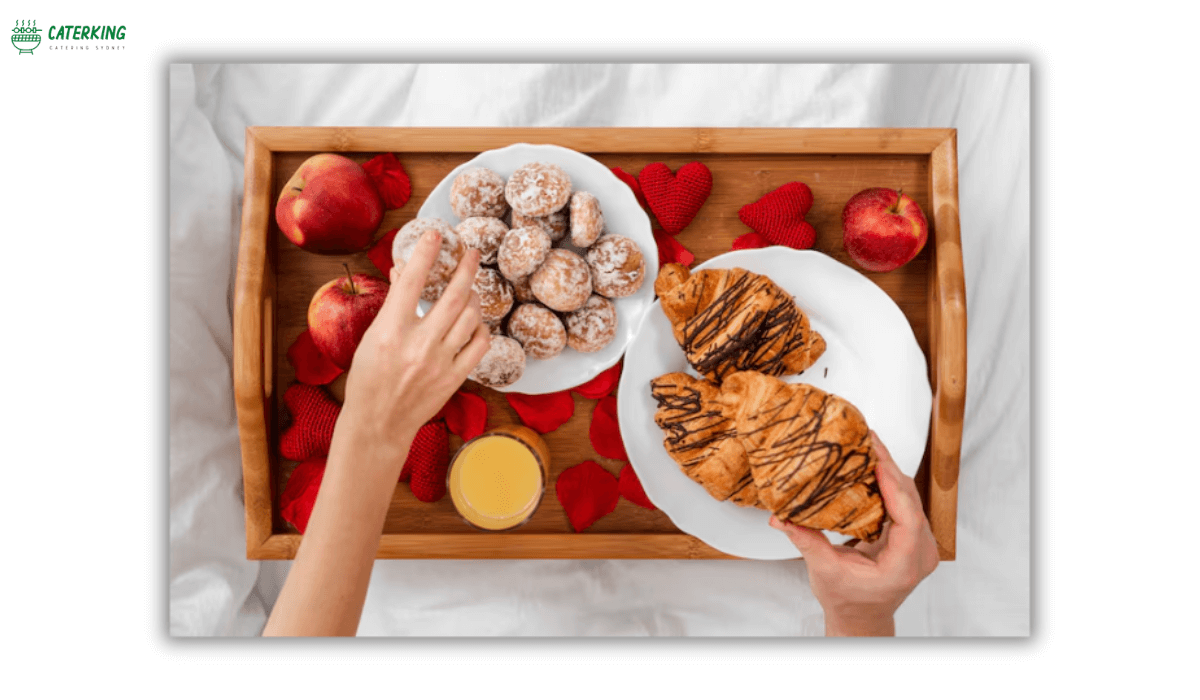
Why Do Caterers Choose Breakfast Finger Food Over Traditional Breakfast Service?
Caterers select breakfast finger food formats over traditional sit-down breakfast service due to operational efficiency gains, cost reduction opportunities, and enhanced guest experience factors that align with contemporary event requirements and budget constraints.
How Does Breakfast Finger Food Reduce Labor Costs?
Finger food service eliminates front-of-house staff requirements associated with plated breakfast service.
Labor comparison:
- Traditional breakfast catering demands servers for plating, table service, refills, and dish clearing - typically 1 server per 15-20 guests for quality service
- A 200-person breakfast event using traditional service requires 10-13 servers plus kitchen staff
- Finger food buffet service reduces this to 2-3 attendants managing buffet replenishment and general guest assistance
- Result: 70-80% reduction in service labor costs
The savings translate directly to client value or improved profit margins for catering operations.
What Equipment Does Breakfast Finger Food Service Eliminate?
Traditional breakfast service necessitates tables, chairs, china, glassware, flatware, and often linen rentals.
Equipment requirements comparison:
Traditional service (150 people):
- 15-20 tables with chairs (8-10 per table)
- 150 place settings including plates, coffee cups, saucers, cutlery sets, and napkins
- Linen rentals for table coverage
Finger food service (150 people):
- Cocktail tables or standing areas only
- Disposable or minimal serviceware
- Beverage stations
- Savings: 60-75% reduction in equipment rental costs
This equipment reduction also expands venue options, allowing breakfast events in locations without formal dining infrastructure like gallery spaces, outdoor areas, or office conference rooms.
How Long Can Breakfast Finger Food Maintain Quality During Service?
Traditional hot breakfast items - scrambled eggs, bacon, sausages, pancakes - maintain optimal quality for narrow service windows, typically 20-30 minutes before textural and flavor degradation occurs.
This timing constraint forces compressed guest arrival windows or requires continuous cooking and plating throughout service periods.
Breakfast finger foods maintain quality for 90-120 minutes at room temperature, accommodating staggered guest arrivals common at networking breakfasts, conference morning sessions, or open-house style events without food waste or quality compromise.
How Does Breakfast Finger Food Accommodate Dietary Requirements Better?
Finger food formats enable clearer dietary labeling and variety selection.
Dietary accommodation advantages:
- Guests with gluten sensitivities, dairy restrictions, or vegan requirements can visually identify suitable options through clear buffet signage
- No server consultations required about plated meal components
- A finger food breakfast spread typically offers 6-10 distinct items
- Guests can sample multiple options and customize portions based on appetite and preference
- Impossible with pre-plated single-entrée service models
How Should Caterers Calculate Breakfast Finger Food Quantities?
Calculating breakfast finger food quantities for catering events requires systematic analysis of guest count, event duration, timing within daily schedules, and demographic composition to prevent both shortages and excessive waste.
What Is the Base Quantity Formula for Breakfast Finger Food?
For corporate breakfast meetings, brunches, or morning receptions, the foundational calculation allocates 4-5 finger food pieces per person for events running 60-90 minutes.
Quantity adjustments by event type:
- Primary morning meal (8:00-10:00 AM service): 4-5 pieces per person
- Mid-morning snacking (10:30 AM onwards): 2-3 pieces per person
- Extended events (2+ hours): Increase baseline by 20-30%
Example calculation: A 75-person corporate breakfast requires 300-375 total pieces across all items offered. A 100-person conference break needs 200-300 pieces.
What Sweet-to-Savory Ratio Should Breakfast Finger Food Menus Use?
Australian breakfast preferences trend toward 60% sweet and 40% savory finger food selections, though this ratio varies by event demographics and timing.
Ratio adjustments by event type:
- Corporate professional events (8:00-9:00 AM): 50/50 or 45% sweet/55% savory - attendees seek protein-rich, less sugary options before work activities
- Weekend brunches and social gatherings: 65% sweet/35% savory - guests prefer muffins, scones, and pastries in relaxed settings
- Events with younger attendees (under 40): Standard 60/40 sweet-favoring ratios
- Events with older attendees (50+): 50/50 or slightly savory-dominant mixes as dietary consciousness increases
- Children-present events: 70% sweet allocations with smaller portion sizes
How Should Breakfast Finger Food Quantities Be Distributed Across Items?
Distribute total quantity requirements across 5-7 distinct items to provide variety while maintaining production efficiency.
Example distribution for 200 people (900 total pieces at 4.5 per person):
- Mini muffins (chocolate chip): 180 pieces (20%)
- Mini muffins (blueberry): 180 pieces (20%)
- Egg bites (bacon and cheese): 160 pieces (18%)
- Breakfast sliders: 140 pieces (16%)
- Scones with jam: 120 pieces (13%)
- French toast sticks: 120 pieces (13%)
This distribution ensures no single item dominates while providing sufficient quantity of popular selections. Avoid spreading quantities too thin across 10+ items, which creates logistical complexity and increases likelihood of individual item shortages.
What Buffer Stock Should Caterers Maintain for Breakfast Finger Food?
Professional catering operations maintain 10-15% buffer quantities above calculated requirements.
Buffer planning:
- For a 150-person event requiring 675 pieces (4.5 per person), prepare 740-775 total pieces
- Buffer accommodates unexpectedly high consumption, last-minute guest additions, or quality control removals
- Shelf-stable items like muffins and breakfast bars with multi-day freshness periods present low financial risk for buffering
- Perishable items require more conservative overage percentages
What Are the Most Popular Sweet Breakfast Finger Food Options?
Sweet breakfast finger food options blend indulgent flavors with practical portability, featuring baked goods that deliver morning energy through controlled sugar content, whole grain inclusions, and fruit-based natural sweeteners rather than processed ingredients.
Which Mini Muffin Flavors Work Best for Breakfast Finger Food Catering?
Mini muffins dominate sweet breakfast finger food categories due to universal appeal, scalable production methods, and 3-5 day room-temperature shelf life when properly stored.
Top-performing mini muffin varieties:
Chocolate chip muffins:
- Use semi-sweet or dark chocolate chips providing antioxidant polyphenols alongside sweetness
- Appeal to guests seeking familiar comfort flavors
- Standard recipes yield 40-48 mini muffins from single batches using 12-cup mini muffin tins
- Baking time: 10-12 minutes at 180°C (versus 18-22 minutes for full-sized versions)
Blueberry muffins:
- Incorporate fresh or frozen berries providing anthocyanins and vitamin C
- Maintain structural integrity during baking
- Key technique: Toss berries in flour before folding into batter, preventing sinking to muffin bottoms
Banana muffins:
- Utilize overripe bananas (brown-spotted skins) for natural sweetness and moisture
- Reduce refined sugar requirements by 30-40% while adding potassium content
- Mashed banana acts as binding agent, creating tender crumb structure
Lemon poppy seed muffins:
- Introduce citrus brightness suitable for spring and summer events
- Use fresh lemon zest rather than extract for aromatic intensity
Bran muffins with raisins:
- Provide fiber content appealing to health-conscious guests
- Maintain the comforting sweetness expected in breakfast contexts
How Should Scones Be Served as Breakfast Finger Food?
Traditional Australian scones serve as versatile sweet finger food, particularly when proportioned to 4-5cm diameter sizes consumable in 3-4 bites.
Service strategies:
Accompaniment stations:
- Plain scones accommodate diverse topping preferences through stations featuring strawberry jam, raspberry preserves, lemon curd, and whipped cream or clotted cream
- Customization allows individual guests to control sweetness levels
- Creates interactive buffet engagement
Fruit-studded variations:
- Cranberry-orange scones integrate sweetness directly into the baked product
- Apple-cinnamon scones suitable for events where individual topping service proves logistically complex
Technical considerations:
- Achieving flaky layers requires avoiding overworking dough
- 5-6 gentle folds create lamination
- Excessive mixing develops gluten, resulting in dense rather than tender textures
What Makes French Toast Sticks Effective Breakfast Finger Food?
French toast sticks transform traditional breakfast into handheld format through precise cutting and coating procedures.
Preparation methodology:
Base construction:
- Thick-cut white bread (2.5cm slices) cut into 2cm wide strips
- Provides optimal surface area for egg custard absorption
- Maintains structural integrity during cooking
Custard ratio:
- 4 eggs to 1 cup full-cream milk
- 1 teaspoon vanilla extract
- 1/2 teaspoon cinnamon
- Creates coating that sets during pan-frying without excessive sogginess
Finishing technique:
- Immediate rolling in cinnamon-sugar mixture while sticks remain hot ensures adhesion
- Creates textured exterior contrasting with soft interior
Serving components:
- Dipping station accompaniments include pure maple syrup, berry compote, chocolate sauce, or salted caramel
- Presented in small individual cups preventing double-dipping concerns at buffet service
- Each guest receives 3-4 sticks with chosen dipping sauce for complete portion
What Nutritional Benefits Do Breakfast Cookies and Energy Bars Provide?
Breakfast cookies bridge the gap between indulgence and nutrition, incorporating oats, nuts, dried fruits, and natural sweeteners like dates, maple syrup, or honey.
Key differences from dessert cookies:
- Contain whole grain oats providing sustained energy release
- Include omega-3 rich nuts like almonds or walnuts
- Feature dried cranberries, apricots, or raisins for natural fruit sugars
- Complete make-ahead preparation possible
- 7-10 day shelf life in airtight containers
Nutritional profile:
- 150-200 calories per piece
- 4-6 grams protein from nut and oat content
- Natural sweeteners versus refined sugars
Granola bar advantages:
- Pressed into rectangular portions for increased portability
- Reduced crumbling compared to cookies
- Varieties include cherry granola bars, chocolate chip breakfast bars, and peanut butter oat bars
What Are the Most Effective Savory Breakfast Finger Food Selections?
Savory breakfast finger food options deliver protein content, vegetable inclusions, and complex flavor profiles that satisfy guests seeking substantial morning nutrition rather than sweet indulgences, particularly at corporate events and professional functions.
What's the Difference Between Mini Quiches and Frittata Cups for Breakfast Finger Food?
Mini quiches baked in muffin tins provide classic French breakfast elegance in portable format.
Mini quiche characteristics:
Standard composition:
- Eggs, cream, cheese, and fillings baked in pastry shells
- Creates self-contained servings with crispy exterior and custardy interior
- Requires pre-baking (blind baking) pastry shells to prevent soggy bottoms
Popular combinations:
- Quiche Lorraine (bacon and Gruyère)
- Spinach and feta
- Mushroom and Swiss cheese
- Caramelized onion with goat cheese
Frittata advantages:
- Omit pastry entirely, containing only egg-based filling in muffin cups
- Reduce preparation complexity
- Accommodate gluten-free requirements automatically
- Both formats maintain quality for 2-3 hours at room temperature
- Reheat successfully for catering operations requiring advance preparation
Standard proportions for 24 mini quiches/frittatas:
- 8 eggs
- 1 cup cream
- 1.5 cups cheese
- 2 cups total fillings (cooked bacon, vegetables, herbs)
- Baking at 180°C for 18-22 minutes until centers set but retain slight jiggle
How Are Egg Bites Different from Regular Breakfast Finger Food?
Egg bites, popularized by coffee chains but easily replicated in catering contexts, feature whipped egg mixtures with cream cheese or cottage cheese creating silky, soufflé-like texture.
Preparation techniques:
- Sous-vide cooking method employed commercially can be approximated in conventional ovens
- Use water baths and careful temperature control (160°C)
- Gentle whisking rather than vigorous beating prevents large air bubbles creating uneven texture
- Add 2-3 tablespoons cream cheese per 6 eggs for signature creamy consistency
Popular flavor combinations:
- Bacon and Gruyère: Crispy bacon pieces with nutty Swiss cheese
- Spinach and feta: Mediterranean flavors with wilted spinach and tangy cheese
- Red pepper and cheddar: Color contrast and sweet-savory balance
Nutritional profile:
- Each 60-80 calorie bite delivers 6-8 grams protein
- Suitable for fitness-conscious attendees or events where protein content is prioritized
How Should Breakfast Sliders Be Constructed for Catering Events?
Breakfast sliders transform traditional breakfast sandwiches into finger-friendly portions using Hawaiian sweet rolls as base.
Standard construction:
Layer components:
- Scrambled eggs
- Breakfast protein (bacon, sausage, or ham)
- Melted cheese between halved mini rolls
- Often finished with maple butter glaze adding sweet-savory complexity
Production efficiency through sheet-pan methodology:
- Arrange 12 connected Hawaiian rolls on baking sheet
- Slice horizontally as single unit
- Layer all fillings across bottom half
- Add top half
- Slice into individual portions after baking
This assembly-line approach produces 12 uniform sliders in the time traditional methods create 3-4 individual sandwiches.
Maple butter glaze technique:
- Melted butter combined with maple syrup
- Often with added Dijon mustard for complexity
- Brushed over assembled sliders before final baking
- Creates caramelized top surface and binds components together
- Bake covered with foil at 175°C for 20 minutes, then uncovered for 5 minutes
What Makes Hash Brown Cups Versatile Breakfast Finger Food?
Hash brown cups utilize shredded potato pressed into muffin tins, baked until crispy, creating edible vessels for scrambled eggs, cheese, bacon bits, or other breakfast toppings.
Key advantages:
- Provide gluten-free base accommodating dietary restrictions
- Deliver familiar comfort food appeal
- Create interactive serving format
Technical execution:
Preparation steps:
- Remove moisture thoroughly from shredded potatoes through squeezing in clean kitchen towels
- Mix with binding agents (egg and small amount of flour or cornstarch)
- Press potato mixture firmly into greased muffin cups
- Bake at 200°C for 25-30 minutes creating structural integrity
- Fill baked cups with toppings just before service to maintain cup crispness and prevent sogginess
Topping variations:
- Scrambled eggs with chives
- Sour cream with bacon bits
- Cheese sauce with jalapeños for spice-tolerant groups
- Each cup delivers satisfying crunch and familiar breakfast flavors in convenient handheld format
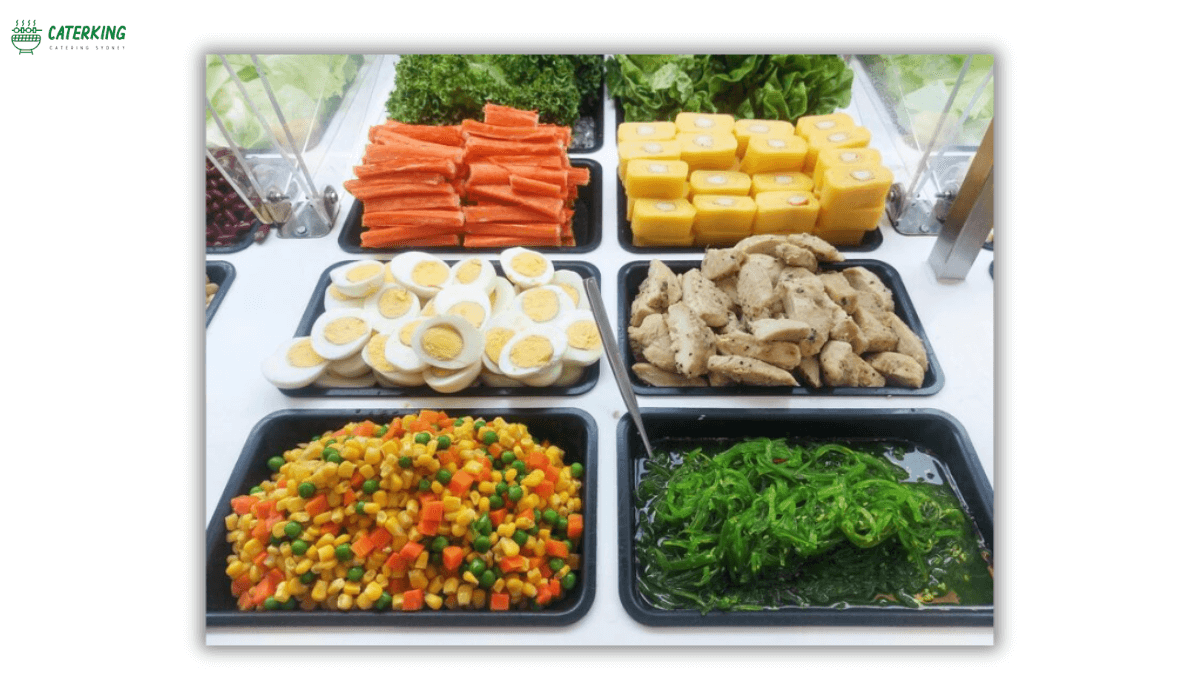
How Do Professional Caterers Manage Make-Ahead Preparation for Breakfast Finger Foods?
Professional caterers implement systematic make-ahead preparation protocols for breakfast finger foods, optimizing kitchen efficiency, labor distribution, and food quality through strategic timing of production, storage, and reheating procedures.
Which Breakfast Finger Foods Are Freezer-Friendly?
Baked breakfast items including muffins, scones, breakfast cookies, and quick breads tolerate freezing exceptionally well when properly wrapped and stored.
Freezer storage protocols:
Baked goods (2-3 month freezer life):
- Immediately after baking and cooling to room temperature, wrap individual pieces in plastic wrap
- Group in freezer-safe bags labeled with contents and date
- Store at -18°C or below
Egg-based items (1 month maximum):
- Mini quiches, frittatas, and egg bites freeze successfully
- Shorter timeline reflects textural changes with extended freezing
- Some weeping or slight rubbery texture develops beyond 4-6 weeks
- Freeze in single layers on baking sheets until solid, then transfer to freezer bags preventing pieces freezing together
Room-temperature storage items (7-10 days):
- Breakfast bars and granola-based items require no freezing
- Store in airtight containers at room temperature
- Extended shelf life ideal for production 1 week before events
- Frees freezer space for items requiring frozen storage
What Production Schedule Works Best for Large Breakfast Finger Food Events?
For large catering events (100+ guests), implement staggered production schedules distributing labor across multiple days rather than concentrating all preparation immediately pre-event.
Example timeline for 200-person breakfast requiring 900 pieces:
Day 7-10 before event:
- Produce and freeze all muffins and scones (360 pieces total)
Day 5-7 before event:
- Produce and freeze egg-based items (300 pieces)
Day 3-4 before event:
- Produce breakfast bars and cookies requiring no freezing (120 pieces)
Day 1 before event:
- Produce items requiring freshness like fruit skewers or items intolerant to freezing (120 pieces)
Event morning:
- Thaw and reheat frozen items
- Final assembly of component-based items
This scheduling prevents last-minute rushing while ensuring all items achieve optimal quality at service time.
How Should Frozen Breakfast Finger Food Be Thawed and Reheated?
Frozen breakfast finger foods require proper thawing procedures preventing bacterial growth while restoring texture and temperature.
Safe thawing protocol:
- Transfer frozen items from freezer to refrigerator 12-18 hours before event day
- Allow gradual thawing at safe temperatures (below 5°C)
- Never thaw at room temperature (creates bacterial growth risk)
Reheating methodology:
Use ovens, not microwaves:
- Ovens provide even heating
- Microwaves create uneven heating and rubbery textures
Temperature and timing:
- Muffins and scones: 160°C for 12-15 minutes (warmed interiors with slightly crispy exteriors)
- Egg-based items: 175°C for 10-12 minutes covered with foil to prevent drying
- Tent aluminum foil loosely over items during reheating to retain moisture while allowing slight crisping
Batch reheating strategy:
- For service extending multiple hours, reheat items in batches
- Ensures continuous supply of fresh, warm options
- Prevents single large batch cooling over extended period
- Example: A 3-hour breakfast service uses 3-4 reheating batches maintaining optimal serving temperatures
What Quality Control Checks Should Apply to Breakfast Finger Food?
Implement visual and tactile quality checks on all items post-reheating.
Quality indicators:
Muffins:
- Should spring back when lightly pressed, indicating proper moisture retention
Egg items:
- Should smell fresh without sulfurous off-odors indicating overcooking
All items:
- Discard any pieces showing signs of excessive drying, burning, or compromised structural integrity
Temperature compliance:
- Maintain temperature logs for hot-held items
- Ensure compliance with food safety requirements (above 60°C for hot foods, below 5°C for cold items)
- Finger foods held in warming trays or at room temperature require consumption or discarding within 2-hour windows per Australian food safety standards
FAQs
Understanding common questions about breakfast finger food helps caterers, event planners, and hosts make informed decisions about menu selection, quantities, and service methods for successful morning events.
How Many Breakfast Finger Foods Should Be Served Per Person?
Serve 4-5 pieces per person for primary breakfast events (7:00-10:00 AM) running 60-90 minutes, providing 600-800 calories matching standard breakfast intake. Mid-morning refreshments require only 2-3 pieces per person, while extended 2+ hour events need 5-6 pieces. Active events require 6-7 pieces per person, supporting higher caloric expenditure.
What Is the Best Sweet-to-Savory Ratio for Breakfast Finger Food Buffets?
The baseline ratio is 60% sweet and 40% savory for general Australian audiences. Corporate professional events (8:00-9:30 AM) shift toward 50/50 or 45% sweet/55% savory, while weekend brunches favor 65-70% sweet. Events with attendees over 50 benefit from increased savory allocations, and children-present events require 70% sweet selections.
Can Breakfast Finger Foods Be Made Gluten-Free or Vegan?
Yes, through strategic substitutions. Gluten-free versions use almond, coconut, or rice flour with xanthan gum (1 teaspoon per cup) for binding. Vegan options replace eggs with flax eggs or aquafaba, dairy milk with plant alternatives, and butter with coconut oil. Professional caterers allocate 10-15% of quantities to clearly labeled dietary-specific options.
How Long Can Breakfast Finger Foods Sit Out at Room Temperature?
Items containing eggs, dairy, or meat proteins have a 2-hour maximum at room temperature (5°C-60°C) per Australian food safety standards. Plain muffins, scones with jam, granola bars, and breakfast cookies maintain safety for 4-6 hours below 25°C. Stagger buffet replenishment rather than displaying all items simultaneously for extended service periods.
What Are the Most Cost-Effective Breakfast Finger Food Options for Large Events?
Mini muffins ($0.17-0.25 per piece) and scones ($0.30-0.38 per piece) offer the best value, while egg bites cost $0.50-0.65 per piece. Combine 60-70% lower-cost items with 30-40% premium selections for variety while controlling costs. A 200-person event averages $1.58 per person in ingredients versus $8-12 for plated service.
Conclusion
Breakfast finger food catering delivers operational advantages, cost efficiencies, and guest satisfaction benefits, making it the preferred service model for contemporary morning events across corporate, social, and hospitality sectors in Australia.
The category's success stems from eliminating logistical complexity inherent in traditional plated breakfast service while maintaining - and often exceeding - quality expectations through diverse menu options spanning sweet indulgences and protein-rich savory selections.
Professional caterers implementing systematic quantity calculations, strategic make-ahead preparation protocols, and proper food safety compliance create memorable breakfast experiences accommodating diverse dietary requirements and event formats from intimate 20-person meetings to large-scale 500+ attendee conferences.
Caterking.com.au's expertise in
breakfast finger food catering ensures successful morning events through proven menu development, precise execution, and attentive service, delivering exceptional value for clients seeking professional
catering solutions.
Let Catering Sydney elevate your catering experience - Get in touch with us now!
You might also like