Halal Food Ideas: Menu and Recipe Guide for Australian Homes
Halal food ideas refer to meal suggestions and recipes that comply with Islamic dietary laws. Halal (permissible) food excludes pork and pork products, alcohol, and requires specific slaughter methods for meat. The flavor profiles of halal food span global cuisines including Middle Eastern, South Asian, Mediterranean, and Southeast Asian traditions, offering diverse options for everyday cooking and special occasions.
For comprehensive halal catering options, explore catering services that offer halal-certified menu selections across Australia.
KEY TAKEAWAYS
- Halal food follows Islamic dietary laws: prohibits pork, alcohol, and certain animal slaughter methods
- Australian supermarkets stock halal ingredients: chicken, beef, lamb from certified suppliers
- Flavor profiles mirror global cuisines: Middle Eastern, Asian, Mediterranean influences
- Meal prep suits halal cooking batch cooking aligns with halal meal planning
- Halal catering available in all major Australian cities from casual to formal events
What Makes Food Halal
Halal food follows Islamic dietary guidelines outlined in the Quran. Understanding these fundamentals helps home cooks prepare meals that meet halal requirements.

Core Halal Principles
Halal describes food and drink permitted under Islamic law. The opposite of halal is haraam (forbidden). Core halal principles determine which foods Muslims can consume.
Forbidden foods include: pork and all pork products (gelatin, lard, animal fat), animals not slaughtered properly according to Islamic method (dhabihah), blood and blood products, alcohol and intoxicants, carnivorous animals and birds of prey, and animals slaughtered in the name of anything other than Allah.
Permitted foods include: all vegetables and fruits, grains and legumes, fish with scales, poultry (chicken, duck, turkey) slaughtered properly, lamb, beef, goat, and game animals slaughtered properly, eggs and dairy from halal animals.
Meat preparation requires specific slaughter method. The animal must be alive and healthy at time of slaughter. A sharp knife cuts the throat in single motion, severing windpipe, jugular veins, and carotid arteries. The name of Allah is invoked during slaughter. Blood must drain completely before processing.
Halal Certification
Halal certification provides assurance that products meet Islamic requirements. Certified products display symbols from organizations including Halal Certification Authority (HCA), Australian Halal Certification Services (AHCS), and other recognized bodies.
Certified products undergo ingredient review, production process inspection, and ongoing monitoring. Certification covers not just meat but all ingredients including additives, flavorings, and processing aids.
Australian halal certification is recognized internationally. Products certified in Australia can be exported to Muslim-majority countries that accept Australian certification standards.
Easy Halal Recipe Ideas
These halal recipes provide practical options for everyday cooking. Each recipe uses ingredients readily available in Australian supermarkets.

Chicken Shawarma Bowl
Chicken shawarma bowl features spiced chicken with rice, vegetables, and tahini sauce. The dish represents Middle Eastern flavors adapted for halal cooking.
Ingredients: 600g chicken thigh fillets, 2 tablespoons shawarma spice, 1 tablespoon olive oil, 2 cups basmati rice, 1 cucumber diced, 2 tomatoes diced, 1 cup Greek yoghurt, 2 tablespoons tahini, 1 lemon juiced, fresh parsley.
Method: Marinate chicken with shawarma spice and olive oil for minimum 2 hours (overnight preferred). Cook rice according to package instructions. Mix yoghurt, tahini, and lemon juice for sauce. Grill or pan-fry chicken until charred and cooked through. Slice chicken. Assemble bowls with rice, chicken, vegetables. Drizzle with tahini sauce. Garnish with parsley.
Time: 30 minutes plus marinating
Serves: 4
Beef Rendang
Beef rendang is slow-cooked spiced coconut beef from Indonesian and Malaysian cuisine. The dish is naturally halal, featuring complex spices and rich coconut sauce.
Ingredients: 800g beef chuck sliced, 400ml coconut cream, 2 tablespoons curry powder, 1 teaspoon turmeric, 1 teaspoon chili flakes, 4 kaffir lime leaves, 1 lemongrass stalk, 2 cups jasmine rice, fresh coriander.
Method: Brown beef in batches. Add curry powder and turmeric, stirring to coat. Pour in coconut cream. Add kaffir lime leaves and bruised lemongrass. Simmer on low heat for 2 hours until sauce thickens and beef is tender. Cook rice. Serve rendang over rice with fresh coriander.
Time: 2.5 hours
Serves: 6
Lamb Biryani
Lamb biryani layers spiced rice with tender lamb, caramelized onions, and aromatic spices. The dish suits dinner occasions and celebrations.
Ingredients: 600g lamb pieces, 2 cups basmati rice, 2 onions sliced, 3 tablespoons biryani masala, 1 cup yoghurt, 1/2 cup milk, 2 tablespoons ghee, fresh mint, saffron strands (optional).
Method: Marinate lamb with biryani masala and yoghurt for 2 hours. Soak rice in salted water for 30 minutes. Fry onions until golden. Par-cook rice with whole spices (cardamom, cloves, cinnamon). Layer lamb, rice, and fried onions in heavy pot. Pour milk infused with saffron over top. Cover tightly and cook on low heat for 45 minutes. Rest 10 minutes before serving.
Time: 2 hours plus marinating
Serves: 6
Vegetable Korma
Vegetable korma is creamy, mildly spiced curry with mixed vegetables. The dish provides vegetarian halal option with rich flavor.
Ingredients: 2 cups mixed vegetables (cauliflower, peas, carrots, potatoes), 1 cup coconut milk, 2 tablespoons korma paste, 1 onion diced, 2 cloves garlic, 1 tablespoon vegetable oil, fresh coriander, basmati rice.
Method: Sauté onion and garlic until fragrant. Add korma paste and cook 2 minutes. Add vegetables and stir to coat. Pour in coconut milk. Simmer 20 minutes until vegetables are tender. Serve over rice with fresh coriander.
Time: 35 minutes
Serves: 4
Falafel with Tahini Sauce
Falafel are crispy chickpea fritters with tahini sauce. The dish serves as appetizer or main dish in lettuce wraps.
Ingredients: 2 cans chickpeas drained, 1 onion, 4 cloves garlic, 1 cup fresh parsley, 2 teaspoons cumin, 1 teaspoon coriander, 3 tablespoons flour, oil for frying, 1/2 cup tahini, 1/4 cup lemon juice.
Method: Pulse chickpeas, onion, garlic, parsley, and spices in food processor until coarse. Add flour, form into balls. Fry in oil until golden and crispy. Mix tahini with lemon juice and water for sauce. Serve falafel with tahini sauce, pickles, and pita bread.
Time: 40 minutes
Serves: 6
Halal Menu Planning for Events
Event catering requires attention to halal requirements and guest preferences. These guidelines help plan successful halal events.

Party Menu Ideas
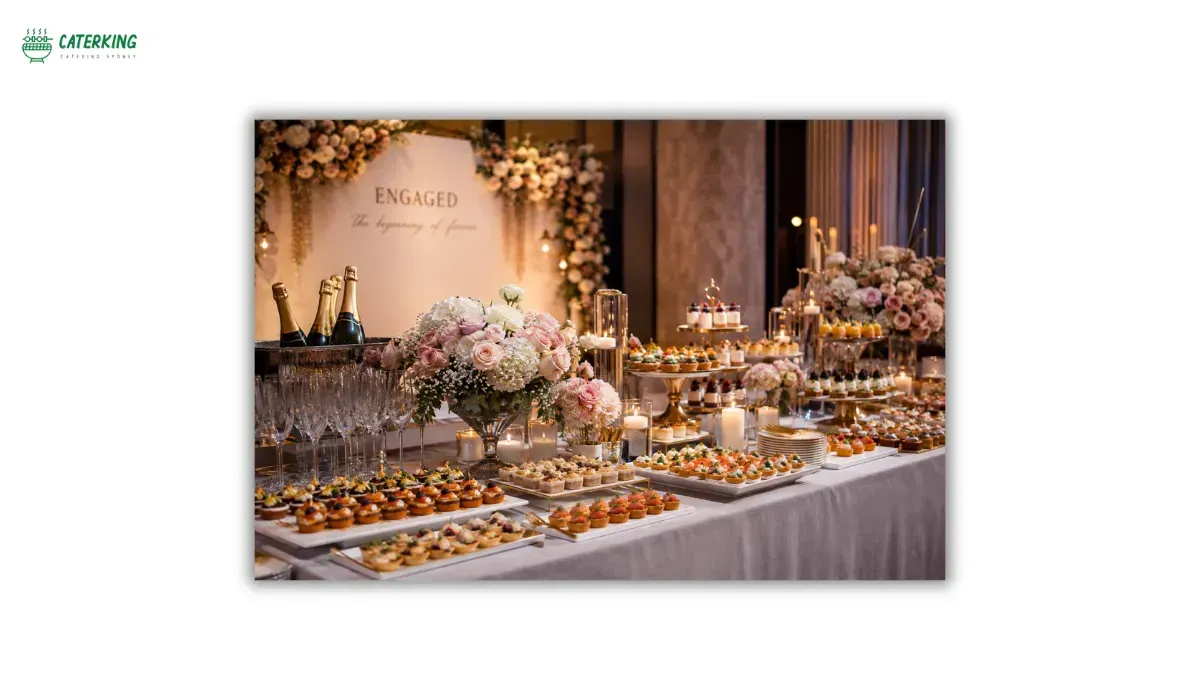
Party menus should offer variety while maintaining halal compliance. Multiple protein options accommodate different preferences.
Main protein options: Lamb kofta, chicken tikka, beef shawarma, grilled fish. Provide at least 2-3 protein options for variety.
Side dishes: Saffron rice, grilled vegetables, hummus, baba ganoush, tabbouleh, fattoush, stuffed vine leaves.
Desserts: Baklava, kunafa, basbousa, date cakes, fruit platters. Avoid desserts containing alcohol or gelatin.
Beverages: Fresh juices, mint lemonade, sparkling water, dates and figs for breaking fast if Ramadan event.
Serving Style Options
Serving style affects guest experience and logistics. For larger gatherings requiring professional setup, explore event catering options that handle halal menu planning and service.
Buffet style: Suitable for 30+ guests. Label all dishes clearly. Separate halal and non-halal stations if serving mixed audiences.
Plated service: Suitable for formal events. Allows precise portion control and elegant presentation.
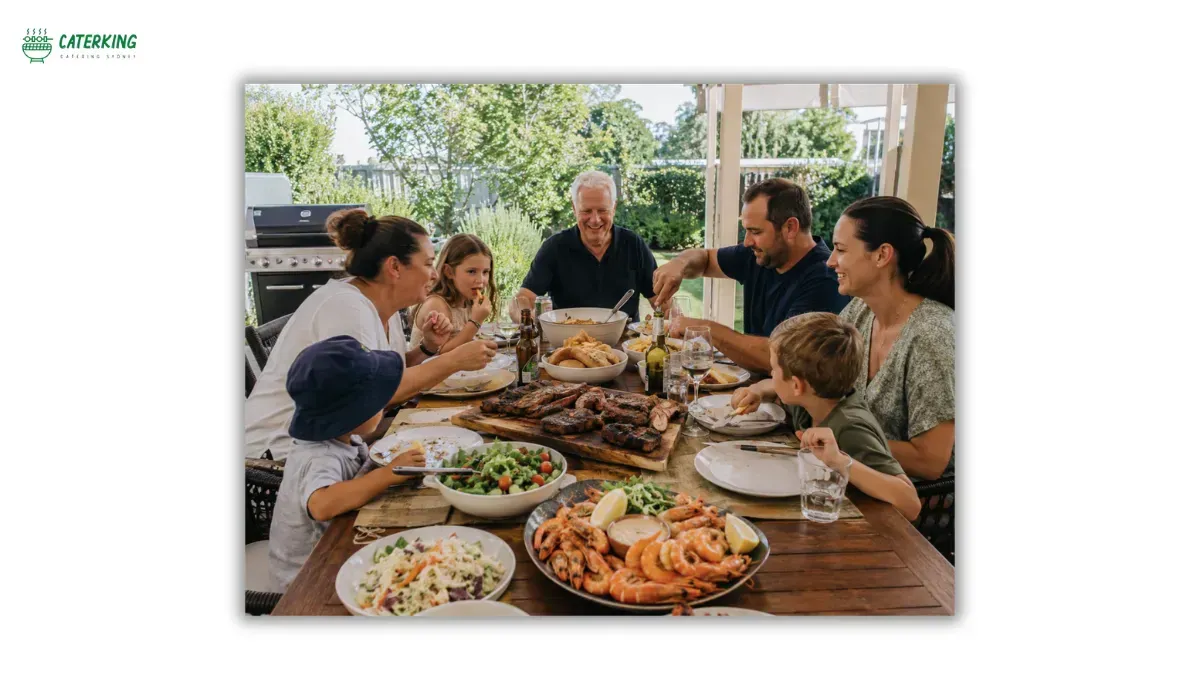
Family style: Suitable for intimate gatherings. Large platters shared at table. Creates communal dining atmosphere.
Food stations: Interactive stations with live cooking. Shawarma station, kebab station, dessert station. Engages guests while managing flow.
Dietary Considerations
Halal events may include guests with additional dietary requirements. Accommodating these needs ensures all guests enjoy the meal.
Vegetarian halal options include all vegetable dishes, cheese dishes using vegetarian rennet, and falafel. Vegan halal options avoid all animal products. Gluten-free halal options require checking all sauces and marinades for gluten content.
Communicate with guests about dietary requirements through invitations. Prepare separate dishes for guests with multiple restrictions. Label all dishes with ingredients for clarity.
Finding Halal Ingredients in Australia
Australian supermarkets and specialty stores stock halal ingredients. Knowing where to shop simplifies halal meal preparation.

Major Supermarkets
Coles and Woolworths stock halal-certified chicken, beef, and lamb from suppliers including Al Safa, Flamingo, and Kawan. Look for halal certification symbols on packaging.
Pre-packaged halal meals and ingredients appear in the international sections of larger stores. Products include frozen samosas, spring rolls, and ready meals.
Asian supermarkets stock halal-certified products from Malaysia, Indonesia, and Turkey. These stores often have dedicated halal sections.
Specialty Halal Stores
Halal butcher shops provide fresh, certified meat with knowledgeable staff. These shops often stock harder-to-find items including lamb chops, goat meat, and organ meats.
Middle Eastern grocery stores stock ingredients for Lebanese, Turkish, and Persian cooking. Products include tahini, sumac, pomegranate molasses, and za'atar.
Indian and Pakistani grocery stores stock spices, lentils, and Ready-to-use gravies. These shops often have fresh halal meat sections.
Price Comparison
| Item | Major Supermarket | Specialty Store |
|---|---|---|
| Halal chicken breast (1kg) | $12-15 | $10-13 |
| Halal beef mince (500g) | $8-10 | $7-9 |
| Halal lamb chops (500g) | $14-18 | $12-15 |
| Tahini (300g) | $6-8 | $4-6 |
| Basmati rice (2kg) | $8-12 | $6-10 |
For events requiring professional halal catering, explore party catering services that offer certified halal menu options.
FAQs About Halal Food
Common questions arise when cooking or planning halal meals. These answers address specific concerns with practical guidance.
What foods are automatically halal?
Certain foods require no certification or checking. All vegetables and fruits are halal. All grains and legumes are halal. Eggs from any source are halal. Fish with scales is halal (including salmon, tuna, snapper, cod). Dairy products are halal if from halal animals and contain no forbidden ingredients. Honey is halal. Nuts and seeds are halal.
Can I cook halal food in the same kitchen as non-halal food?
Yes, cooking halal and non-halal food in the same kitchen is permissible with proper precautions. Separate raw meat from other ingredients. Use separate cutting boards and utensils for raw meat. Clean surfaces thoroughly between preparations. Store halal ingredients separately. Many Muslim households maintain completely separate equipment for halal cooking.
How do I know if meat is halal?
Halal meat requires specific indicators. Look for halal certification symbols from recognized bodies (HCA, AHCS). Check packaging for "Halal Certified" text. Verify the slaughter method if purchasing from butchers. Ask about sourcing at specialty stores. Certification provides assurance for processed and packaged products.
Are eggs halal?
Yes, eggs are halal regardless of how the hen was raised or fed. The egg itself contains no forbidden ingredients. Eggs from halal or non-halal animals are both permissible. This includes chicken eggs, duck eggs, and quail eggs. Check eggs for blood spots and discard if present, as blood is haraam.
Can Muslims eat at non-halal restaurants?
Yes, Muslims can technically eat vegetarian items at non-halal restaurants. Most scholars advise against eating meat at non-halal establishments due to uncertainty about ingredients and preparation. Many Muslims choose to avoid restaurants without halal certification entirely. Some restaurants offer vegetarian or seafood options that avoid meat concerns.
What beverages are halal?
Halal beverages include water, milk, fruit juices, vegetable juices, tea, and coffee. Soft drinks are halal if they contain no alcohol or forbidden ingredients. Avoid beverages containing alcohol as ingredient. Some wines and beers may appear in cooking but evaporate during preparation.
For events requiring certified halal catering, explore catering services that offer halal menu planning and professional event catering across Australia.
Let Catering Sydney elevate your catering experience - Get in touch with us now!
You might also like