Rice Paper Roll Recipes: Vietnamese Style Guide
Rice paper roll recipes produce fresh spring rolls wrapped in translucent rice wrappers. Vietnamese cuisine popularized these rolls internationally through fresh herbs, vermicelli noodles, and nuoc cham dipping sauce. Australian home cooks access ingredients from supermarkets and Asian grocery stores for authentic preparation.
Rice paper rolls differ from fried spring rolls through serving temperature and wrapper type. Fresh rice paper rolls serve immediately after assembly with soft, chewy wrappers. Fried spring rolls use thicker wrappers and require cooking. The fresh version emphasizes raw or barely cooked ingredients highlighting natural flavors and textures.
For comprehensive party catering options, explore catering services that offer fresh rice paper rolls for events across Australia.
KEY TAKEAWAYS
- Rice paper rolls use translucent rice wrappers made from rice flour and water, sold dried
- Fresh rolls serve same day wrappers soften within minutes of assembly
- Filling ratios matter: balance protein, vegetables, and noodles
- Rolling technique requires practice about 3-5 attempts for consistent results
- Dipping sauces complete the dish: hoisin, peanut, and nuoc cham varieties
- Australian supermarkets stock rice paper, Asian grocers for variety
- Wrappers come in different sizes: small (15cm) for appetizers, large (22cm) for main meals
Rice Paper Wrapper Fundamentals
Rice paper wrappers form the foundation of fresh spring rolls. Wrapper characteristics determine selection and preparation methods.
What Are Rice Paper Wrappers
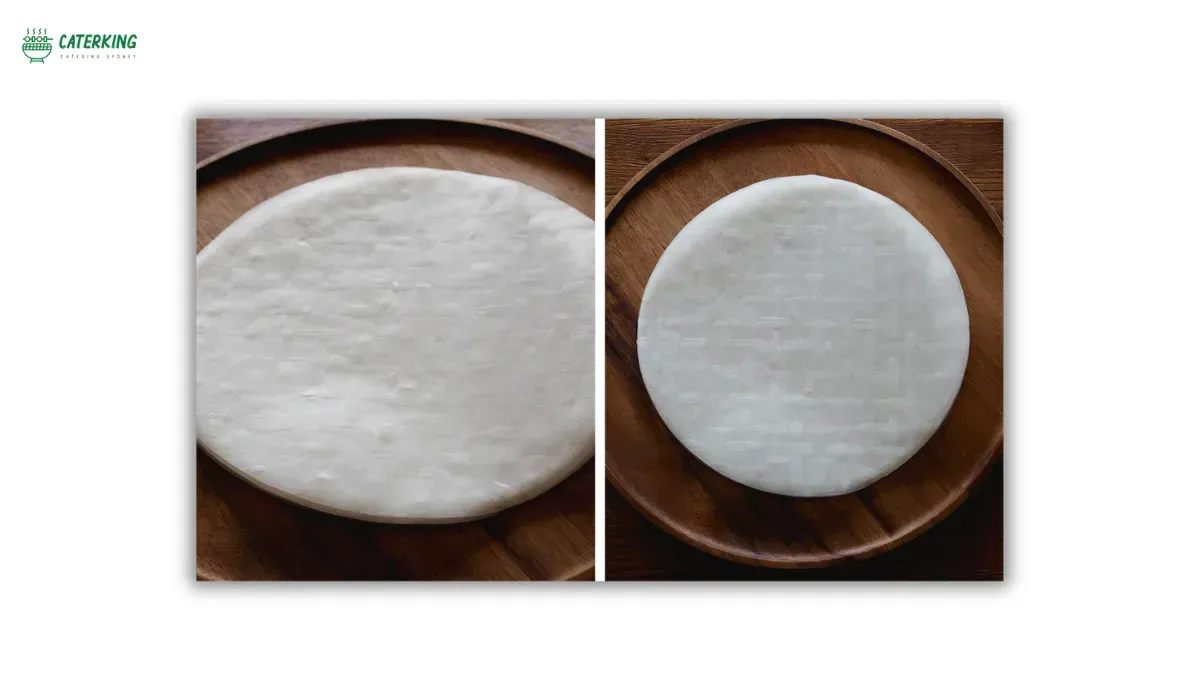
Rice paper wrappers are thin, translucent sheets made from rice flour, tapioca flour, and water. The wrappers dry to a rigid state and soften when moistened. Dried wrappers store for 12+ months in cool, dry locations.
Composition varies by brand. Higher rice flour content produces more opaque wrappers with stronger chew. Tapioca content creates translucency and delicate texture. Some wrappers include salt or sugar for flavor.
Wrapper sizes determine roll dimensions. Small wrappers (15cm diameter) create appetizer-sized rolls. Medium wrappers (20cm) suit regular servings. Large wrappers (22-24cm) accommodate generous fillings for main meals.
Selecting Wrappers
Australian supermarkets stock rice paper wrappers from brands including Three Cups, Lotus, and Blue Dragon. Asian grocery stores provide wider selection including Vietnamese brands with authentic texture.
Look for wrappers with uniform thickness. Inconsistent thickness produces tears during rolling. Avoid wrappers with visible white spots (indicates uneven hydration during manufacturing).
Rice paper wrappers come in three texture types: soft (ready to use immediately with damp cloth), medium (requires brief soak), and hard (requires longer soak). Vietnamese recipes typically specify medium texture wrappers.
For larger gatherings requiring professional preparation, explore party catering options that include fresh spring rolls in menu selections.
Essential Rice Paper Roll Ingredients
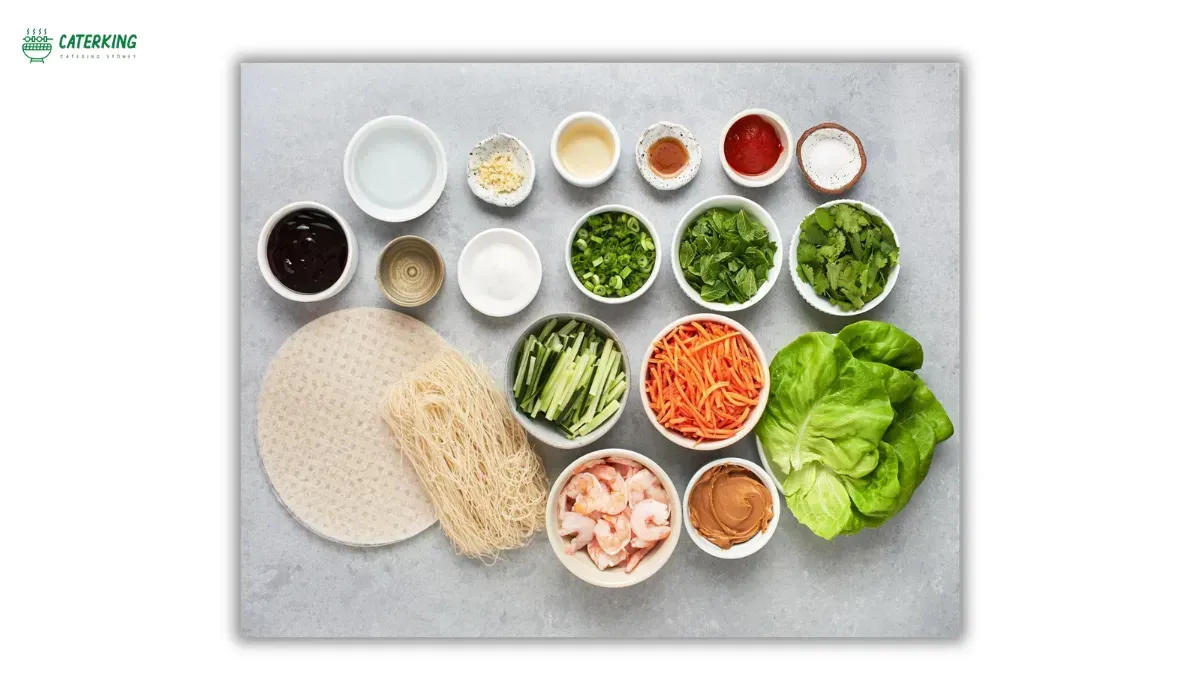
Rice paper rolls require specific ingredients beyond the wrapper. These components create authentic Vietnamese flavors.
Protein Options
Protein provides substance and flavor foundation. Cook proteins before assembly to ensure food safety.
Pork options include poached pork belly sliced thin, grilled pork shoulder, or Vietnamese-style cha lua (steamed pork roll). Cooked shrimp serves as popular seafood option, either poached or grilled. Chicken breast poached in aromatics works for lighter preferences. Tofu pressed and pan-fried provides vegetarian protein.
Poaching technique for pork: Submerge thin pork slices in simmering water with ginger and spring onion for 3-5 minutes until cooked through. Cool in liquid before using. This technique produces tender, flavorful protein without oil.
Shrimp preparation: Poach in simmering water for 2-3 minutes until pink. Cool and slice in half lengthwise for visible presentation inside rolls.
Vegetable Components
Vegetables provide crunch, color, and nutritional balance. Prepare vegetables before rolling for efficient assembly.
Lettuce varieties include butter lettuce leaves, romaine lettuce strips, and crispy iceberg lettuce. Butter lettuce offers tender texture. Romaine provides crunch. Use separate leaves as cups or slice into strips.
Cucumber matches thin strips or julienne cuts. Remove seeds for less moisture. Carrot matches thin strips or shredded for color. Daikon radish provides mild flavor and crunch when julienned.
Bean sprouts require brief blanching (30 seconds in boiling water) to reduce bacteria and improve digestibility. Cool immediately in ice water. Unblanched sprouts risk bacterial growth in assembled rolls.
Fresh herbs define Vietnamese rice paper roll character. Thai basil provides peppery, anise-like flavor. Vietnamese coriander (rau ram) offers unique citrus-spicy taste unavailable from regular supermarkets. Regular mint substitutes when rau ram is unavailable. Perilla leaves (shiso) contribute purple-tinged leaves with distinctive flavor.
Noodles and Extras
Vermicelli noodles (bun) provide carbohydrate base. Rice noodles cook quickly and absorb sauce flavors.
Vermicelli cooking: Boil water, remove from heat, add noodles, soak 3-5 minutes until soft but not mushy. Drain and rinse cold. Toss with small amount of sesame oil to prevent sticking. One bunch (100g dried) yields 3-4 rolls.
Rice paper roll accessories include thinly sliced mango for sweetness, avocado for creaminess, and crispy shallots for texture. These additions customize rolls to preferences.
Rice Paper Roll Recipes
These recipes provide complete filling combinations for authentic Vietnamese rice paper rolls.
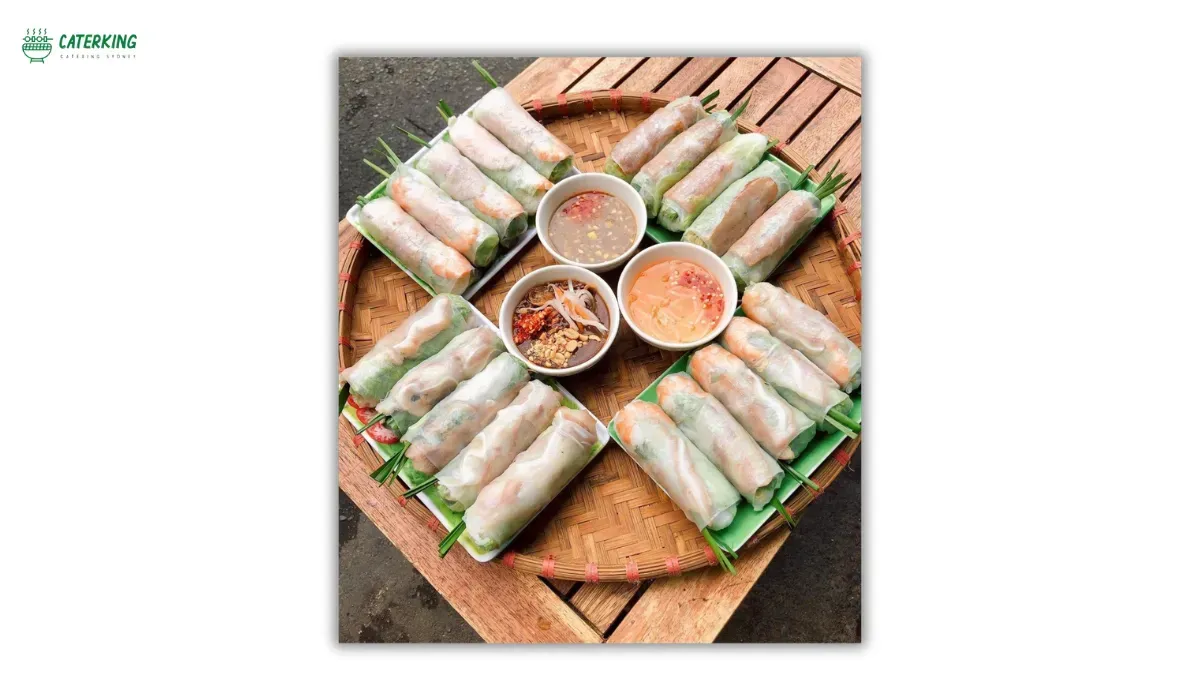
Classic Pork and Shrimp Rice Paper Rolls
This recipe produces 8 rolls suitable as appetizer or light meal. Assembly takes 30-45 minutes for beginners.
Ingredients: 8 large rice paper wrappers, 200g thin pork belly slices, 200g medium shrimp (12-15 count), 100g dried vermicelli noodles, 1 butter lettuce, 2 carrots julienned, 1 cucumber julienned, 1 cup bean sprouts, 1 bunch Thai basil, 1 bunch mint.
Pork preparation: Poach pork slices in simmering water with ginger for 5 minutes. Cool in liquid. Slice thinly against grain.
Shrimp preparation: Poach shrimp 2-3 minutes until pink. Cool. Slice in half lengthwise.
Noodle preparation: Soak vermicelli in boiling water 3-5 minutes. Drain. Rinse cold. Toss with sesame oil.
Assembly: Soften one wrapper in damp cloth for 10-15 seconds until pliable but not soggy. Place on clean work surface. Position lettuce leaf near bottom third. Add small handful noodles. Arrange pork, shrimp, and vegetables across center. Add herb sprigs. Fold bottom of wrapper over filling. Fold sides in. Roll tightly from bottom to top. Repeat with remaining wrappers.
Serve immediately with nuoc cham dipping sauce.
Time: 45 minutes
Serves: 8 rolls (4 as light meal, 8 as appetizer)
Vegetarian Rice Paper Rolls
Vegetarian rolls substitute tofu and additional vegetables for protein. The recipe produces 8 rolls.
Ingredients: 8 large rice paper wrappers, 300g firm tofu pressed and cubed, 100g vermicelli noodles, 1 avocado sliced, 1 mango sliced, 2 carrots julienned, 1 cucumber julienned, 1 cup mushrooms sauteed, 1 cup bean sprouts, 1 butter lettuce, 1 bunch Thai basil, 1 bunch mint.
Tofu preparation: Press tofu under weight for 20 minutes to remove excess moisture. Cube and pan-fry until golden on sides. Season with soy sauce and ginger.
Assembly follows same technique as classic recipe, substituting tofu and vegetables for meat proteins.
Dipping sauce: Hoisin sauce mixed with peanut butter and lime juice. This combination provides protein and flavor complement to vegetable fillings.
For comprehensive event catering, explore event catering options that include fresh spring rolls for corporate and private functions.
Prawn and Mango Rolls
This combination offers sweet-savory balance popular at summer gatherings. Recipe produces 6 rolls.
Ingredients: 6 large rice paper wrappers, 300g medium prawns poached, 1 mango sliced into strips, 2 carrots julienned, 1 cucumber julienned, 1 cup bean sprouts, butter lettuce, 1 bunch mint.
Preparation: Poach prawns in simmering water 2-3 minutes. Cool. Slice in half lengthwise. Slice mango into thin strips.
Assembly: Follow standard rolling technique. Position mango strips visible through wrapper for aesthetic presentation.
Dipping sauce: Sweet chili sauce mixed with lime juice. The spicy-sweet combination complements mango sweetness.
Rolling Technique Guide
Rice paper roll technique improves with practice. These steps ensure consistent results.
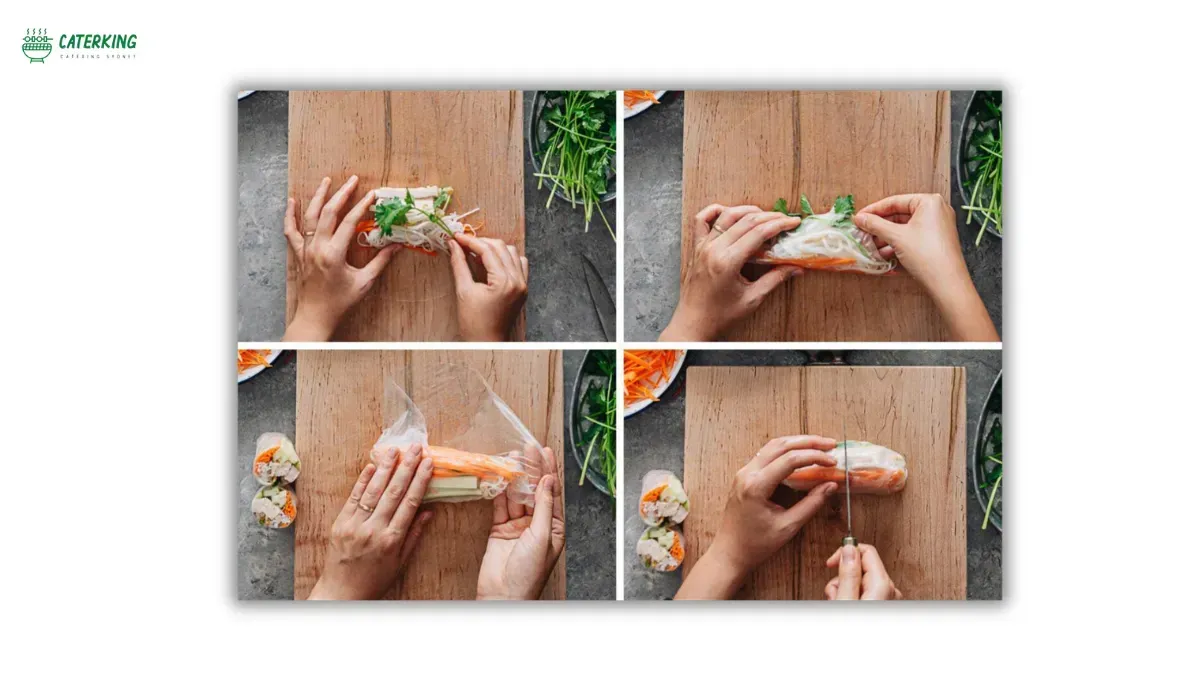
Wrapper Softening
Improper softening causes tearing or soggy rolls. Follow these steps for optimal wrapper texture.
Fill shallow dish with room temperature water. Dip wrapper in water for 5-10 seconds. The wrapper should feel pliable but still slightly firm. Over-soaking produces tears during rolling. Under-soaking creates stiff sections that crack.
Transfer softened wrapper to clean work surface immediately. Stack prepared wrappers under damp cloth to prevent drying while assembling.
Work quickly once wrapper is softened. The wrapper continues absorbing moisture and becomes too soft within 30-60 seconds of preparation.
Filling Placement
Filling positioning affects roll appearance and eating experience. Incorrect placement creates bulges or empty sections.
Position fillings in the lower third of wrapper, approximately 5cm from bottom edge. The filling should form a line parallel to wrapper bottom, approximately 3cm wide.
Distribute ingredients evenly across filling line. Cluster similar ingredients together: proteins on one section, vegetables on another. This visual separation creates appealing cross-section appearance.
Herb placement matters most. Position herbs last, pressed into filling with fingertips. Herbs visible through translucent wrapper create green accent color.
Rolling Method
Rolling technique holds everything together. Follow this sequence for secure rolls.
Step 1: Fold bottom of wrapper up over filling. Ensure wrapper overlaps filling by 2-3cm. Press firmly to seal.
Step 2: Fold left and right sides of wrapper toward center. The sides should overlap slightly without covering filling.
Step 3: Continue rolling from bottom to top, maintaining even pressure. The wrapper should wrap tightly without crushing fillings.
Step 4: Apply final pressure to top edge to seal. The roll should feel firm when complete.
Step 5: Place completed roll seam-side down on serving plate. The seal prevents unwrapping during eating.
Troubleshooting
Common problems have specific solutions.
Tearing during rolling indicates over-soaked wrappers. Use drier wrappers and work faster. The wrapper should still feel slightly firm when placed on work surface.
Empty sections result from insufficient filling or poor distribution. Add more filling. Ensure vegetables are cut thinly enough to pack densely.
Loose rolls occur from under-tight rolling or under-soaked wrappers. Practice produces tighter technique. Roll with even pressure throughout.
Sticking to work surface happens when wrappers absorb moisture from work surface. Use clean dry surface. Place completed rolls on serving plate immediately.
FAQs About Rice Paper Rolls
Common questions arise when preparing rice paper rolls. These answers address specific concerns with practical guidance.
Can I make rice paper rolls the day before?
No, rice paper rolls deteriorate within hours of assembly. The wrappers absorb moisture from fillings, becoming soggy and tearing. The vegetables release water, pooling at roll bottoms. Prepare and serve within 2 hours of assembly for optimal texture. If advance preparation is necessary, prepare all components separately and assemble just before serving.
Do rice paper rolls need to be refrigerated?
No, assembled rice paper rolls do not require refrigeration. Refrigeration causes wrappers to harden and lose flexibility. Store assembled rolls at room temperature on plate covered loosely with damp cloth. The damp cloth prevents drying without creating condensation that soggy wrappers. Consume within 4 hours for best quality.
What dipping sauce accompanies rice paper rolls?
Nuoc cham serves as traditional Vietnamese dipping sauce. Combine fish sauce, lime juice, sugar, garlic, and chili. Hoisin-peanut sauce provides sweeter alternative. Sweet chili sauce offers quick preparation with store-bought convenience. Provide multiple sauce options to accommodate preferences.
Are rice paper rolls gluten-free?
Yes, traditional rice paper wrappers contain only rice flour, tapioca flour, and water. These ingredients contain no gluten. Verify packaged wrappers list no wheat or barley ingredients. Cross-contamination risks exist in facilities processing wheat products. Look for certified gluten-free wrappers for celiac-safe preparation.
How many rolls should I prepare per person?
Portion planning depends on serving context. Plan 3-4 rolls per person as appetizer. Plan 6-8 rolls per person as light meal. Plan 8-10 rolls per person as main meal. Children consume 2-4 rolls depending on age and appetite. Prepare 20 percent extra to accommodate unexpected appetites.
Can I use rice paper wrappers for other dishes?
Yes, rice paper wrappers adapt to various preparations beyond fresh rolls. Rice paper sheets cut and fried create crispy chips. Wrappers cut into triangles and deep-fried make crispy crackers. Small wrappers wrap around sausage for pigs in blankets variation. Baked wrappers with seasonings create flat crisps.
How do I prevent rice paper rolls from drying out?
Preventing drying requires proper storage and serving practices. Keep unopened wrapper packages sealed tight. Store opened packages in airtight containers with desiccant packs. Cover assembled rolls loosely with damp cloth. Avoid refrigeration. Serve within 2-4 hours of assembly.
Rice paper rolls offer fresh, customizable eating experience suitable for parties, light meals, and appetizers. The technique requires practice but produces impressive results once mastered. Australian home cooks access ingredients from local supermarkets for authentic Vietnamese preparation.
For professional event catering including fresh spring rolls, explore catering services that offer Vietnamese-inspired menus across Australia.
Let Catering Sydney elevate your catering experience - Get in touch with us now!
You might also like