Jumbuck Spit Roaster: Models, Specs and Honest Review
The Jumbuck spit roaster is one of the best-selling charcoal rotisserie units in Australia, stocked at Bunnings Warehouse and widely used for backyard spit roasts.
Three models cover different budgets and cooking capacities, from the entry-level Mini at under $90 through to the multi-function Paramount. This guide covers every model's specs, weight limits, real-world performance, limitations, and which model suits which use case.
Novo vs Rondo: The Key Difference
The Novo and Rondo share the same frame and cooking dimensions at the small size. The single difference is the motor.
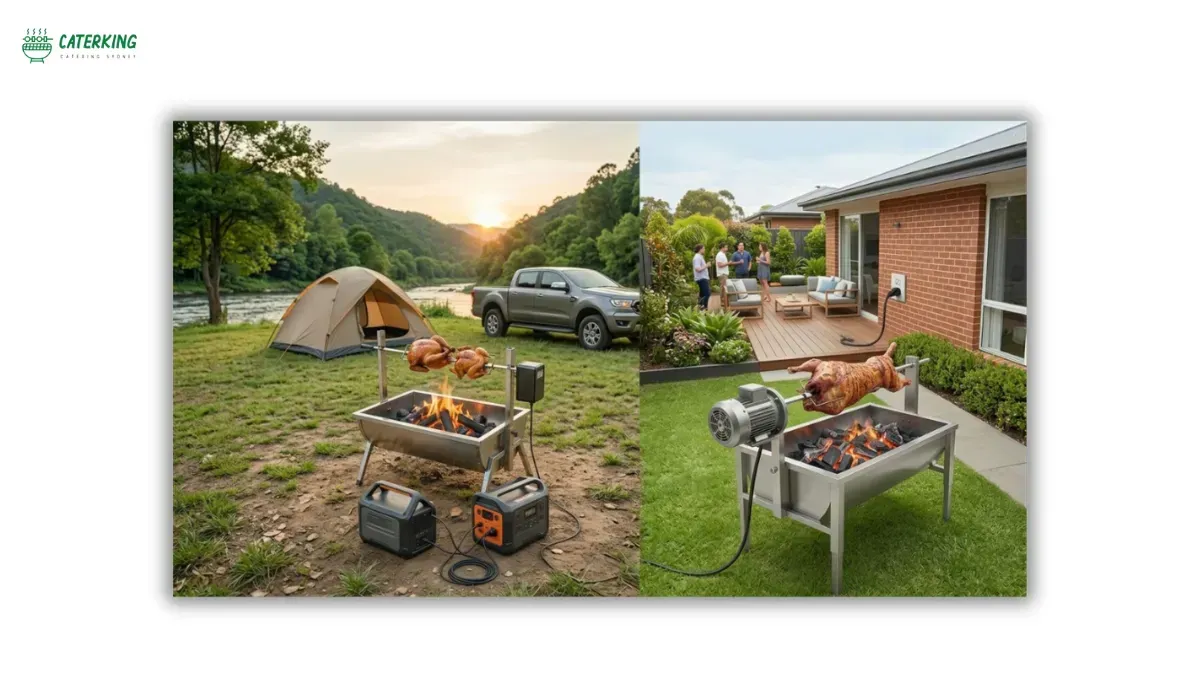
Novo runs on 2× D-size batteries (not included). This makes it the correct choice for camping trips, outdoor events without mains power access, or any location where a 240V outlet is not available. Battery life is sufficient for a standard 3-5 hour cook on a medium-sized cut.
Rondo runs on 240V mains power. For permanent backyard use where a power point is accessible, the Rondo removes the ongoing cost of batteries. Both motors handle the same 15 kg maximum load on the small frame.
Both motors can be purchased separately, so owners of the Novo can add a Rondo motor for home use and get access to both options from a single frame.
Jumbuck Rondo Small: Specs and Real-World Performance
The Rondo Small is the entry point for electric Jumbuck models suited to single cuts, 4-10 guests, and backyards with mains power access.
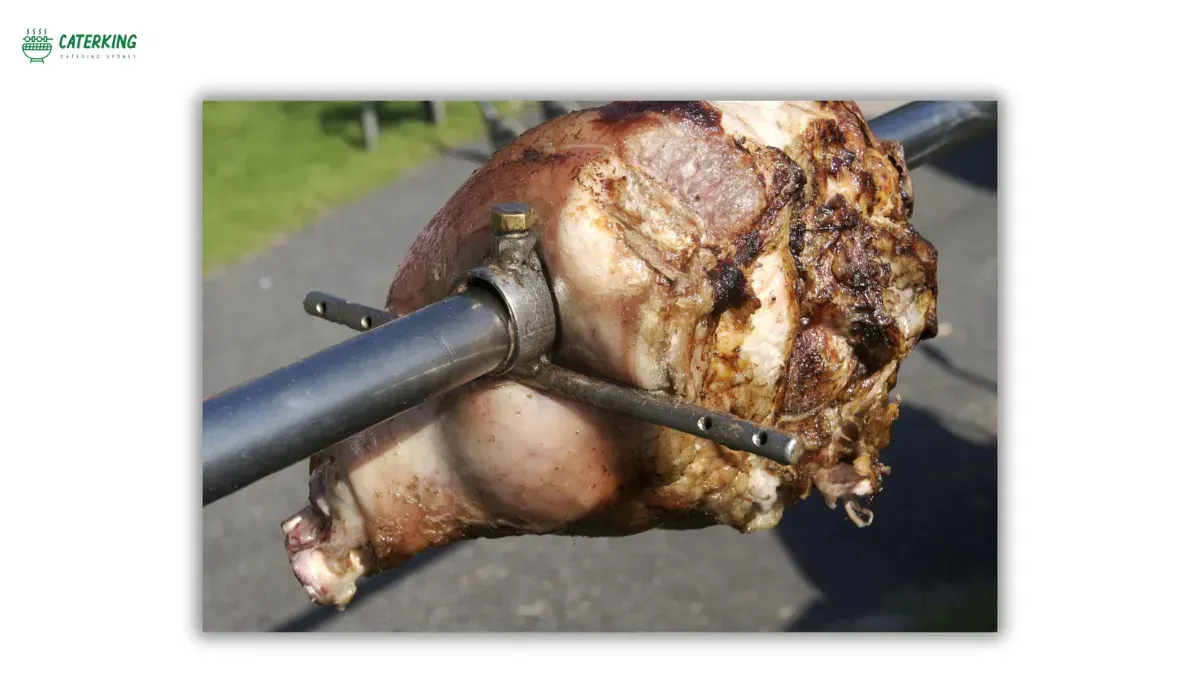
Specifications:
- Cooking surface: 890mm (L) × 420mm (W)
- Height assembled: 625mm
- Motor: 240V electric
- Maximum rotisserie load: 15 kg
- Fuel: Charcoal or wood/heat beads
- Ventilation: Adjustable side vents
- Frame material: Powder-coated steel
What it cooks well: A bone-in leg of lamb at 2-3 kg, a whole chicken, pork shoulder up to 4 kg, and chicken wings on the skewer. For a standard backyard gathering of 4-10 people with appropriate sides, the Rondo Small handles the cook comfortably.
Real limitations from Australian users:
The 15 kg weight capacity is a hard limit. In practice, a whole lamb of any reasonable size exceeds it. A butcher-ready spring lamb carcass starts at 8-10 kg dressed weight, but the 420mm width of the Rondo Small creates a dimensional problem before weight does. The legs of even a small whole lamb extend beyond the cooking width, requiring the legs to be folded in and wired to the carcass. Multiple experienced users on Australian BBQ forums report this produces uneven cooking where the folded limbs do not receive consistent radiant heat.
For whole lamb, the Rondo Small is not a practical choice. The Rondo Medium, at 1270mm length and 560mm width, is the minimum recommended frame for a whole lamb up to 12-15 kg dressed weight.
The open-top design loses heat faster than an enclosed unit, particularly in windy conditions. Users report significantly higher charcoal consumption on exposed outdoor sites. A windbreak, or positioning the unit against a wall or fence, reduces this substantially.
The powder-coated steel frame will show rust and coating degradation after repeated high-heat cooks if not maintained. Wiping down the frame after each use and storing under cover extends the life of the unit considerably.
Jumbuck Rondo Medium: Specs and Real-World Performance
The Rondo Medium is the correct choice when the Rondo Small's 420mm width or 15 kg limit is the constraint, specifically for whole lamb, larger pork shoulders, or groups above 10 people.
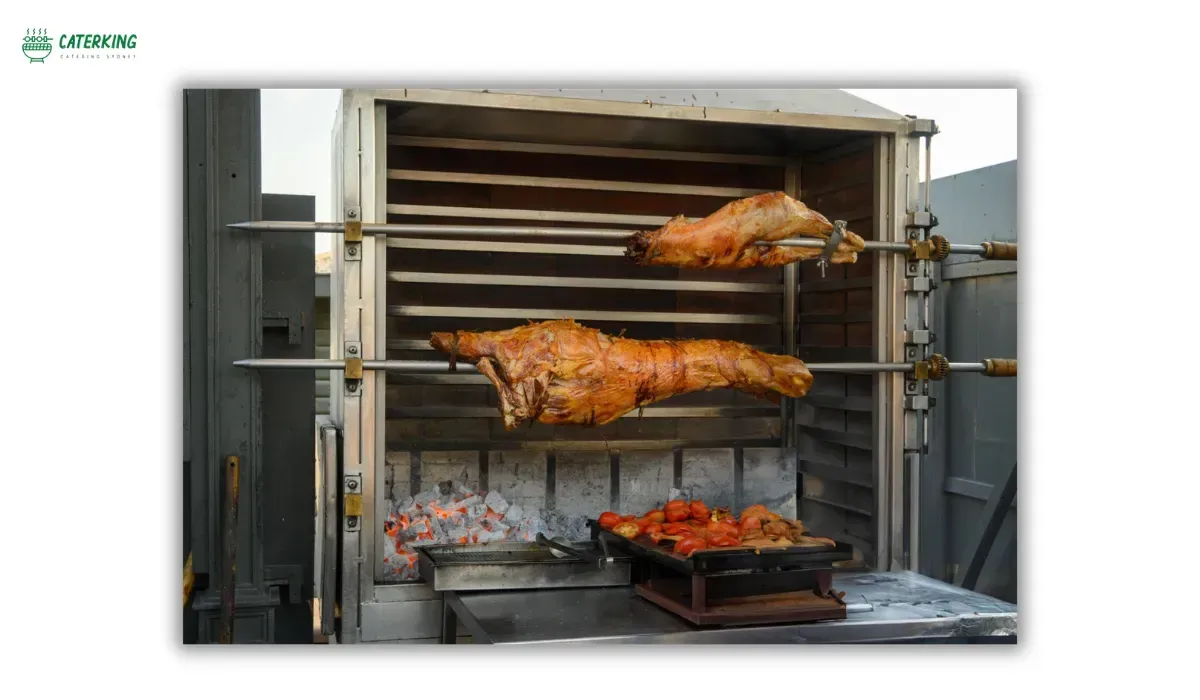
Specifications:
- Cooking surface: 1270mm (L) × 560mm (W)
- Height assembled: 1020mm
- Motor: 240V electric
- Maximum rotisserie load: 20 kg
- Fuel: Charcoal or wood/heat beads
- Ventilation: Adjustable side vents
What it handles: A whole lamb up to 12-15 kg dressed weight, multiple pork shoulders simultaneously, larger bone-in leg cuts, and whole chickens in multiples. For gatherings of 15-30 people, the Rondo Medium is the practical baseline.
The wider frame (560mm) accommodates the extended leg span of a small whole lamb without requiring significant folding, provided the carcass is wired and back-braced correctly before mounting. At 20 kg maximum load, there is headroom for the weight of the meat, the spit rod, and the forks combined.
At the $300 price range, the Rondo Medium represents the value ceiling of the Jumbuck range. Above this, the build quality gap between the Jumbuck range and dedicated commercial-grade
spit roaster becomes significant, particularly in frame thickness, rod quality, and motor durability under sustained high loads.
Jumbuck Paramount: Specs and Use Case
The Paramount suits a different use case from the Rondo range. If the goal is cooking multiple food types simultaneously rather than a single large cut, this is the relevant model.
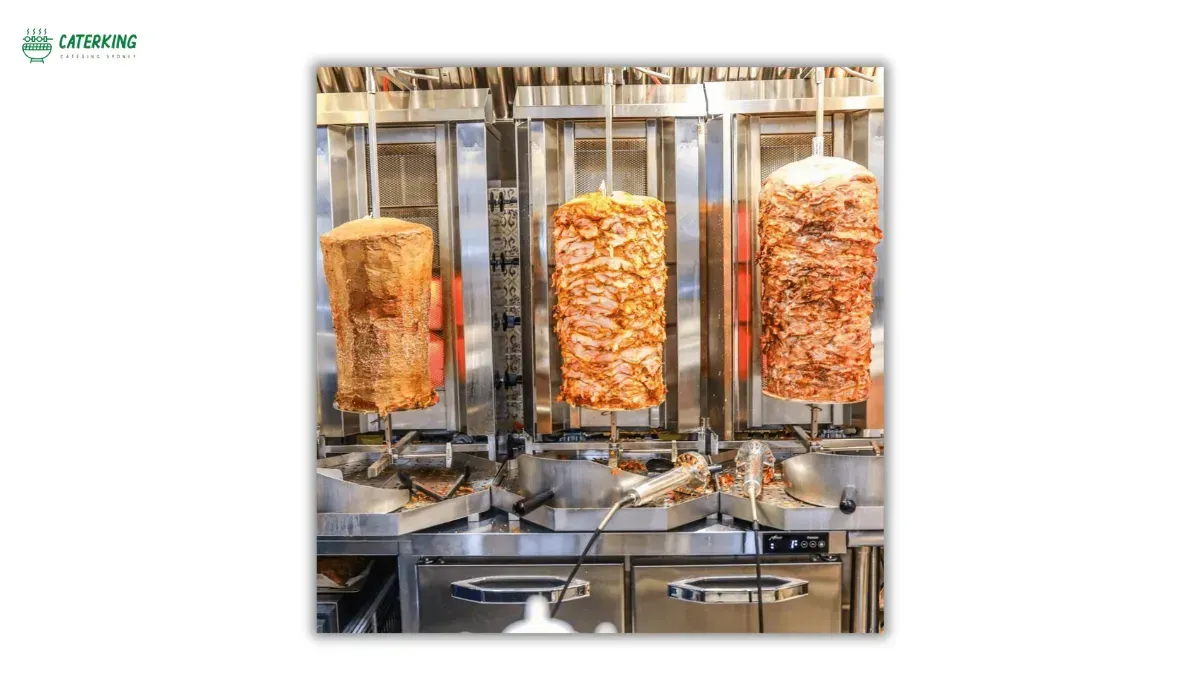
Specifications:
- Motor: 2× 240V electric motors
- Central spit rod + 10 individual rotating skewers
- Fuel: Charcoal
- Designed for: Multi-food simultaneous cooking
The Paramount is a different product category from the Rondo range. Rather than a single large cut on a central rod, it rotates 10 individual skewers simultaneously alongside the central spit. This makes it suited to gyros-style cooking, kebabs, chicken pieces, and mixed protein events where different guests want different things.
For a traditional whole-animal spit roast, the Paramount is not the correct choice. The central rod and multi-skewer configuration is not designed for the weight distribution of a whole lamb or large pork shoulder. The Rondo Medium is the correct unit for that use case.
The Chrome Skewer Problem: What Jumbuck Doesn't Tell You
All Jumbuck spit roasters ship with chrome-plated skewers and prongs as standard. Chrome plating degrades at sustained high temperatures, and the coating can chip and introduce metal particles into the cooking surface of the meat. This is a food safety consideration, not a cosmetic one.
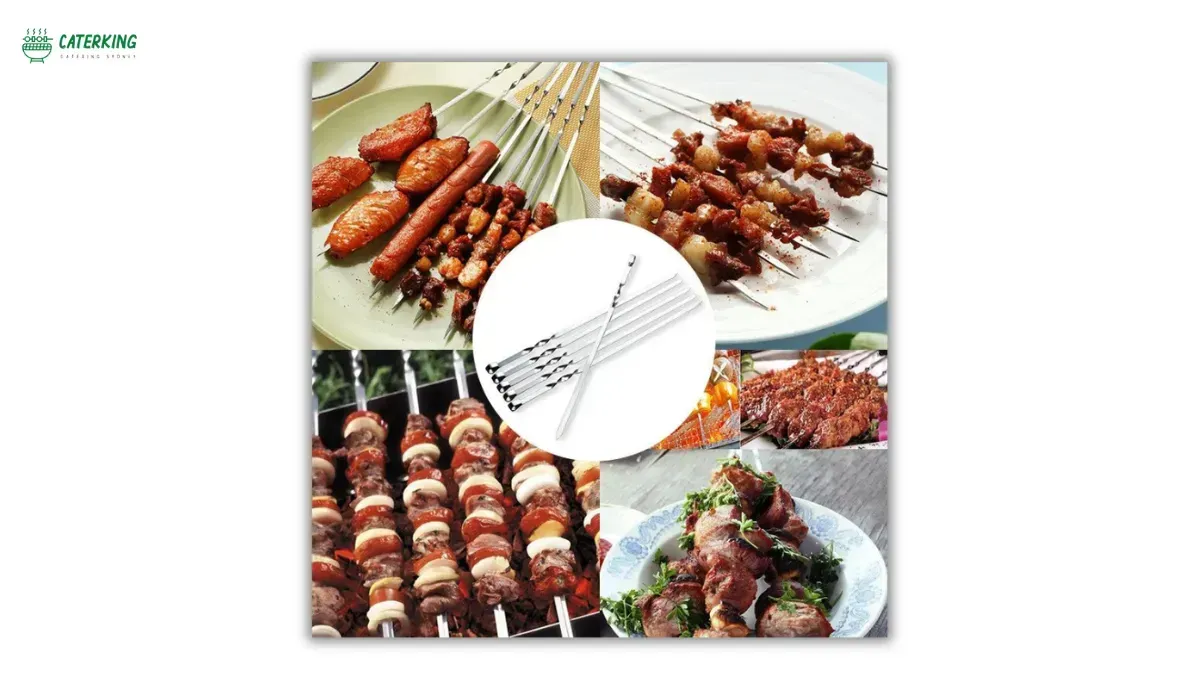
The consistent recommendation from Australian BBQ accessory specialists is to replace the included skewers and prongs with 304 food-grade stainless steel equivalents before the first cook. These are available separately and are compatible with the Jumbuck frame dimensions. Stainless steel accessories are also dishwasher-safe, making cleanup significantly faster.
This is not a reason to avoid the Jumbuck. At the entry-level price point, the frame, motor, and overall unit deliver strong value. The skewer upgrade is a $30-$60 addition that resolves the only genuine food safety concern with the product.
What the Jumbuck Suits and What It Doesn't
Knowing the boundaries of the Jumbuck range prevents buying the wrong unit or expecting results the equipment cannot deliver.
Suited to:
- First-time spit roasters wanting an affordable entry into charcoal rotisserie cooking
- Backyard gatherings of 4-20 people (small for 4-10, medium for 10-20)
- Portable cooking at camping sites and events without power (Novo model)
- Chicken, pork shoulder, leg of lamb, and gyros-style cuts
- Cooks who want to try spit roasting before committing to a commercial-grade unit
Not suited to:
- Whole lamb above 12-15 kg dressed weight (medium frame only, and dimensional fit is tight)
- Whole pig: the Jumbuck range does not accommodate pig dimensions or weight at any model
- Commercial or semi-commercial catering use where the unit runs multiple consecutive cooks
- Locations with no windbreak, as the open-top design loses heat aggressively in exposed conditions
- Cooks wanting gas fuel: the entire Jumbuck range is charcoal only
Getting the Most from a Jumbuck Spit Roaster
A Jumbuck at $85–$300 performs closer to its ceiling when these four steps are applied.
Charcoal selection: Natural lump hardwood charcoal (ironbark, red gum) burns hotter and longer than heat beads, producing better results on a 3-5 hour cook. Heat beads are consistent and widely available, and are suitable for shorter cooks on chicken or small cuts. Allow 30-40 minutes for the charcoal to reach cooking temperature before placing the meat on the spit.
Fat management: Place a tray in the base of the unit beneath the meat to catch rendered fat. Fat dripping onto live coals causes flare-ups that scorch the surface of the meat and produce acrid smoke. The drip tray also allows potatoes or vegetables to roast in the rendered fat during the final 60-90 minutes of the cook.
Skewer height adjustment: The adjustable rotisserie height is a meaningful feature. Start with the skewer at maximum height from the coals during the first hour to build heat gradually into the meat, then lower incrementally as the cook progresses and the coals reduce in intensity.
End wall flex: A common complaint from Rondo Small users is that the end walls flex outward slightly under the weight of heavier cuts. Placing a metal washer under the support arms where they contact the end walls prevents this flex and keeps the skewer level throughout the cook.
FAQs About the Jumbuck Spit Roaster
The sections above cover specs, limitations, and setup. If one specific question is still open before buying, the answers below address the most common ones from Australian Jumbuck buyers.
What is the weight limit on a Jumbuck spit roaster?
The Novo and Rondo Small both carry a maximum rotisserie load of 15 kg. The Rondo Medium carries 20 kg.
These limits include the weight of the spit rod and forks, not just the meat. For a whole lamb, the dimensional fit (width of the frame) is a practical constraint before weight becomes one: the Small frame at 420mm width is too narrow for most whole lambs.
What is the difference between the Jumbuck Novo and Rondo?
The frame and cooking dimensions are identical on the small size.
The Novo runs on 2× D-size batteries, making it suitable for camping and locations without mains power. The Rondo runs on 240V electric mains power. Both motors are sold separately, so owners can run either motor on the same frame.
Can I cook a whole lamb on a Jumbuck spit roaster?
On the Rondo Medium (1270mm × 560mm, 20 kg capacity), yes, for a spring lamb up to approximately 12-15 kg dressed weight.
On the Rondo Small, the 420mm width is too narrow for a whole lamb in its natural form. Legs can be folded and wired, but this produces uneven cooking and is not recommended by experienced Australian spit roasters.
Should I replace the Jumbuck skewers?
Yes. The included chrome-plated skewers and prongs degrade at sustained cooking temperatures and can introduce metal particles into food.
Replace with 304 food-grade stainless steel skewers and prongs before the first cook. These are available from Australian BBQ accessory retailers and are compatible with Jumbuck frame dimensions.
Where can I buy a Jumbuck spit roaster in Australia?
The full Jumbuck range, including the Novo, Rondo Small, Rondo Medium, and Paramount, is stocked at Bunnings Warehouse stores across Australia and available online through Bunnings.com.au.
Stock availability varies by store and season. The Novo Small has been listed as discontinued on ProductReview.com.au, so confirm current availability before visiting.
How much charcoal does a Jumbuck spit roaster use?
For a 3-5 hour cook on the Rondo Small, expect to use 4-6 kg of natural lump charcoal or heat beads.
The open-top design loses more heat than enclosed units, particularly in wind. Budget for 20-30% more charcoal than you expect to need on an exposed site.
A chimney fire starter gets the coals to cooking temperature in 20-30 minutes and significantly improves the starting experience.
Let Catering Sydney elevate your catering experience - Get in touch with us now!
You might also like