Moroccan Finger Food: Recipes & Party Ideas Guide 2026
Moroccan finger food consists of small, hand-held dishes featuring spice blends including ras el hanout, cumin, and preserved lemon. Traditional preparations like briouats, kefta skewers, and spiced chickpea bites require no cutlery, serving 2-3 bites per item. The cuisine balances sweet and savory through honey, preserved lemon, and dried fruits, creating complexity that holds attention despite small portions.
Most Moroccan finger foods maintain quality at room temperature for 2-3 hours, making the cuisine ideal for grazing-style parties. Australian supermarkets stock cumin, coriander, and paprika in standard spice aisles. Specialty shops provide preserved lemon, harissa, and rose water for authentic preparations.
KEY TAKEAWAYS
- Ras el hanout is the signature blend, containing cumin, coriander, cardamom, cinnamon, and turmeric
- Briouats and kefta are the most popular options, traditional dishes adapted for finger food format
- Moroccan finger food suits room temperature service ideal for 2-3 hour grazing parties
- Most spices are available at Coles and Woolworths, specialty shops for preserved lemon and harissa
- The sweet-savory balance defines the cuisine and honey, preserved lemon, olives, dried fruits
- Make-ahead preparation improves flavor like spices penetrate meat more deeply overnight
- Professional catering costs $35-55 per person for Moroccan-themed events
Moroccan Finger Food Flavor Foundations
Moroccan cuisine balances sweet and savory through specific ingredient combinations. Honey pairs with savory meats, dried fruits add sweetness to tagines, and preserved lemon provides intensity to vegetables. This balance creates complexity that distinguishes Moroccan food from other cuisines.
Ras El Hanout Spice Blend
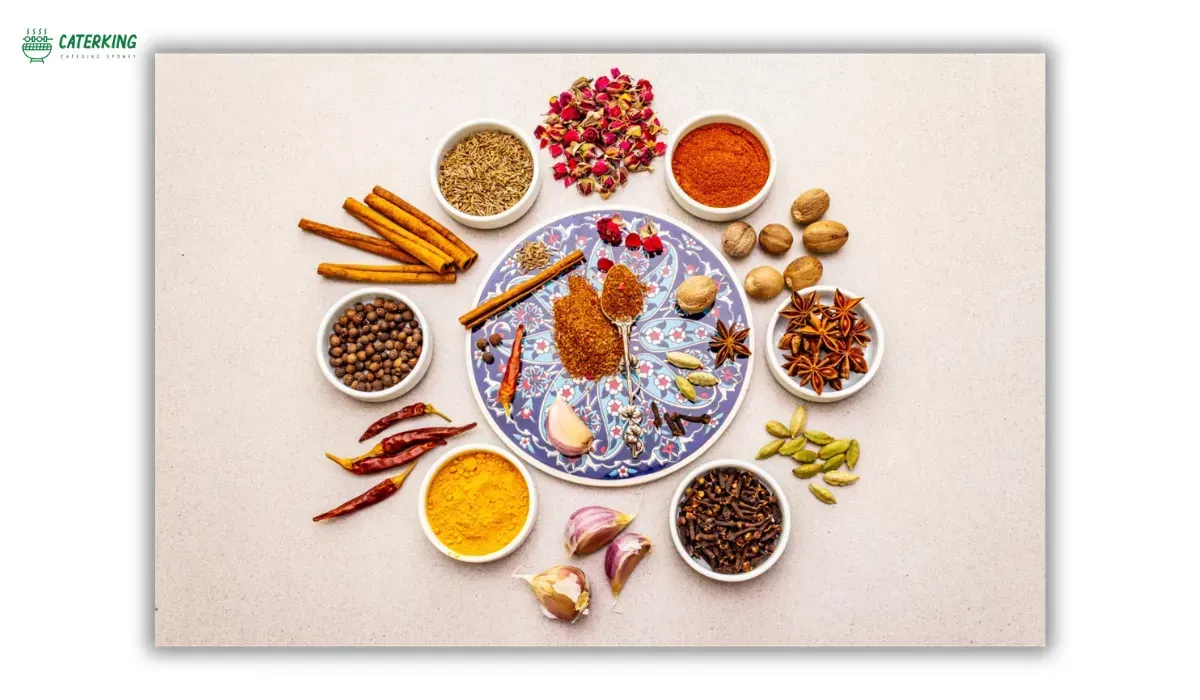
Ras el hanout is a spice blend containing 10-30 spices including cardamom, nutmeg, pepper, turmeric, and sometimes rose petals. The name translates to "head of the shop," indicating the merchant's best blend. No standard recipe exists, each vendor creates a signature combination.
Cumin and coriander form the backbone of the blend and of Moroccan cooking generally. These two spices appear in virtually every savory dish, providing earthy depth that defines the cuisine. Freshly ground spices deliver superior flavor and pre-ground alternatives lose volatile oils within weeks of grinding.
A basic ras el hanout includes equal parts cumin, coriander, cardamom, cinnamon, and ginger, with smaller amounts of cloves, nutmeg, and turmeric. Toasting whole spices in a dry pan until fragrant (2-3 minutes) before grinding preserves aromatic compounds that heat activates.
Sweet-Savory Ingredient Philosophy
Preserved lemon is a cornerstone ingredient. The fermented citrus rind develops intense lemon flavor over weeks of curing in salt and lemon juice. The salty, intensely aromatic rind transforms simple preparations into complex flavor experiences that fresh lemon cannot replicate.
Honey appears in both savory and sweet preparations. Drizzled over lamb tagines, mixed into marinades for grilled meats, or served alongside cheese, honey provides the sweet counterpoint to preserved lemon's intensity and meat's richness.
Olives and dried fruits including apricots, dates, and raisins appear in savory meat dishes. These ingredients simmer in tagines, releasing their flavors into the sauce while maintaining their own texture and character. The combination of savory meat, sweet fruit, and salty olive creates the layered complexity that defines Moroccan tagines.
Traditional Moroccan Dishes for Finger Food
These traditional preparations translate well to party format. Each dish requires eating in 2-3 bites maximum, suiting cocktail service and standing eating.
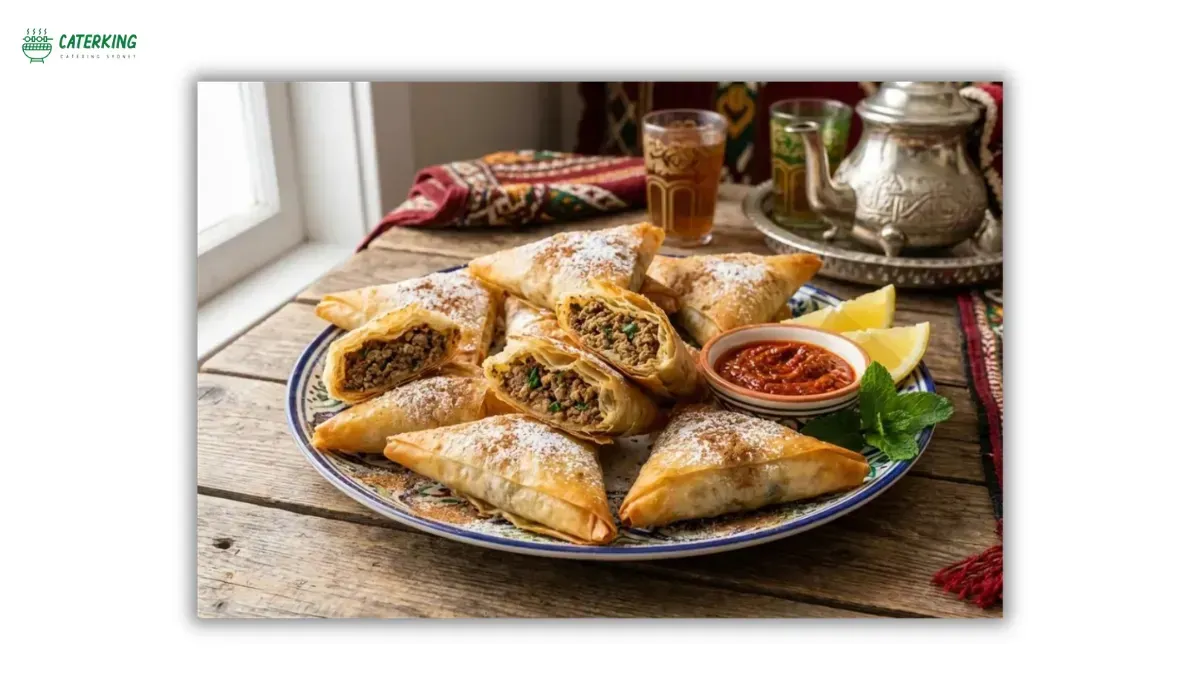
Briouats (Moroccan Pastries)
Briouats are triangular pastries filled with spiced meat, fried until golden and crispy. They are the quintessential Moroccan finger food, appearing at every Moroccan celebration from weddings to birthday parties.
The filo pastry wrapper creates crispy texture that contrasts with the moist, spiced filling. The triangular shape results from folding the rectangular pastry into a cone, creating elegant appearance that photographs well.
Ingredients (serves 20-24):
- 300g minced lamb
- 2 tablespoons ras el hanout
- 1 teaspoon cinnamon
- 1 tablespoon honey
- 50g pine nuts
- 1/4 cup parsley, chopped
- 1 packet filo pastry
- 1 egg white for sealing
Method: Brown lamb with onion, add spices and honey, stir in pine nuts and parsley. Cool completely. Cut filo into rectangles (15cm x 30cm). Place filling at one end, fold into triangle, continue folding until reaching the end. Seal with egg white. Brush with oil. Bake at 190°C for 15-18 minutes until golden.
Time: 35 minutes total
Serves: 20-24 pieces
Kefta Skewers
Kefta are spiced minced meat patties shaped around skewers, grilled and served with dipping sauces. The format requires minimal plating and eats with hands, suiting standing service.
Ingredients (serves 20-24):
- 500g minced lamb
- 2 tablespoons ras el hanout
- 1 teaspoon cumin
- 1/2 cup parsley, finely chopped
- 1/4 cup breadcrumbs
- 2 cloves garlic, minced
- Salt to taste
Method: Combine all ingredients thoroughly. Shape into cylinders (8cm long, 2cm thick) around skewers. Grill over medium-high heat for 3-4 minutes per side. Serve with tahini mixed with harissa and lemon.
Time: 25 minutes total
Serves: 20-24 skewers
Easy Moroccan Finger Food Recipes
These recipes deliver Moroccan flavors in accessible formats requiring minimal equipment.
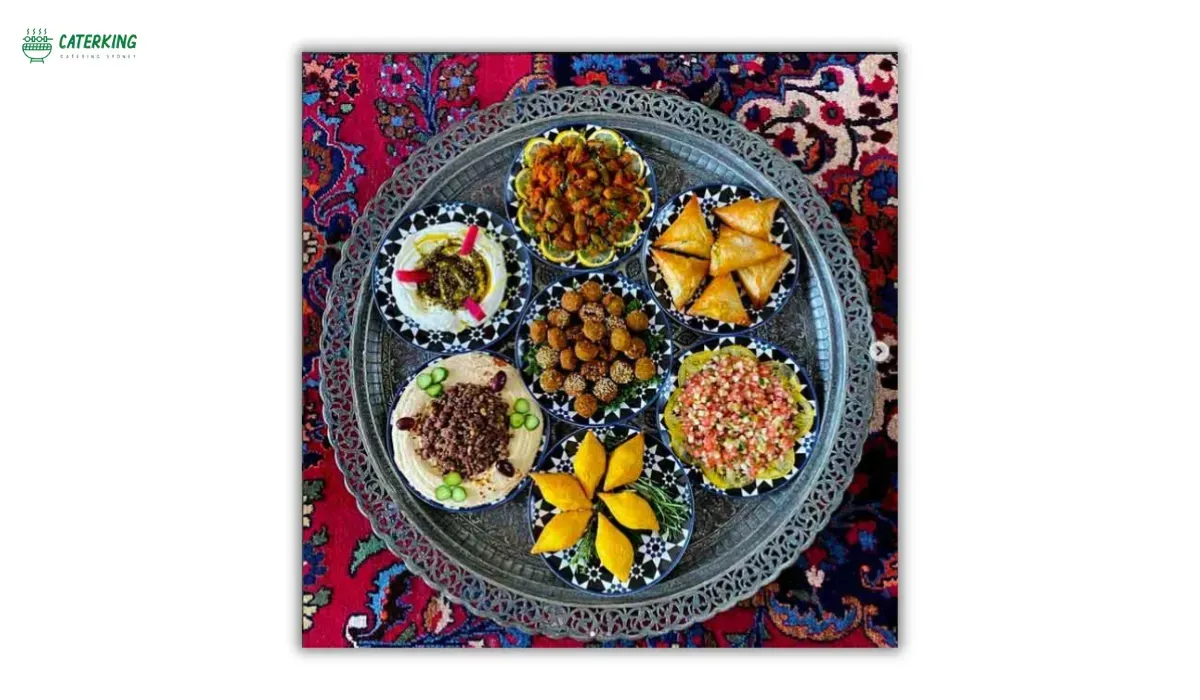
Kefta Balls with Harissa Yoghurt
Kefta balls are spiced minced meat formed into small balls, baked and served with yoghurt sauce. This recipe requires only an oven, making it accessible for home cooks without grilling facilities.
Ingredients: 500g minced lamb, 2 tablespoons ras el hanout, 1/4 cup parsley, 1/4 cup breadcrumbs, 1 egg. For sauce: 1 cup Greek yoghurt, 2 tablespoons harissa, juice of 1 lemon.
Method: Combine lamb with spices, parsley, breadcrumbs, and egg. Roll into balls (3cm diameter). Bake at 200°C for 15-18 minutes. Mix yoghurt with harissa and lemon. Serve meatballs with sauce.
Serves: 24 meatballs
Time: 30 minutes
Chickpea Bites
Chickpea bites are spiced chickpea fritters served with yoghurt sauce. This vegetarian option delivers Moroccan flavors without meat.
Ingredients: 1 can (400g) chickpeas drained, 1 egg, 2 tablespoons flour, 1 teaspoon ras el hanout, 1/2 teaspoon cumin, salt, oil for frying.
Method: Mash chickpeas roughly, leaving texture. Mix in egg, flour, and spices. Form into small balls. Fry in 1cm oil until golden, 3-4 minutes per side. Serve with harissa yoghurt.
Serves: 20-24 bites
Time: 20 minutes
Preserved Lemon Olive Tapenade
A paste of preserved lemon, olives, capers, and olive oil served with bread. No cooking required.
Ingredients: 1/2 cup preserved lemon rind, 1 cup kalamata olives, 2 tablespoons capers, 3 tablespoons olive oil, 1 clove garlic.
Method: Rinse preserved lemon to remove excess salt. Blend all ingredients until coarse paste forms. Serve with crusty bread.
Serves: 12-16
Time: 10 minutes
Best Ideas for Moroccan Finger Food Success
Recipe success depends on specific techniques. These practices ensure authentic results.
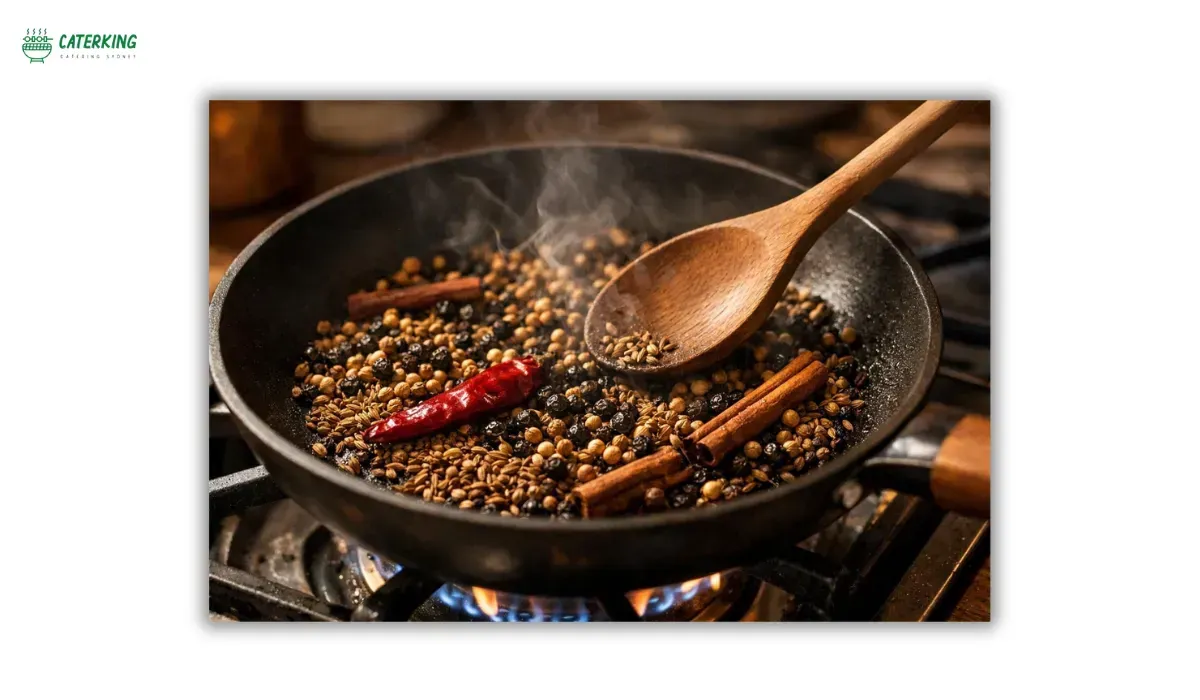
Build Spice Blends from Scratch
Ras el hanout quality depends on whole spices ground fresh. Pre-made blends vary in freshness, authenticity, and proportion. Ground spices lose volatile oils within weeks of grinding, reducing aromatic impact.
Toast whole spices (cumin, coriander, cardamom, cloves) in a dry pan over medium heat until fragrant, approximately 2-3 minutes. The spices release aromatic compounds when heated, which grinding then preserves. Grind while warm using a spice grinder or mortar and pestle. Combine with cinnamon, turmeric, and ginger. Store in sealed container away from light for up to 3 months.
Balance Sweet and Savory Elements
Moroccan cuisine pairs sweet ingredients (honey, dried fruits) with savory preparations (meats, preserved lemon). This balance creates the signature complexity that defines the flavor. Ignoring this balance produces flat, one-dimensional results.
Add honey or preserved lemon to savory dishes. Include dried apricots or dates in meat preparations. Taste throughout cooking and adjust until the combination creates layered complexity.
Prepare Ahead for Party Success
Moroccan flavors develop and improve overnight. Spices penetrate meat more deeply during resting periods. This make-ahead capability suits party hosting by reducing day-of preparation requirements.
Cook kefta and meatballs completely, then refrigerate for up to 2 days. Reheat in 180°C oven for 10-15 minutes before serving. Prepare dipping sauces the day before flavors meld during resting.
Where to Buy Moroccan Ingredients in Australia
Australian supermarkets stock most basic spices. Specialty shops provide harder-to-find items.
Major Supermarkets
Coles and Woolworths stock cumin, coriander, turmeric, cinnamon, and paprika. Ground spices cost $3-5 per container. Ground spices degrade rapidly after opening — purchase in small quantities and use within 2-3 months.
Check international aisles for harissa paste and tahini at larger stores. The international section varies significantly between locations.
Specialty Shops
Middle Eastern grocery stores stock preserved lemons ($5-10 per jar), harissa paste ($6-12 per tube), rose water ($5-8 per bottle), and argan oil ($20-40 per bottle). Asian supermarkets often stock similar items at lower prices.
FAQs About Moroccan Finger Food
Home cooks ask specific questions about Moroccan cooking and party planning. These answers address common concerns with practical guidance.
What spices define Moroccan cooking?
Cumin, coriander, cinnamon, turmeric, paprika, and ras el hanout define Moroccan cooking. Ras el hanout is the master blend containing 10-30 spices unique to each merchant. Cumin and coriander form the backbone of virtually every savory dish. Cinnamon appears in both savory tagines and sweet pastries.
Turmeric provides color and earthy flavor. These spices combine to create the distinctive profile that sets Moroccan food apart from other cuisines.
Can I make Moroccan finger food ahead of time?
Moroccan finger food prepares ahead successfully because flavors develop and improve overnight. Cook kefta, meatballs, and briouats completely, then refrigerate for up to 2 days. Reheat in 180°C oven for 10-15 minutes before serving. The make-ahead capability reduces day-of stress significantly and allows hosts to focus on guests rather than kitchen preparation.
What vegetarian Moroccan finger food options exist?
Vegetarian Moroccan options include chickpea bites, preserved lemon olive tapenade, and spiced roasted vegetables. These preparations deliver authentic flavors without meat. Chickpea bites provide protein and satisfying texture. Tapenade requires no cooking and serves immediately with bread. The vegetarian options hold their own against meat dishes in flavor and appeal.
What drinks pair with Moroccan finger food?
Mint tea is the traditional Moroccan beverage, providing sweet refreshment between savory bites. For alcoholic options, Gewürztraminer or off-dry Riesling complement the sweet-savory flavors. Light beer works with spiced dishes without overpowering. Avoid heavily oaked wines and tannic reds that conflict with Moroccan spice profiles.
Is Moroccan finger food suitable for outdoor events?
Yes. Moroccan finger food suits outdoor events because most dishes maintain quality at room temperature. Avoid dishes with dairy-based sauces that spoil in heat. Kefta, briouats, and tapenade travel well without temperature concerns. The make-ahead nature of Moroccan cooking reduces day-of preparation stress for outdoor entertaining in Australian climates.
For events requiring professional Moroccan catering, explore finger food catering options that deliver authentic Moroccan-inspired menus to venues across Australia.
Let Catering Sydney elevate your catering experience - Get in touch with us now!
You might also like