Authentic Thai Food: Traditional Dishes and Guide
Authentic Thai food is cuisine from Thailand prepared using specific ingredients (lemongrass, galangal, fish sauce, palm sugar, kaffir lime leaves) combined through traditional techniques (pounding curry pastes, wok stir-frying, balancing five flavors within single dishes). The cuisine originated through geographic influences across four regions, where available ingredients determined regional specialties from mountainous Chiang Mai in the north to the peninsular coast in the south.
Thai cuisine distinguishes itself from neighboring cuisines (Vietnamese, Chinese, Indian) through the mandatory inclusion of five flavors (sweet, sour, salty, bitter, spicy) within individual dishes. Vietnamese cuisine often emphasizes single flavor dimensions. Chinese cuisine varies by region but typically balances fewer flavors per dish. Indian cuisine integrates multiple flavors but uses different spice combinations and preparation methods. Thai cooking specifically requires simultaneous presence of sweet, sour, salty, bitter, and spicy elements for authentic taste profiles.
For events requiring professional Thai-inspired catering, explore Thai catering options that include custom menu planning and authentic dishes across Australia.
KEY TAKEAWAYS
- Thai cuisine combines five flavors per dish: sweet, sour, salty, bitter, and spicy within every dish
- Four regional variations exist: Northern, Central, Northeastern, and Southern Thai cuisines use different ingredients and techniques
- Fresh herbs define Thai cooking, lemongrass, galangal, kaffir lime, and basil appear in most authentic dishes
- Australian supermarkets stock Thai ingredients, Asian grocers provide specialty items including fresh herbs
- Authentic curry paste requires fresh ingredients, pre-made pastes sacrifice flavor for shelf stability
- Street food culture represents Thai dining ,casual, fast, and intensely flavored
- Coconut milk appears throughout Thai cooking in curries, soups, and desserts
Thai Food Fundamentals
Thai cuisine combines five flavors in each dish through specific ingredient combinations and cooking techniques. The five-flavor requirement distinguishes Thai food from cuisines that emphasize single flavor dimensions.

The Five Flavors Balance
Thai cooking combines sweet (palm sugar, coconut milk), sour (lime juice, tamarind), salty (fish sauce, shrimp paste), bitter (bitter melon, eggplant), and spicy (fresh and dried chilies) within every dish. The balance varies by dish type, regional tradition, and personal preference. A single dish may contain all five flavors with each contributing distinct notes.
This flavor philosophy contrasts with cuisines emphasizing single flavor profiles. Italian cuisine often centers on tomato sweetness or cheese richness. French cuisine highlights butter and cream. Thai cuisine specifically requires simultaneous presence of multiple flavors for the dish to taste "complete" to Thai palates.
Authentic Thai cooking adjusts these flavors throughout the cooking process based on ingredient characteristics and the cook's judgment. A skilled Thai cook tastes and adjusts without using precise measurements, similar to how Italian grandmothers add salt and pepper "until it tastes right."
The Role of Fresh Herbs
Fresh herbs distinguish Thai cuisine from other Asian cooking traditions. These aromatics provide flavor compounds that processed alternatives cannot replicate.
Lemongrass is a tall grass with citrus flavor used in soups, curries, and stir-fries. The bottom portion of the stalk (approximately the lower 10cm) provides the most intense flavor. Outer layers are removed before slicing the tender interior.
Galangal is a rhizome similar in appearance to ginger but with distinct citrusy, peppery flavor. It appears in Tom Yum, green curry paste, and many soup bases. Galangal holds its texture during long cooking unlike ginger which softens.
Kaffir lime leaves provide citrusy, slightly bitter fragrance. The leaves are torn (not chopped) before adding to curries and soups, releasing aromatic oils. Whole leaves typically remain in finished dishes for presentation.
Holy basil (bai gaprow) has peppery, slightly spicy flavor with reddish-purple stems. Thai sweet basil (bai horapa) has purple stems and anise-like, slightly sweet flavor. Each basil suits specific dishes, and substituting one for another produces different flavor profiles.
Traditional Thai Dishes
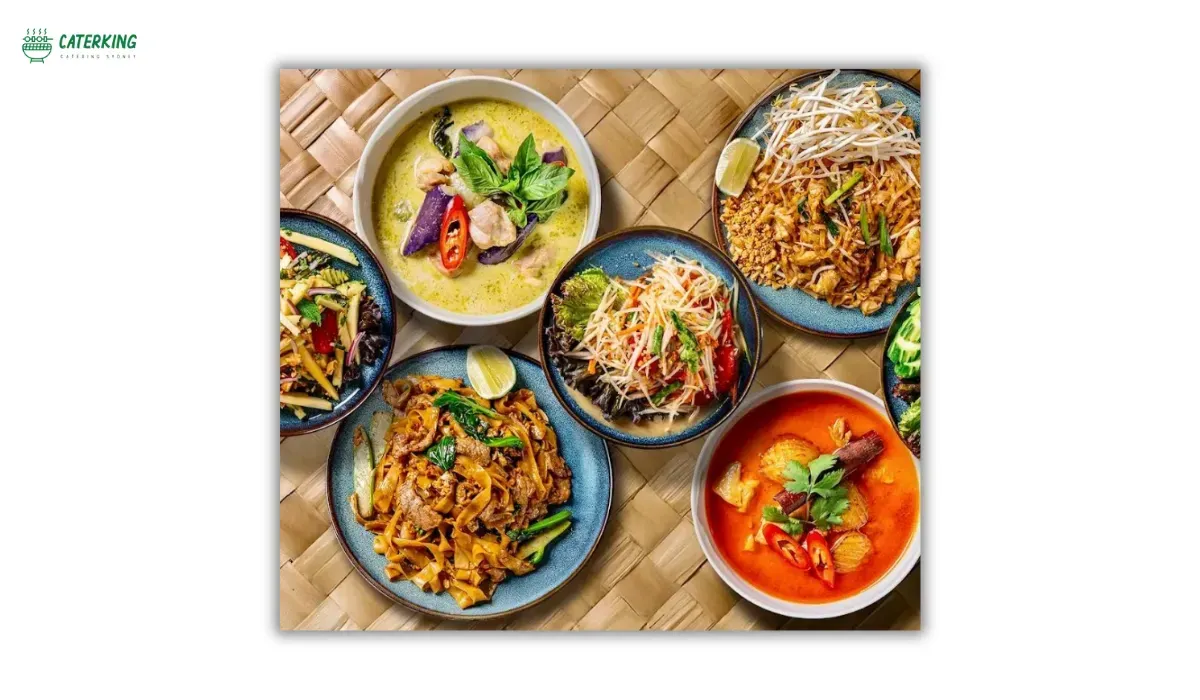
Traditional Thai dishes represent specific flavor combinations and cooking techniques developed over centuries. Each dish demonstrates how Thai cooking balances the five flavors.
Pad Thai
Pad Thai is a stir-fried rice noodle dish with tamarind sauce, egg, tofu, and bean sprouts. The dish gained international popularity in the 20th century through Thai government promotion, but the techniques and flavor profile developed earlier.
Method: Soak rice noodles until pliable. Heat wok over high heat. Add oil and garlic. Stir-fry soaked noodles with tamarind paste, fish sauce, and palm sugar. Push noodles aside, scramble egg in the wok, then combine. Add tofu, bean sprouts, and Chinese chives. Toss with crushed peanuts and lime wedge.
The cooking technique requires extremely high heat (wok hei) and constant motion to prevent noodles from sticking. Quality Pad Thai achieves slight caramelization on noodle edges while maintaining chew. The dish should taste simultaneously sweet, sour, salty, and slightly spicy with textural contrast from crunchy sprouts and peanuts.
Tom Yum Soup
Tom Yum is a hot and sour soup with shrimp, mushrooms, and aromatic herbs. The dish represents the flavor philosophy central to Thai cuisine.
Ingredients: Stock, lemongrass (smashed), galangal (sliced), kaffir lime leaves, Thai chilies, oyster mushrooms, shrimp, lime juice, fish sauce, cilantro.
Method: Bring stock to boil with lemongrass, galangal, kaffir lime leaves, and chilies. Simmer 5 minutes to extract herb flavors. Add mushrooms and shrimp. Cook until shrimp turns pink. Remove from heat. Add fish sauce and lime juice. Garnish with cilantro.
Authentic Tom Yum has clear broth (not coconut milk based, which creates Tom Yum Nam Khon variant). The soup should taste intensely sour from lime, salty from fish sauce, and spicy from chilies, with aromatic complexity from the herb base.
Green Curry
Thai green curry is a coconut-based curry with green chili paste, vegetables, and protein. The green color comes from fresh green chilies (rather than dried red chilies used in red curry) ground into the curry paste.
Ingredients: Green curry paste (fresh or quality store-bought), coconut milk, Thai eggplants, bamboo shoots, protein (chicken, tofu, or fish), fish sauce, palm sugar, Thai basil.
Method: Heat thick coconut cream until oil separates. Add curry paste and fry until fragrant. Add protein and stir to coat. Pour in remaining coconut milk. Add vegetables. Simmer until vegetables are tender. Season with fish sauce and palm sugar. Finish with Thai basil leaves.
Quality green curry balances chili heat with coconut richness and aromatic complexity from the paste. The curry should be vibrant green, not olive or brown, indicating use of fresh chilies rather than old paste.
Som Tum (Papaya Salad)
Som Tum is a spicy green papaya salad originating from Northeastern Thailand. The dish demonstrates the pounding technique central to Thai cooking.
Ingredients: Shredded green papaya, tomatoes, long beans, peanuts, dried shrimp, chili, lime juice, fish sauce, palm sugar.
Method: Pound chili and garlic in mortar. Add palm sugar, fish sauce, and lime juice, pounding to dissolve sugar. Add papaya, tomatoes, and long beans. Pound gently to bruise ingredients while maintaining crunch. Toss with peanuts and dried shrimp.
Authentic Som Tum from Northeastern Thailand tends to be extremely spicy with minimal sugar. The dish should taste predominantly sour, salty, and spicy, with sweetness as a supporting note.
Regional Thai Cuisine Variations
Thailand has four distinct culinary regions, each with unique ingredients, flavor profiles, and signature dishes. For larger gatherings requiring authentic Thai cuisine, explore Asian food catering services that offer regional specialties.

Northern Thai Cuisine
Northern Thai cuisine reflects the cooler climate and proximity to Myanmar and Yunnan. The region uses glutinous rice (khao niao) as the staple grain.
Khao Soi is the signature dish: coconut curry broth with egg noodles, chicken or beef, and pickled mustard greens. The broth combines coconut milk with curry paste for richness and spice, served over boiled and fried egg noodles for textural contrast.
Northern cuisine uses fermented pork (namprik) and bitter herbs more frequently than other regions. Burmese influences appear in dishes like naem (fermented pork) and lahpet (tea leaf salad adapted from Myanmar).
Northeastern Thai Cuisine (Isan)
Northeastern Thailand (Isan) shares cultural and linguistic ties with Laos. The cuisine emphasizes sticky rice, grilled meats, and chili heat.
Larb is a minced meat salad with toasted rice powder (khao khua), herbs, lime, fish sauce, and chili. The dish showcases the sour-salty-spicy balance characteristic of Isan food. Toasted rice powder provides nutty flavor and textural variation.
Som Tum and grilled chicken (gai yang) represent Isan street food culture. The cuisine tends to be spicier and less sweet than Central Thai food, reflecting regional preferences and ingredient availability.
Central Thai Cuisine
Central Thai cuisine represents what most international diners recognize as Thai food. The region produces Pad Thai, Green Curry, and Massaman Curry.
Bangkok street food showcases this balance in dishes like boat noodles (kuay teow reua), pad see ew (broad noodle stir-fry), and various noodle soups. Central cuisine uses jasmine rice as the staple grain.
Southern Thai Cuisine
Southern Thailand's tropical climate and significant Muslim population influence the cuisine. The region uses coconut milk extensively and includes richer, creamier curries.
Massaman Curry reflects Persian and Indian influence through spices like cardamom, cinnamon, and star anise combined with Thai ingredients like fish sauce and lime. The curry is milder and sweeter than other Thai curries.
Seafood dominates due to the coastal geography. Fresh fish, crab, and shrimp appear in curries, stir-fries, and soups. Southern cuisine uses turmeric (kamin) and mackerel more than other regions.
Essential Thai Ingredients
These ingredients help identify authentic preparations and enable home cooking. For comprehensive Thai cooking needs, explore catering services that provide ingredient sourcing and preparation guidance.

Curry Pastes
Thai curry paste is a mixture of chilies, herbs, and spices ground together. Each curry variety (green, red, yellow, massaman, penang) has a specific paste composition.
Green curry paste: green chilies, garlic, shallots, lemongrass, galangal, kaffir lime peel, coriander roots, white pepper, shrimp paste, salt.
Red curry paste: dried red chilies, garlic, shallots, lemongrass, galangal, kaffir lime peel, coriander roots, shrimp paste, salt.
Making curry paste from scratch produces superior flavor compared to pre-made versions. A mortar and pestle (or small food processor) grinds ingredients into cohesive paste. The process takes 15-20 minutes but yields significantly more aromatic results.
Sauces and Condiments
Fish sauce (nam pla) is fermented fish liquid providing salt and umami. Quality fish sauce smells briny without being overpowering. The color should be transparent amber rather than dark brown (which indicates excessive caramelization or extended fermentation).
Shrimp paste (kapi) is fermented shrimp ground into paste. It provides funky, salty depth to curries and chili dips. The paste smells intensely pungent before cooking but mellows dramatically during heating.
Tamarind paste comes from tamarind fruit pulp, providing sour flavor. Quality paste lists only tamarind (or tamarind and water) without added sugar or preservatives for authentic sourness.
Where to Find Authentic Thai Food in Australia
Australian cities have Thai restaurants ranging from tourist-oriented to genuinely authentic. Finding quality requires knowing what to look for.

What to Look For
Authentic Thai restaurants typically have Thai ownership and Thai-speaking staff. The menu should include regional dishes beyond Pad Thai and Green Curry. Prices should reflect quality ingredients without extreme markup.
Look for restaurants serving regional specialties like Khao Soi (Northern), Larb (Northeastern), or authentic Tom Yum with proper sour-spicy balance. Staff should recommend specific dishes rather than everything equally. Fresh herbs (visible lemongrass stalks, kaffir lime leaves) in dishes indicate attention to authenticity.
Thai grocery stores in areas with Thai populations indicate community support for authentic ingredients. Sydney CBD, Melbourne Richmond, and Brisbane suburbs have restaurants serving Thai-Thai food rather than Thai-Australian adaptations.
Ingredient Shopping in Australia
Australian supermarkets stock basic Thai ingredients. Coles and Woolworths carry fish sauce, coconut milk, rice noodles, curry paste, and jasmine rice. Asian grocers provide greater selection including fresh lemongrass, galangal, and Thai basil.
Thai specialty shops in major cities stock hard-to-find items. Frozen lemongrass, fresh kaffir lime leaves, and quality curry pastes appear at Thai grocery stores. These shops also supply ingredients for regional Thai cuisines.
FAQs About Authentic Thai Food
Specific questions arise when exploring authentic Thai food. These answers address common concerns with practical guidance.
Is Thai food naturally spicy?
Yes, Thai cuisine traditionally uses fresh and dried chilies in many dishes. However, spice levels vary significantly by region and dish. Northeastern Thai cuisine (Isan) tends to be extremely spicy in dishes like Som Tum and Larb. Central Thai cuisine balances spice with sweetness in dishes like Pad Thai.
Southern Thai cuisine uses less chili heat in Massaman Curry. Restaurants in Australia typically adjust spice levels for local preferences. Requesting "Thai spicy" or "authentic Thai spicy" communicates preference for traditional heat levels.
What makes Thai food authentic?
Authentic Thai food uses traditional ingredients prepared according to established techniques. Key indicators include: fresh herbs (lemongrass, galangal, kaffir lime, Thai basil); quality curry paste made from fresh ingredients or authentic pre-made versions; balanced five flavors (sweet, sour, salty, bitter, spicy) detectable in each dish; and regional accuracy (Northern Khao Soi, Northeastern Larb, Southern Massaman). Authenticity requires attention to traditional techniques and ingredients rather than Thai nationality of the chef.
What is the difference between Thai basil and Italian basil?
No, these are different herbs with distinct flavor profiles. Thai basil (horapa) has purple stems and slightly serrated leaves with anise-like, slightly spicy flavor. Italian basil (sweet basil) has green stems and rounder leaves with sweet, peppery flavor. Thai basil holds its flavor better during high-heat cooking, making it suitable for stir-fries and curries. Italian basil loses flavor compounds quickly when heated, making it better for fresh applications like Caprese salad or finishing pasta. Substituting Italian basil for Thai basil in stir-fries produces noticeably different flavor results.
Why does Thai food use fish sauce?
Fish sauce (nam pla) functions as the primary salt source in Thai cooking while providing umami depth. Fermented fish contains protein-derived glutamates that create savory flavor beyond simple saltiness. Fish sauce adds complexity without the single-note saltiness of table salt. Quality fish sauce smells briny and fishy in the bottle but mellows during cooking, leaving only savory depth. Vegetarians can substitute light soy sauce or mushroom-based seasoning, though the flavor profile differs from fish sauce.
What should I order at an authentic Thai restaurant?
Ordering dishes representing different cooking techniques and flavor profiles creates a balanced Thai meal experience. Recommended dishes: Pad Thai showcases stir-fry technique with balanced flavors. Tom Yum demonstrates sour-spicy soup profile.
Green Curry illustrates coconut-based curry. Som Tum provides salad with crunchy texture and pounding technique. Larb (when available) shows Northeastern regional cuisine. Staff recommendations beyond tourist-oriented menu items often indicate authentic focus. Regional specialties on the menu suggest kitchen capability beyond standard Thai-Australian offerings.
For events requiring professional Thai-inspired catering, explore Thai-inspired event catering that includes custom menu planning and professional service across Australia.
Let Catering Sydney elevate your catering experience - Get in touch with us now!
You might also like