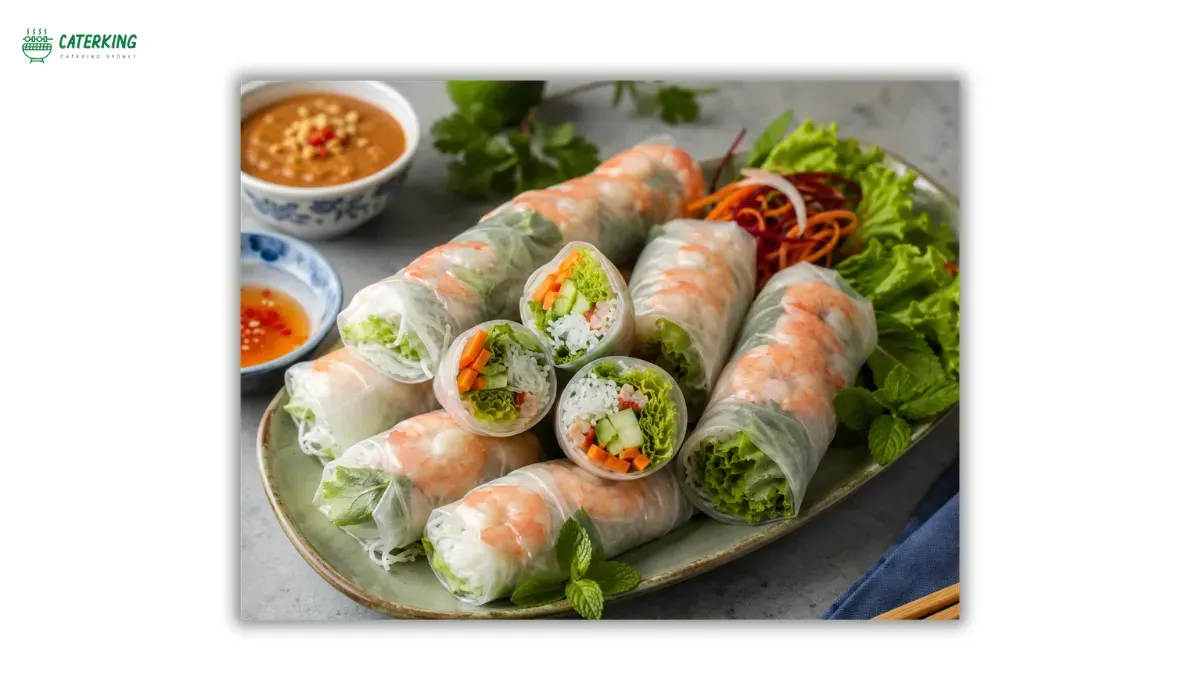
Plant Based Japanese Food: Recipes and Ingredient Guide
Plant based Japanese food consists of dishes from Japanese cuisine prepared without meat, fish, or animal-derived ingredients. Traditional Japanese cuisine developed over centuries with strong Buddhist influence, creating numerous vegetarian dishes that predate Western meat-heavy cooking. Modern adaptations use tofu, mushrooms, and vegetables to recreate familiar Japanese flavors without animal products.
Japanese cuisine relies on five fundamental tastes: sweet, salty, sour, bitter, and umami. Umami, the savory taste discovered through research on kombu, comes from fermented and aged ingredients including miso, soy sauce, and kombu. Plant based Japanese food achieves authentic flavors by substituting plant sources for umami including mushrooms, tomatoes, and fermented soy products.
For events requiring professional Japanese-inspired catering, explore Japanese-inspired catering that includes custom menu planning and plant-based options across Australia.
KEY TAKEAWAYS
- Japanese cuisine has strong Buddhist-influenced traditions, vegetarian dishes predate widespread meat consumption
- Kombu dashi is plant-based soup stock provides the umami foundation without fish products
- Tofu, eggplant, and king oyster mushrooms are staples, versatile ingredients for Japanese preparations
- Australian supermarkets stock most Japanese ingredients, Asian grocers for specialty items
- Mirin and sake contain alcohol, the alcohol evaporates during cooking
- Japanese cooking uses minimal oil preparation methods are naturally light
- Flavors develop overnight, dishes suit meal prep for busy schedules
Japanese Plant-Based Cooking Fundamentals
Japanese cuisine developed as a Buddhist-influenced culinary tradition emphasizing seasonal ingredients, simple preparation, and natural flavors. These fundamentals help home cooks adapt traditional recipes for plant-based cooking.
The Five Fundamental Tastes
Japanese cuisine aims to balance five tastes in each dish: sweet, salty, sour, bitter, and umami. Each taste serves specific functions in creating complete flavor profiles.
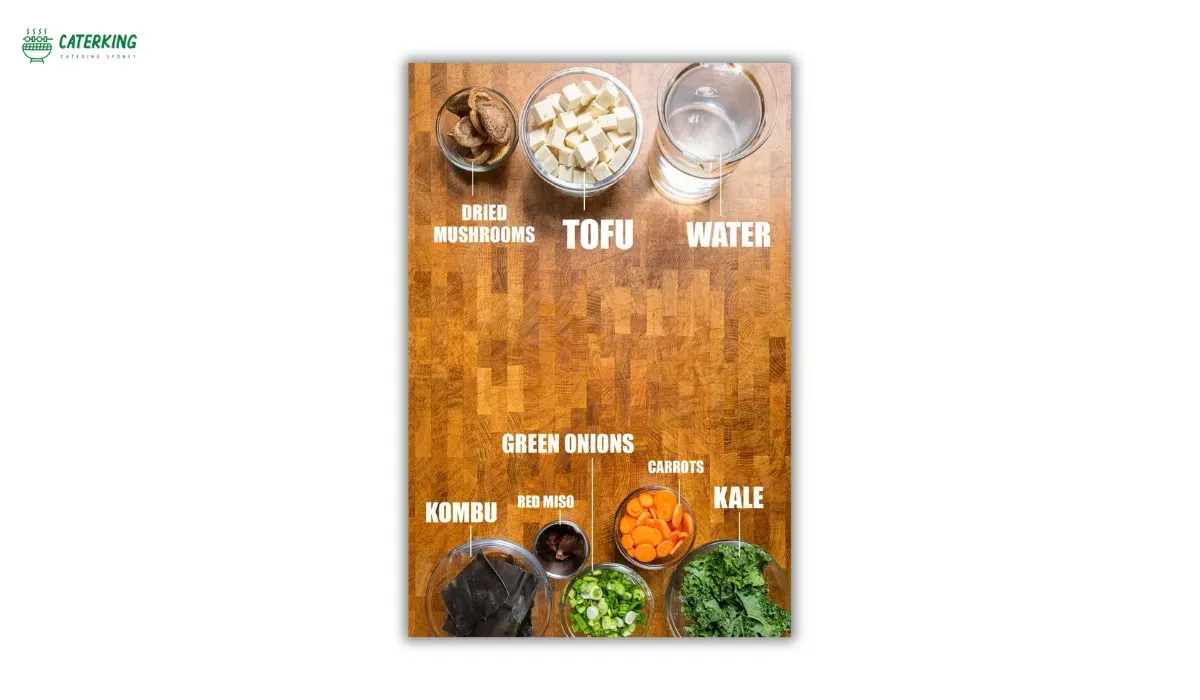
Sweet comes from mirin, sugar, or sweet vegetables like carrots. Salty comes from soy sauce and miso. Sour comes from rice vinegar or citrus. Bitter comes from leafy green vegetables or daikon greens. Umami comes from kombu, mushrooms, or miso.
Umami is the fifth taste category characterized by savory, brothy sensation. Research first identified umami through studying kombu (dried kelp) and its contribution to dashi broth. Umami triggers salivation and enhances perception of other flavors, creating satisfaction similar to meat-based dishes.
Kombu contains glutamic acid, the amino acid responsible for umami taste. Concentration increases when kombu soaks in water or simmers gently. Other plant-based umami sources include mushrooms (especially dried shiitake), tomatoes, nutritional yeast, and fermented products including miso and soy sauce.
Plant-Based Dashi Fundamentals
Dashi is Japanese soup stock providing the flavor base for miso soup, noodle broths, and braised dishes. Traditional dashi uses kombu and bonito flakes. Plant-based dashi replaces bonito with additional kombu or dried mushrooms.
Kombu dashi is soup stock made from dried kelp, providing umami without any animal products. Preparation involves soaking kombu in water for several hours or simmering briefly to extract glutamic acid. This single ingredient provides the foundation for most Japanese soups and braises.
Shiitake-kombu dashi combines dried shiitake mushrooms with kombu for enhanced umami. The mushrooms add earthy depth that kombu alone cannot provide. This combination replicates traditional dashi complexity while remaining entirely plant-based.
Essential Plant-Based Japanese Ingredients
These ingredients form the basis of Japanese plant-based cooking and are available in Australian supermarkets.
Protein Sources
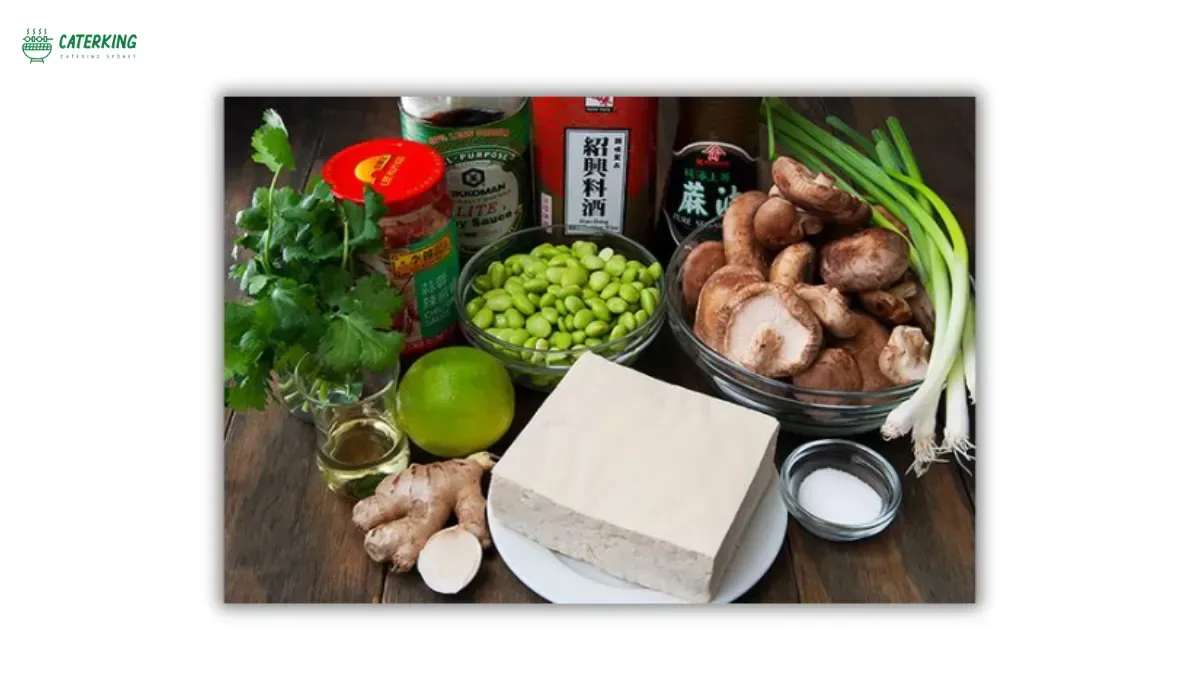
Tofu is fermented soy milk pressed into blocks, available in silken, soft, firm, and extra-firm varieties. Silken tofu suits soups and desserts with its delicate texture. Firm and extra-firm tofu hold shape in stir-fries, grilling, and crumbed preparations. Tofu absorbs surrounding flavors, making it ideal for Japanese seasonings.
Tempeh is fermented whole soybeans bound into cakes. The fermentation process creates nutty flavor and firm texture. Tempeh suits kebabs, stir-fries, and crumbed preparations where its dense texture holds up to cooking.
Edamame is young soybeans in the pod, available fresh or frozen. Steam or boil pods, sprinkle with salt, and serve as appetizer. The beans provide protein and fiber requiring minimal preparation.
Vegetables and Mushrooms
Daikon is a large white radish with mild flavor and crisp texture. Japanese cooking uses daikon in pickles, salads, and simmered dishes. The flesh cooks to tender while maintaining structure.
King oyster mushrooms have thick stems and meaty texture. The stems slice into steaks suitable for grilling. The caps hold structure in soups and stir-fries.
Shiitake mushrooms provide intense umami when dried and reconstituted. The drying process concentrates glutamic acid, creating powerful flavor impact. Fresh shiitake work in lighter preparations.
Sauces and Condiments
Soy sauce (shoyu) is fermented soybean and wheat liquid providing salt and umami. The fermentation process creates complex flavors that enhance savory dishes.
Miso is fermented soybean paste providing salt, umami, and depth. White miso (shiro miso) offers mild, sweet flavor suitable for soups and dressings. Red miso provides stronger, saltier flavor for marinades.
Mirin is sweet rice wine with lower alcohol content than sake. The sweetness balances salty soy sauce in teriyaki and glazes.
Easy Plant-Based Japanese Recipes
These dishes deliver authentic Japanese flavors without animal products, suitable for weeknight dinners.
Miso Soup with Kombu Dashi
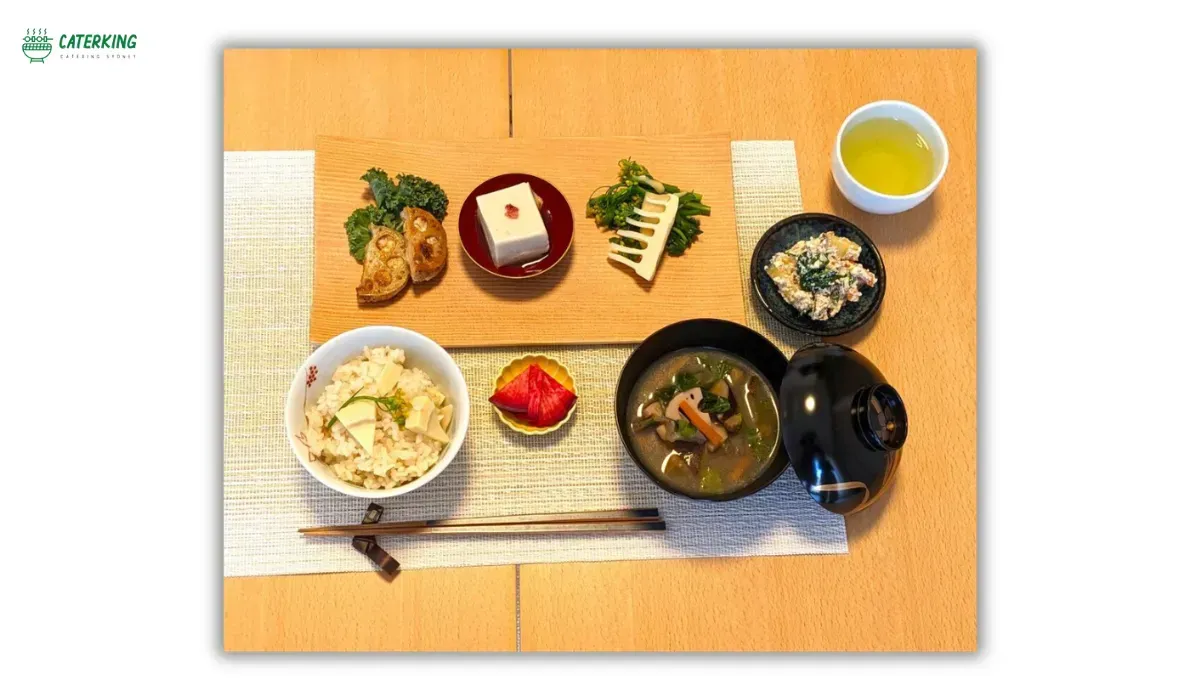
Miso soup with kombu dashi is a traditional Japanese soup using fermented soybean paste in plant-based broth. The soup provides warmth and the signature comfort of Japanese cuisine.
Ingredients: 4 cups water, 1 piece kombu (10cm), 3 tablespoons white miso, 200g silken tofu cubed, 1 tablespoon dried wakame seaweed, 2 green onions sliced.
Method: Soak kombu in water for 2 hours or overnight. Heat gently until small bubbles form around kombu. Remove kombu before boiling. Dissolve miso in small amount of broth before stirring into pot. Add tofu and wakame. Heat gently without boiling. Garnish with sliced green onions.
Time: 15 minutes with pre-soaked kombu
Serves: 4
Tofu Teriyaki
Tofu teriyaki is firm tofu sliced and glazed with soy-based sauce, pan-fried until crispy outside and tender inside. This dish works well for meal prep, as the tofu absorbs flavors deeply overnight. For larger gatherings or meal planning needs, explore catering services that offer plant-based Japanese options.
Ingredients: 400g firm tofu pressed and sliced, 3 tablespoons soy sauce, 2 tablespoons mirin, 1 tablespoon sake, 1 teaspoon sugar, 1 tablespoon vegetable oil, sesame seeds, green onions.
Method: Press tofu for 20 minutes to remove excess water. Slice into rectangles 1cm thick. Mix soy sauce, mirin, sake, and sugar for teriyaki sauce. Heat oil in frying pan over medium-high heat. Pan-fry tofu until golden on both sides, approximately 3-4 minutes per side. Add teriyaki sauce to pan, allowing it to reduce and coat tofu. Garnish with sesame seeds and sliced green onions.
Time: 30 minutes
Serves: 4
Vegetable Tempura
Vegetable tempura is a light batter fried until crispy, coating vegetables including sweet potato, pumpkin, eggplant, and green beans.
Ingredients: 1 cup plain flour, 1 tablespoon cornstarch, 1 cup ice-cold water, vegetables for frying, vegetable oil for deep frying, tentsuyu dipping sauce.
Method: Mix flour and cornstarch without overworking. Add ice water just before frying. Heat oil to 170-180 degrees Celsius. Dip vegetables in batter, allowing excess to drip off. Fry until golden, approximately 2-3 minutes. Drain on rack. Serve immediately with tentsuyu sauce.
Time: 30 minutes
Serves: 4
Okonomiyaki (Cabbage Pancakes)
Okonomiyaki is a savory cabbage pancake with crispy exterior and soft interior, topped with sauce and vegan mayo.
Ingredients: 1 cup shredded cabbage, 1/2 cup plain flour, 1/2 cup water, 1 tablespoon soy sauce, 1 teaspoon dashi powder (plant-based), 4 shiitake mushrooms sliced, okonomiyaki sauce, vegan mayo, dried nori strips.
Method: Mix flour, water, soy sauce, and dashi powder until smooth. Add shredded cabbage and shiitake. Heat frying pan with oil. Pour mixture to form pancakes approximately 2cm thick. Cook until bubbles form on surface and base is golden, approximately 4-5 minutes. Flip and cook other side. Top with okonomiyaki sauce, vegan mayo, and nori strips.
Time: 25 minutes
Serves: 4
Japanese Plant-Based Cooking Techniques
Recipe success depends on specific techniques. These methods ensure authentic results at home.

Master Kombu Dashi Preparation
Kombu dashi is soup stock made from dried kelp, providing the umami foundation for most Japanese soups and braises without any animal products.
Kombu develops glutamic acid through drying and storage. Older, more dried kombu provides stronger flavor than fresh-cut pieces. Look for kombu with visible white powder (natural glutamic acid crystals).
Soak kombu in cold water for 2-12 hours before heating. Longer soaking extracts more flavor. Heat water with kombu until small bubbles form around the kelp. Do not boil. Boiling creates bitter compounds and cloudy stock. Remove kombu before the water reaches full boil.
Store leftover dashi in refrigerator for up to 5 days or freeze for 3 months.
Achieve Proper Rice Texture
Japanese rice requires specific washing, soaking, and cooking methods to achieve the characteristic sticky texture that allows eating with chopsticks.
Wash rice by adding water, swirling gently, and draining immediately. Repeat 3-5 times until water runs nearly clear. This removes excess starch from the surface.
Soak washed rice in fresh water for 30-60 minutes before cooking. Cook using 1:1.1 to 1:1.2 water-to-rice ratio depending on rice variety. Electric rice cookers automate this process effectively.
Let cooked rice rest covered for 10 minutes before serving. This allows moisture to redistribute throughout the grains.
Where to Buy Japanese Ingredients in Australia
Australian supermarkets and specialty shops stock most Japanese ingredients for plant-based cooking.
Major Supermarkets
Coles and Woolworths stock soy sauce, miso paste, rice, rice vinegar, mirin, and tofu in the international and refrigerated sections. Firm and extra-firm tofu appear in refrigerated sections near specialty Asian products.
Asian supermarkets provide wider selection at lower prices. Springvale, Box Hill, and Cabramatta in Melbourne and Sydney have large Asian grocery stores with Japanese products.
Price Guide
| Ingredient | Price Range | Source |
|---|---|---|
| Firm tofu (500g) | $3-5 | Supermarket |
| White miso (300g) | $4-7 | Supermarket |
| Soy sauce (500ml) | $5-10 | Supermarket |
| Kombu (50g dried) | $5-10 | Asian supermarket |
| Japanese rice (2kg) | $8-15 | Supermarket |
FAQs About Plant-Based Japanese Food
Plant-based Japanese cooking raises specific questions. These answers address common concerns with practical guidance.
What is the best plant-based substitute for dashi?
kombu dashi (dried kelp soaked in water) provides the best plant-based substitute for traditional dashi. The soaking process extracts glutamic acid from kombu, creating the umami foundation that dashi provides. Shiitake-kombu dashi combines dried shiitake mushrooms with kombu for enhanced depth and complexity.
One piece of kombu (10cm) soaked in 4 cups water creates base dashi suitable for soups and braises. The combination replicates traditional dashi complexity while remaining entirely plant-based.
Is soy sauce vegetarian?
Yes, traditional soy sauce (shoyu) is brewed from soybeans, wheat, water, and salt through fermentation.
The fermentation process does not involve meat or fish products. However, some soy sauce varieties use ingredients derived from animals in the fermentation starter (koji). Tamari is soy sauce made without wheat, typically suitable for those avoiding wheat. Check labels for allergen information if avoiding specific ingredients.
How do I make tofu taste more substantial?
Press tofu for 20-30 minutes to remove excess water, creating firmer texture that holds marinades better. Freeze and thaw tofu before cooking to create spongy texture that absorbs flavors more deeply.
Crumble firm tofu and season aggressively to mimic ground meat in pasta sauces and scrambles. Slice firm tofu into steaks, marinate in strongly flavored liquids (soy sauce, ginger, garlic), and pan-fry until crispy edges develop.
What Japanese dishes are naturally plant-based?
Several traditional Japanese dishes require no animal products: miso soup (with plant-based dashi), soba noodles with vegetable toppings, vegetable tempura, hijiki or kinpira gobo (braised root vegetables), pickled vegetables, edamame, and hiyayakko (cold tofu with toppings). These dishes represent Buddhist-influenced vegetarian cooking traditions in Japan spanning centuries.
Can I make Japanese food without mirin?
Yes, mirin substitutes include rice vinegar mixed with sugar (1 tablespoon vinegar plus 1/4 teaspoon sugar per tablespoon mirin). Dry sherry provides similar cooking wine properties. Orange juice or apple juice provide sweetness without alcohol for non-alcoholic versions. Simply omitting mirin produces less sweet results that still taste authentic.
Does miso contain animal products?
No, miso is fermented soybean paste prepared without animal products. Traditional miso uses only soybeans, salt, water, and koji (aspergillus oryzae) mold for fermentation. Some modern varieties add ingredients like rice or barley, but animal products remain absent. Check labels for specific ingredient lists if concerned.
For events requiring professional Japanese-inspired catering with plant-based options, explore custom menu planning that includes dietary accommodations and professional service across Australia.
Let Catering Sydney elevate your catering experience - Get in touch with us now!
You might also like