Roasting vs Rotisserie: Key Differences & Best Cooking Methods
Fire, meat, and rotation – the heart of both spit roasting and rotisserie cooking. But are they the same? This guide dives deep into the nuances of each method, revealing its distinct characteristics and helping you choose the perfect technique for your next culinary masterpiece — whether you’re cooking at home or exploring professional spit roast catering sydney options for an event.
What Is Spit Roasting?
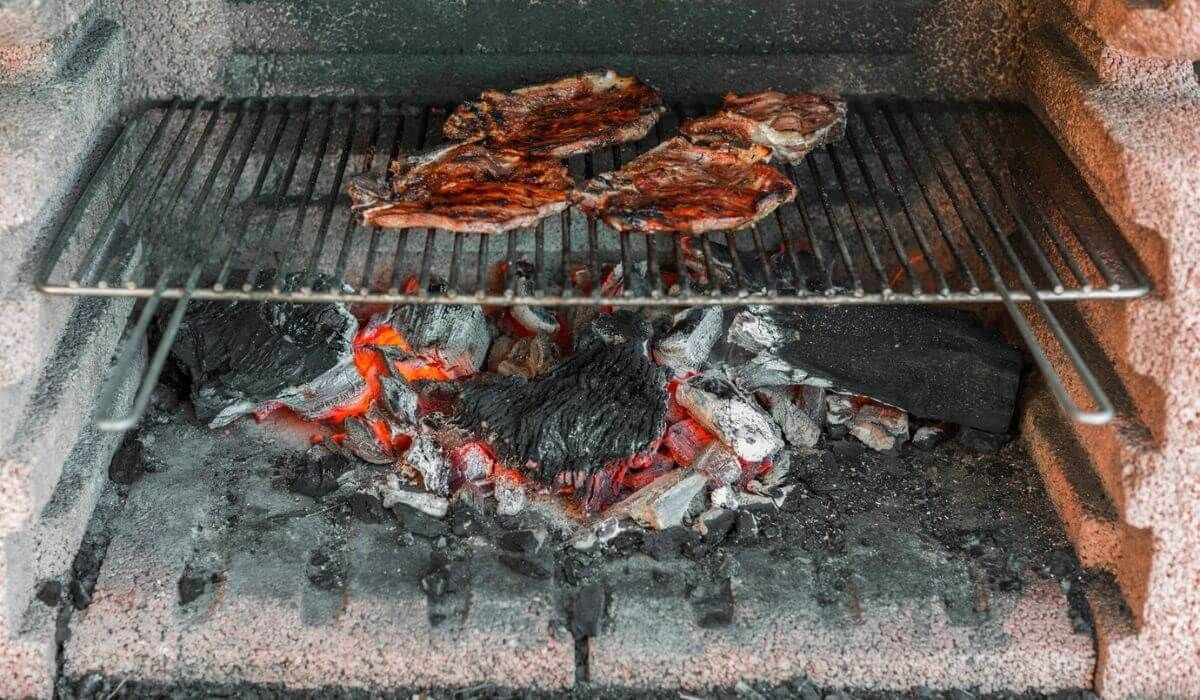
Spit roasting is a cooking method where meat is secured on a long metal rod (a spit) and slowly rotated over an open heat source such as charcoal, wood, or gas. As the meat turns continuously, it cooks evenly on all sides while basting itself in its own juices. This process creates tender, juicy meat with a rich smoky flavour and a crisp, caramelised exterior.
Spit roasting is especially suited to large cuts of meat or whole animals, making it a popular choice for outdoor events and large gatherings. The combination of open flame, slow rotation, and extended cooking time is what sets spit roasting apart from other methods, delivering both dramatic presentation and deep, fire-roasted flavour.
Advantages and Disadvantages of Spit Roasting
Before weighing the pros and cons, it’s important to understand what makes spit roasting such a distinctive cooking method. While it’s often chosen for its bold flavour and visual impact, it also comes with practical considerations around setup, time, and space. The following advantages and disadvantages help clarify when spit roasting is the right choice—and when another cooking method may be more suitable.
- Advantages: Exceptional flavor due to the smoky kiss of the open flame, even cooking from the constant rotation, and the creation of beautifully crispy and crackling skin. Ideal for large cuts of meat and whole animals, making it perfect for feeding a crowd.
- Disadvantages: Requires more space and specialized equipment (a robust spit and a powerful heat source), longer cooking times due to the slow and deliberate process, and often necessitates more manual setup, monitoring, and fuel management.
What Is Rotisserie Cooking?
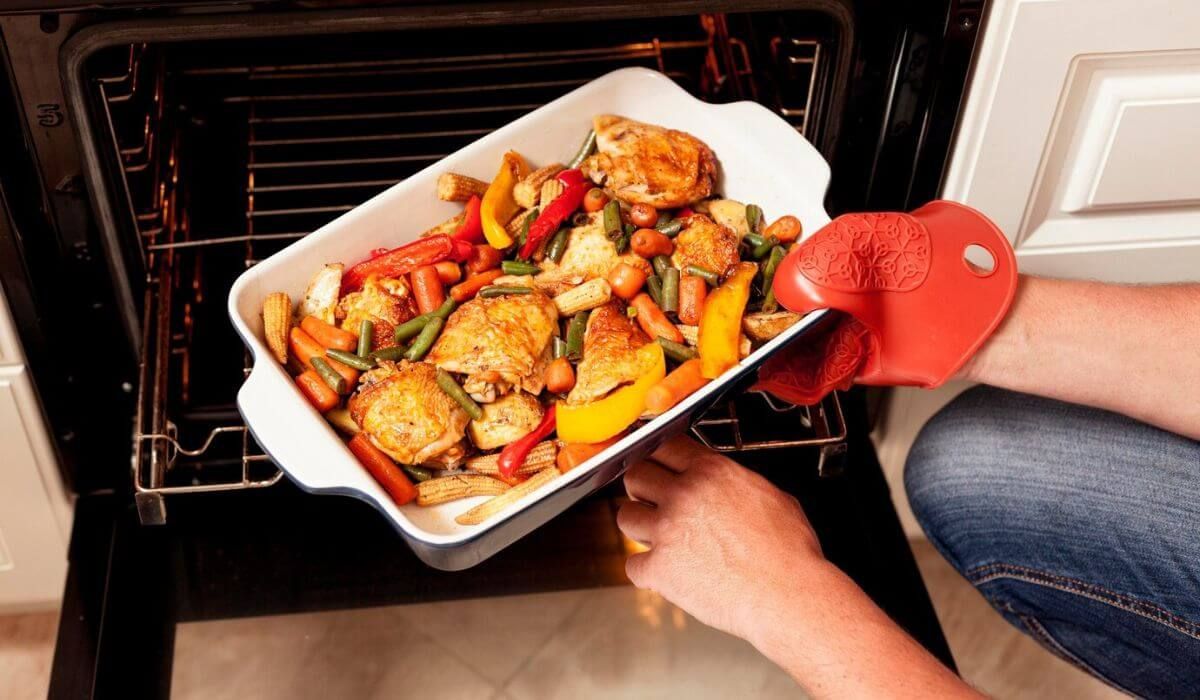
Rotisserie cooking is a method where meat is skewered on a rotating rod and cooked inside an enclosed heat source, such as an oven or a dedicated rotisserie unit. The steady rotation allows the meat to cook evenly while continuously basting in its own juices, resulting in moist, tender results.
This technique is commonly used for poultry and smaller cuts of meat, where consistent temperature control is important. Because the heat is enclosed rather than open-flame, rotisserie cooking delivers reliable doneness and convenience, making it ideal for home kitchens, commercial kitchens, and catering situations that prioritise efficiency and uniform results.
Advantages and Disadvantages of Rotisserie Cooking
Before weighing up the pros and cons of rotisserie cooking, it helps to understand how this method fits into modern kitchens and catering setups. While it shares the same rotating principle as spit roasting, rotisserie cooking is designed for convenience, consistency, and controlled results. The advantages and disadvantages below highlight when rotisserie cooking is the right choice — and when another method may deliver a better outcome.
- Advantages: Convenient and relatively easy to use, excellent moisture retention due to the enclosed cooking environment, and a more automated process that requires less hands-on attention.
- Disadvantages: Limited to smaller cuts of meat and poultry, less smoky flavor compared to spit roasting, and the skin may not achieve the same level of crispiness as with an open flame.
Key Differences Between Spit Roasting and Rotisserie
Although spit roasting and rotisserie cooking both rely on slow rotation to cook meat evenly, they are designed for very different purposes. The differences go beyond terminology and affect everything from flavour and texture to equipment, cooking time, and ideal use cases. Understanding these key distinctions will help you choose the method that best suits your event size, setting, and desired dining experience.
Cooking Technique and Equipment
Spit roasting uses an open flame, often fueled by charcoal or wood, and typically involves slower rotation speeds for larger cuts of meat. Rotisserie cooking uses an enclosed heat source, usually electric or gas, and often features faster rotation speeds for smaller cuts of meat and poultry. Spit roasting often requires a more manual setup and monitoring, while rotisserie cooking is generally more automated.
Best Meat Choices for Each Method
Spit roasting excels with large, tough cuts of meat and whole animals that benefit from the intense heat and long cooking times. Rotisserie cooking is better suited for smaller, more tender cuts of meat and poultry that cook quickly and evenly in a controlled environment.
Cooking Time and Heat Distribution
Spit roasting generally requires longer cooking times due to the lower and more variable heat of the open flame. The heat distribution can be uneven, leading to variations in texture and doneness. Rotisserie cooking, with its more consistent heat, often results in faster cooking times and more even heat distribution, leading to uniform texture and doneness.
Flavor and Texture Differences
Spit roasting imparts a deep, smoky flavor that's highly prized. The intense heat creates a beautifully crispy and often crackling skin. Rotisserie cooking produces tender and juicy meat, but the flavor is less smoky. The skin, while still crispy, may not achieve the same level of crackling as with spit roasting.
When to Choose Spit Roasting vs. Rotisserie?
You should choose spit roasting when the goal is to create a bold, memorable centrepiece for a large gathering or outdoor event. It is best suited to whole animals or large cuts of meat, where the open flame, smoky flavour, and visual spectacle are part of the experience. Spit roasting works particularly well for celebrations, festivals, and functions where cooking becomes a feature and feeding a crowd efficiently is essential.
You should choose rotisserie cooking when convenience, control, and consistency matter more than scale or spectacle. It is ideal for smaller cuts of meat or poultry, indoor settings, and situations where precise temperature control is required. Rotisserie cooking is better suited to home kitchens, commercial ovens, or smaller events where speed, even doneness, and minimal setup are priorities.
Final Thoughts
Spit roasting and rotisserie cooking may share a rotating mechanism, but they serve very different purposes. Choosing the right method depends on the size of the meat, the occasion, and the experience you want to create.
For events where flavour impact, visual appeal, and guest satisfaction are paramount, spit roasting remains unmatched — especially when handled by experienced
spit roast catering sydney professionals like
Caterking. Matching the method to the moment is what turns good food into an unforgettable experience.
Let Catering Sydney elevate your catering experience - Get in touch with us now!
You might also like