Savory Brunch Finger Foods 2026 | 15+ Recipes & Ideas
Savory brunch finger foods are bite-sized, hand-held dishes, such as mini quiches, savory pastries, and skewers, designed to be eaten without a knife and fork, making them ideal for relaxed morning gatherings. The same principle applies to savory breakfast finger foods, which follow the same bite-sized, no-cutlery format but suit earlier, quicker occasions. Brunch has evolved from a weekend indulgence into a legitimate meal occasion worthy of serious entertaining consideration, and Australian hosts have embraced this shift.
The answer lies in savory finger foods designed specifically for brunch. These bite-sized creations satisfy hunger without demanding the structured eating that lunch or dinner requires. Guests move, converse, and enjoy themselves while nibbling throughout the morning, from flaky pastries to savory skewers and mini quiches, while the host remains free to socialise rather than orchestrate plates and cutlery. DIY versions cost as little as $8-15 per person, making this an accessible option for hosts on any budget.
This guide delivers 15+ savory brunch finger food recipes alongside make-ahead strategies, occasion-specific adaptations, and Australian catering recommendations. Whether you host an intimate Sunday gathering or a milestone celebration, you will find practical solutions here.
Key Takeaways
- Brunch party food searches increased 89% in Australia over three years
- Savory finger foods suit brunch better than sweet options due to timing and appetite
- DIY brunch finger foods cost approximately $8-15 per person
- Professional catering ranges from $30-60 per person in major cities
- Most recipes require 15-45 minutes of active preparation
- Make-ahead strategies reduce host stress while maintaining quality
- Australian brunch culture favours quality over quantity
Why Savory Finger Foods Win at Brunch
Brunch occupies a peculiar time slot between breakfast and lunch. The appetite questions that breakfast and lunch answer clearly become complicated at brunch. Guests may have eaten lightly or not at all. They anticipate lunch but need sustenance now. Their coffee consumption influences how hungry they feel.
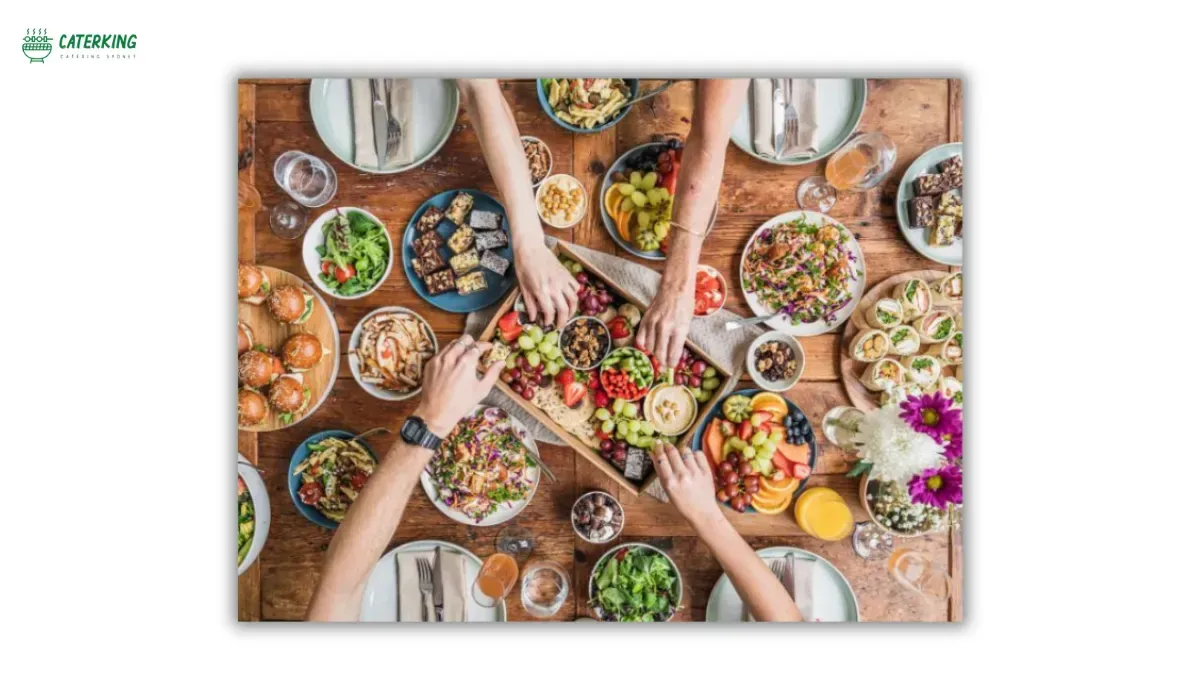
Savory finger foods navigate this uncertainty better than sweet alternatives. The protein and carbohydrate content of savory items satisfies without overwhelming. Guests who want a little food feel satisfied; guests with larger appetites can sample multiple items without feeling like they are overindulged.
Sweet brunch items carry different baggage. Pastries and pancakes feel like breakfast food carried forward, which suits some brunches but feels limited for others. Savory options expand the menu possibilities without requiring the commitment that a full lunch represents.
The Australian Brunch Culture
Australia contributed "brunch" to global vocabulary, likely adapting British university slang into the distinctly Australian meal that blends breakfast and lunch. Melbourne and Sydney developed brunch culture into an art form, with cafes dedicating entire menus to elaborate morning meals.
This cultural investment influences home entertaining expectations. Australian guests arrive at brunches anticipating food that matches the care they receive at their favourite cafes. The bar has risen beyond basic sandwiches and sausage rolls.
Yet home hosts lack the equipment, staff, and experience that cafes deploy. The solution lies in finger foods designed for home preparation: items that deliver cafe quality without cafe infrastructure.
Why Savory Beats Sweet at Brunch
Savory items perform better in grazing contexts than sweet items. The salt and fat content of savory foods creates satiety that prevents guests from feeling like they need a real meal afterward. Sweet items leave guests wanting more substance without providing it.
Temperature also favors savory items. Brunches often stretch across morning hours, with food sitting on the table for 2-3 hours. Savory items like mini quiches and frittata bites maintain quality at room temperature. Pastries and sweet items deteriorate more visibly over the same timeframe.
Coffee consumption patterns matter as well. Guests drink coffee throughout brunch, and bitter coffee pairs better with savory foods than sweet pastries. The combination of coffee and sweet pastry can feel overwhelming; coffee and savory pastry feels intentional.
Essential Savory Brunch Finger Food Categories
Effective brunch finger foods fall into four categories, each contributing different elements to your spread. A balanced menu includes items from at least three of these categories.
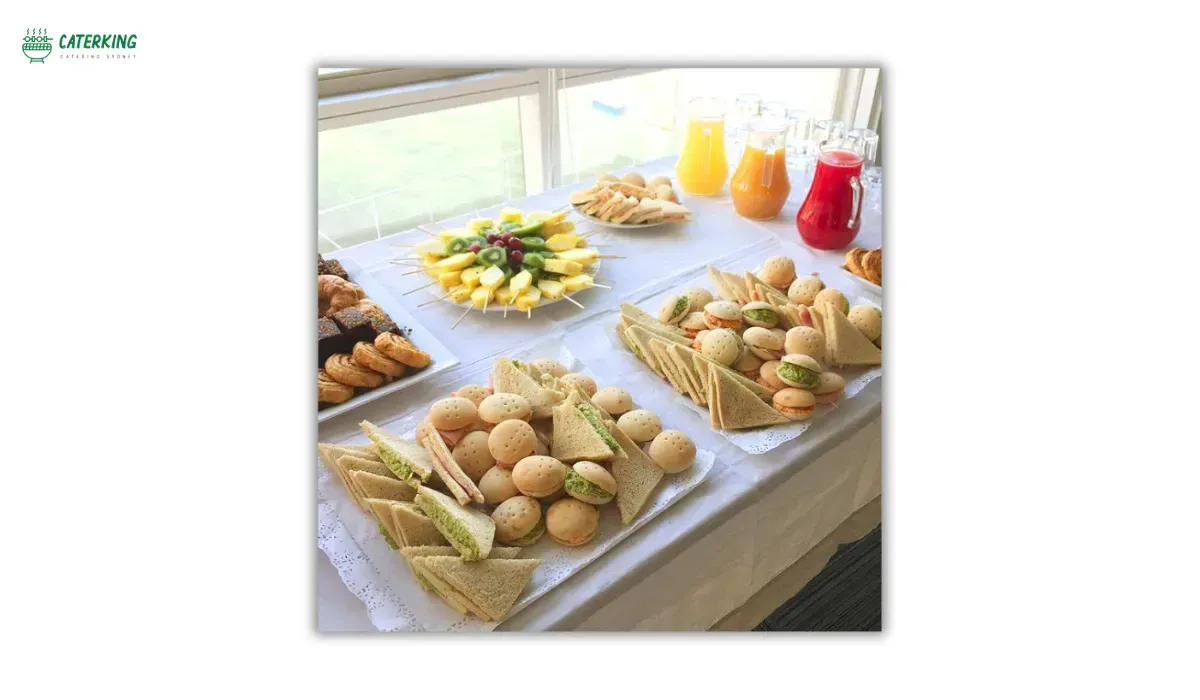
Egg-Based Bites
Eggs represent the essential brunch ingredient, appearing in some form across most successful brunch menus. The protein satisfies while the familiar flavour appeals universally.
Mini quiches deliver eggs in portable format that works at any temperature. The pastry shell holds the egg mixture while adding carbohydrate. Fillings range from simple cheese and bacon to elaborate vegetable combinations.
Frittata bites provide egg satisfaction without pastry. Cut cooled frittata into bite-sized squares and serve at room temperature. This format suits guests watching carbohydrate intake while still enjoying egg-based protein.
Scotch eggs bring protein density that other formats cannot match. A boiled egg wrapped in sausage meat and breadcrumbs, then fried until golden, creates a substantial bite that satisfies hungry guests. These require more preparation than other options but deliver impressive results.
Pastry and Bread Bites
Puff pastry transforms simple ingredients into elegant finger foods. The flaky layers add textural interest while the buttery flavour complements savory fillings.
Sausage rolls remain Australian entertaining classics for good reason. These portable pastries satisfy hungry guests without requiring utensils or plates. Quality varies dramatically between producers, making homemade versions worthwhile for important events.
Vegetable tarts cut into small squares provide vegetarian options that impress even meat-eaters. Fill puff pastry with roasted vegetables, cheese, and herbs before baking.
Cheese straws offer elegant simplicity. Twist strips of puff pastry with cheese and bake until golden. These crispy treats disappear quickly at any gathering.
Cheese and Charcuterie
Cheese and charcuterie platters require no cooking and adapt easily to guest preferences. The variety of flavours and textures satisfies diverse palates.
Arrange 3-4 cheeses alongside crackers, dried fruits, and nuts. Select contrasting textures: one hard cheese, one soft cheese, one blue cheese. This variety provides options for every preference.
Cold meats including prosciutto, salami, and chorizo add protein and bold flavours. Wrap prosciutto around melon or figs for simple elegant bites.
Vegetable-Based Options
Vegetables provide freshness and visual appeal that heavier items cannot. A well-stocked vegetable platter offers relief between richer offerings.
Cherry tomatoes, cucumber, and carrot sticks provide familiar favourites. These items appeal to health-conscious guests and balance richer items elsewhere on the table.
Roasted vegetable skewers create miniature vegetable servings with added flavour. Thread cherry tomatoes, zucchini, and capsicum onto small skewers for easy handling.
Stuffed vegetables including mushrooms and cherry peppers offer more substantial vegetarian options. These items require more preparation but reward with impressive flavour.
15+ Savory Brunch Finger Food Recipes
The following recipes span difficulty levels and preparation times. Select combinations that match your skill level, available time, and guest preferences.
Mini Quiches and Frittata Bites
Spinach and feta mini quiches deliver classic Mediterranean flavours in portable format.
Preheat the oven to 180°C. Cut puff pastry into circles slightly larger than mini muffin tin holes. Press pastry into each hole and prick bases with a fork. Blind bake for 10 minutes.
Mix 4 eggs with 100ml cream, 1 cup frozen spinach (thawed and drained), and 100g crumbled feta cheese. Season with salt, pepper, and a pinch of nutmeg. Pour mixture into pastry cases and bake for 15-18 minutes until set and golden.
This recipe makes 24 mini quiches and takes approximately 40 minutes total including preparation and baking.
Bacon and caramelised onion frittata bites provide hearty flavour in egg-based format.
Preheat the oven to 170°C. Fry 200g bacon until crispy, then drain on paper towels. In the same pan, caramelise 2 large onions slowly over 20 minutes until golden and sweet.
Whisk 8 eggs with 100ml cream. Stir in bacon pieces and onions. Pour into a lined slice tin and bake for 20-25 minutes until set. Cool completely before cutting into bite-sized squares.
These squares are kept refrigerated for 3 days and serve perfectly at room temperature.
Herb frittata with goats cheese offers elegant simplicity.
Whisk 6 eggs with 2 tablespoons of fresh herbs (parsley, chives, thyme) and 100g soft goats cheese. Pour into a lined 20cm round tin and bake at 170°C for 20 minutes until set. Cool and cut into wedges or small triangles.
Savory Pastries and Puffs
Homemade sausage rolls exceed anything available commercially.
Preheat the oven to 200°C. Mix 500g pork mince with 1 finely diced onion, 1 cup breadcrumbs, 1 egg, 1 teaspoon each of sage, thyme, and salt. Roll mixture into sausage shapes around 8cm long.
Roll out puff pastry and cut into rectangles. Wrap each pork sausage in pastry, seal edges with egg wash, and place on lined baking trays. Cut small slits in tops and brush with beaten egg.
Bake for 25-30 minutes until pastry is golden and cooked through. This recipe makes approximately
16 sausage rolls and serves 8-10 people as part of a larger spread.
Ricotta and spinach puffs provide vegetarian alternatives that impress.
Preheat the oven to 200°C. Mix 250g ricotta with 1 cup cooked spinach, 1 clove garlic (minced), 50g pine nuts, and salt and pepper. Cut the puff pastry into squares and place spoonfuls of mixture in the centre. Fold corners to centre and seal with egg wash.
Bake for 20-25 minutes until golden and puffed. These taste best served warm but work at room temperature.
Cheese and bacon scroll bites deliver crowd-pleasing flavour.
Preheat the oven to 190°C. Cut the puff pastry into rectangles. Spread with a thin layer of wholegrain mustard, then scatter cooked bacon pieces and grated cheddar cheese. Roll tightly and slice into 2cm rounds. Place cut-side up on baking trays and bake for 15-18 minutes until golden.
Slider Sandwiches
Mini egg and lettuce sandwiches transform classic sandwiches into finger food.
Use soft white bread cut with round cookie cutters. Spread lightly with mayonnaise. Layer with baby spinach or lettuce, thin slices of boiled egg, and a sprinkle of salt and pepper. Secure with a small cocktail stick.
These require assembly only, making them perfect for the day of your event.
Smoked salmon and cream cheese sliders offer elegant simplicity.
Use small dinner rolls or slider buns. Slice horizontally and spread generously with cream cheese. Add a small piece of smoked salmon and caper. Garnish with dill and a squeeze of lemon.
Chicken and cranberry sliders provide festive flavour.
Slice small rolls and spread with butter. Layer with sliced roast chicken, a small amount of cranberry sauce, and rocket leaves. The sweet and savory combination appeals universally.
Skewer and Bite-Sized Options
Caprese skewers deliver Italian flavours in two-bite format.
Thread a cherry tomato, a small ball of mozzarella, and a fresh basil leaf onto small wooden skewers. Drizzle with balsamic glaze before serving.
Lamb kofta bites provide protein-rich options for meat lovers.
Form 500g lamb mince with 1 finely diced onion, 1 teaspoon cumin, 1 teaspoon coriander, and salt. Shape into small rounds and bake at 200°C for 15 minutes until cooked through. Serve on cocktail sticks with tzatziki for dipping.
Halloumi and vegetable skewers offer vegetarian protein.
Cut 250g halloumi into cubes and thread onto skewers with cherry tomatoes, zucchini rounds, and capsicum pieces. Brush with olive oil and grill or bake at 200°C for 10 minutes until halloumi is golden.
Loaded Tea Sandwiches
Cucumber rounds provide refreshing bite-sized bases.
Slice cucumber thickly and top with cream cheese mixed with fresh dill. These require no cooking and add freshness to richer items.
Radish and butter sandwiches offer French-inspired elegance.
Use thin white bread cut into decorative shapes. Butter lightly and top with thinly sliced radishes and flaked salt. The peppery radish against butter creates surprising depth.
Smashed pea and mint toasts require small toasts or crackers as bases.
Smash 1 cup frozen peas with a fork, mixing in 1 tablespoon olive oil, mint leaves, and lemon zest. Season and spread on small toasts or crackers immediately before serving.
Make-Ahead Strategies for Stress-Free Brunch Hosting
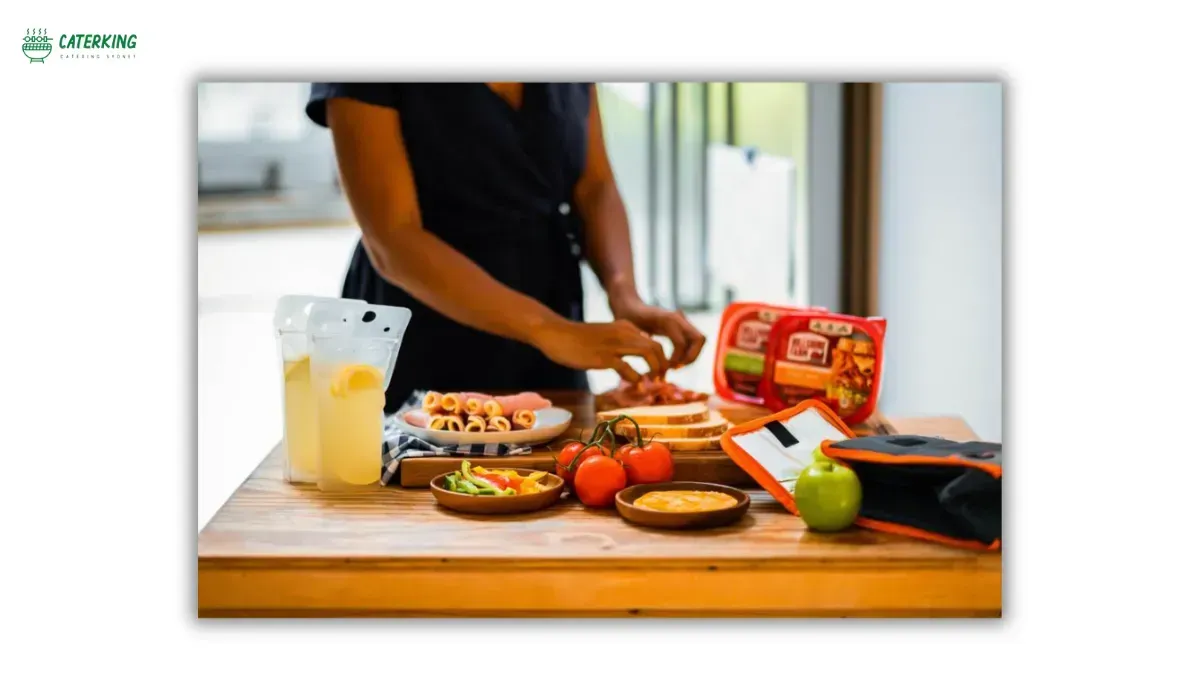
Successful brunch hosting depends on preparation that happens before your guests arrive. These strategies ensure everything comes together without frantic last-minute effort.
2-3 Days Before
Prepare items that keep well and improve with time. Frittata squares and quiches both benefit from refrigeration and taste equally good or better after 1-2 days. Bake these items and store them refrigerated.
Make dips and sauces including tzatziki, hummus, and aioli. These items develop flavour overnight and keep refrigerated for up to 5 days.
Purchase non-perishable items including crackers, nuts, and dried fruits. Check that you have enough small plates, napkins, and serving utensils.
Day Before
Prepare anything requiring fresh preparation. Vegetable cutting and arrangement can happen the day before with items stored in water to maintain freshness.
Set up serving platters and arrange them on your bench or table. Knowing exactly what goes where removes decisions on the day itself.
Prepare any garnish elements: herb garnishes, lemon wedges, sauces in squeeze bottles. These small details make the spread look intentional rather than assembled at the last moment.
Morning Of
Reheat any items requiring warming in a low oven (approximately 150°C). This oven temperature warms without overcooking.
Arrange items on final serving platters. Add any fresh items that cannot wait: soft cheeses, fresh herbs, items with delicate garnishes.
Set out beverages, plates, and napkins. Ensure the coffee is ready or the coffee equipment is accessible.
Allow at least 20 minutes before guests arrive to handle any last-minute issues and ensure you are relaxed rather than flustered when your guests arrive.
Savory Brunch Finger Foods for Every Occasion
Different occasions warrant different approaches to your brunch spread. These adaptations help you match food to events.
Easter Brunch
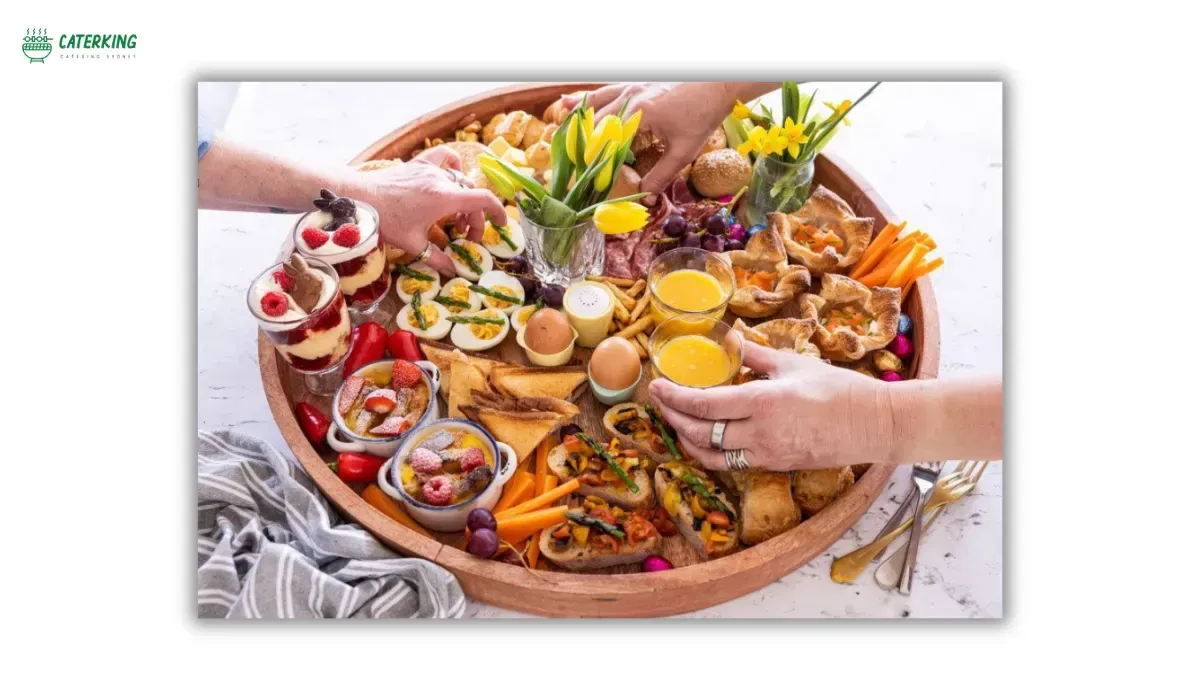
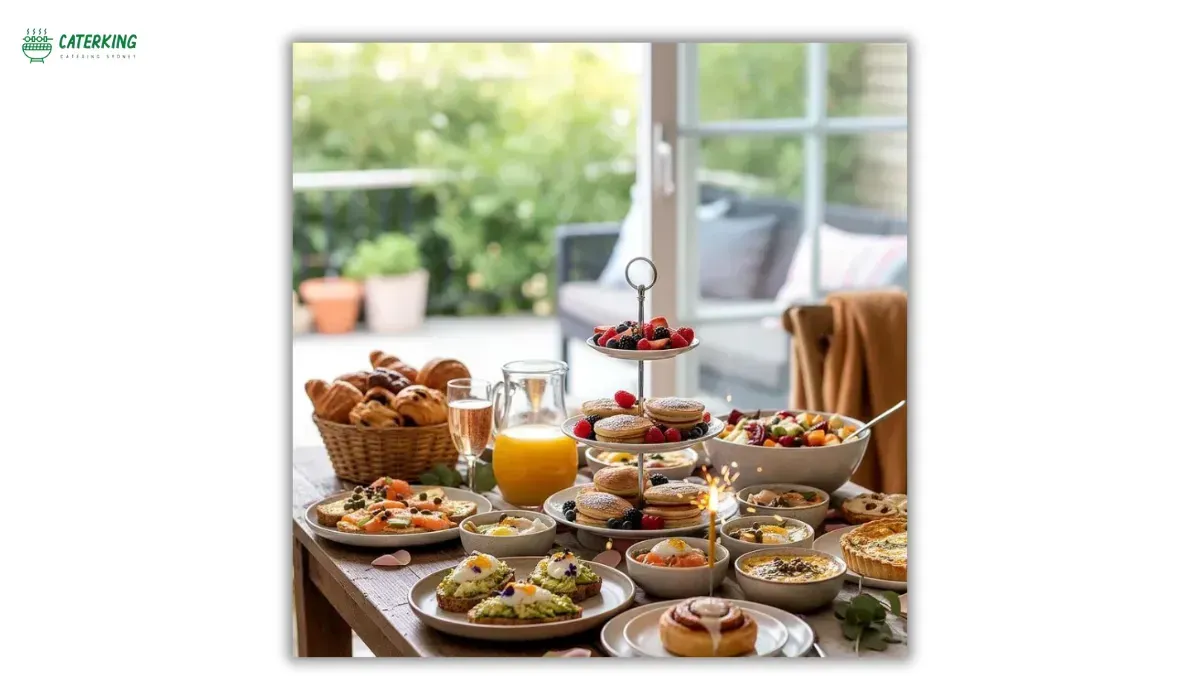
Easter brunch calls for celebration without excessive formality. Hot cross buns provide thematic bread but pair them with savory items rather than relying on sweet accompaniments.
Include ham and cheese pastries, devilled eggs, and smoked salmon canapes alongside fresh fruit. The combination feels celebratory without requiring the effort that a full lunch demands.
Easter egg hunts occupy children while adults enjoy their brunch at leisure. Plan timing to accommodate both activities.
Christmas Morning
Christmas morning breakfast demands simplicity because cooking competes with present opening and family excitement. Prepare everything possible the day before.
Set out cheese, cold meats, and crackers alongside fruit and pastries before bed on Christmas Eve. A hot option like bacon and egg pies can go in the oven early while everyone gathers.
Consider whether you want a formal breakfast at all. Some families prefer grazing through the morning rather than sitting for a meal, in which case a well-stocked savory finger food spread serves better than a dedicated breakfast.
Baby Showers
Baby showers often run through late morning into early afternoon, requiring sustained grazing rather than a single meal. Plan accordingly with sufficient quantity.
Include items that appeal to a predominantly female audience: smoked salmon canapes, vegetable crudités, and mini quiches. Avoid overly heavy items that sit uncomfortably.
Consider the possibility of pregnant guests. Ensure options without soft cheeses, deli meats, and raw eggs. Label items containing these ingredients clearly.
Birthday Celebrations
Birthday brunches for adults warrant more elevated items than casual Sunday gatherings. Include at least one premium element: oysters, prawns, or high-quality cheese.
Presentation matters more for milestone birthdays. Invest time in arrangement and garnishing. The food should be photographed well because birthday brunches generate social media content.
Dietary Accommodations for Savory Brunch
Australian gatherings increasingly include guests with dietary requirements. Failing to accommodate creates exclusion that damages the celebratory atmosphere.
Vegetarian Options
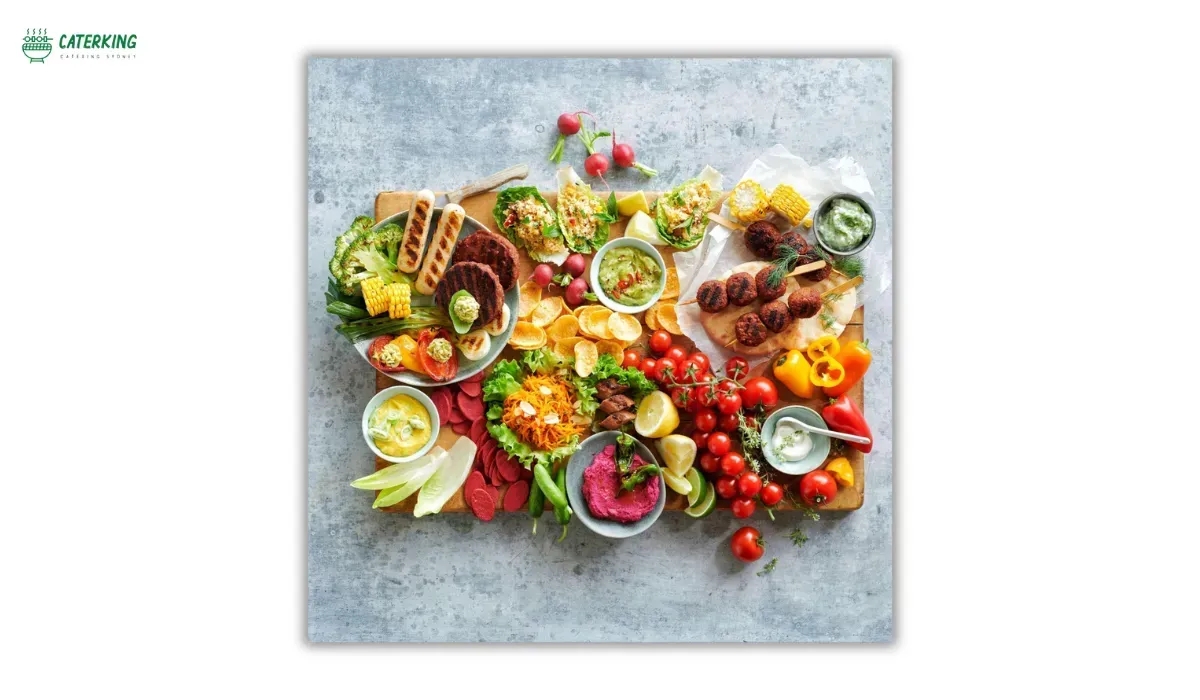
Plan at least 30% of your menu as vegetarian options. This percentage exceeds the vegetarian population percentage to ensure those guests have genuine choice rather than limited sampling.
Vegetarian finger foods should satisfy without feeling like compromises. Frittata bites, cheese pastries, and vegetable skewers provide protein and flavour that vegetarian guests find satisfying.
Label vegetarian items clearly. Many guests appreciate knowing which items contain dairy even if they eat dairy. Explicit vegetarian labelling removes ambiguity.
Gluten-Free Options
Gluten-free guests face constant vigilance at Australian gatherings. Provide genuinely gluten-free options rather than assuming removing obvious gluten items suffices.
Safe options include frittata bites (ensure no flour in the mixture), cheese and charcuterie platters (check that cured meats contain no gluten additives), and vegetable skewers.
Avoid cross-contamination by keeping gluten-free items on separate platters with separate serving utensils. Utensils used for regular items should not serve gluten-free selections.
Vegan Options
Vegan guests require complete avoidance of animal products including dairy, eggs, honey, and gelatin. Plan at least one substantial option that genuinely satisfies.
Stuffed mushrooms, vegetable skewers with hummus, and marinated olives provide protein and flavour without animal products. Avoid items that seem vegan but contain hidden ingredients: some pastry types use butter, some sauces contain cream.
When unsure, add more labelled vegan options rather than hoping one or two items will suffice. The goal is ensuring vegan guests feel genuinely included rather than merely accommodated.
Brunch Finger Food Catering in Australia
Professional catering removes all preparation stress while delivering quality results that home hosts cannot reliably achieve. Australian catering services offer brunch packages specifically designed for morning entertaining.
Sydney and Melbourne catering companies understand the specific requirements of brunch catering: food that works at room temperature, attractive presentation without reheating facilities, and variety that sustains grazing across 2-3 hours.
Catering proves particularly valuable when hosting exceeds 20 guests or when your time investment in preparation feels disproportionate to the benefit. The cost difference between quality catering and DIY ingredients often narrows when considering the value of your time.
Budget approximately $35-55 per person for quality savory brunch catering in major Australian cities. This pricing includes delivery, professional presentation, and variety that homemade spreads struggle to match.
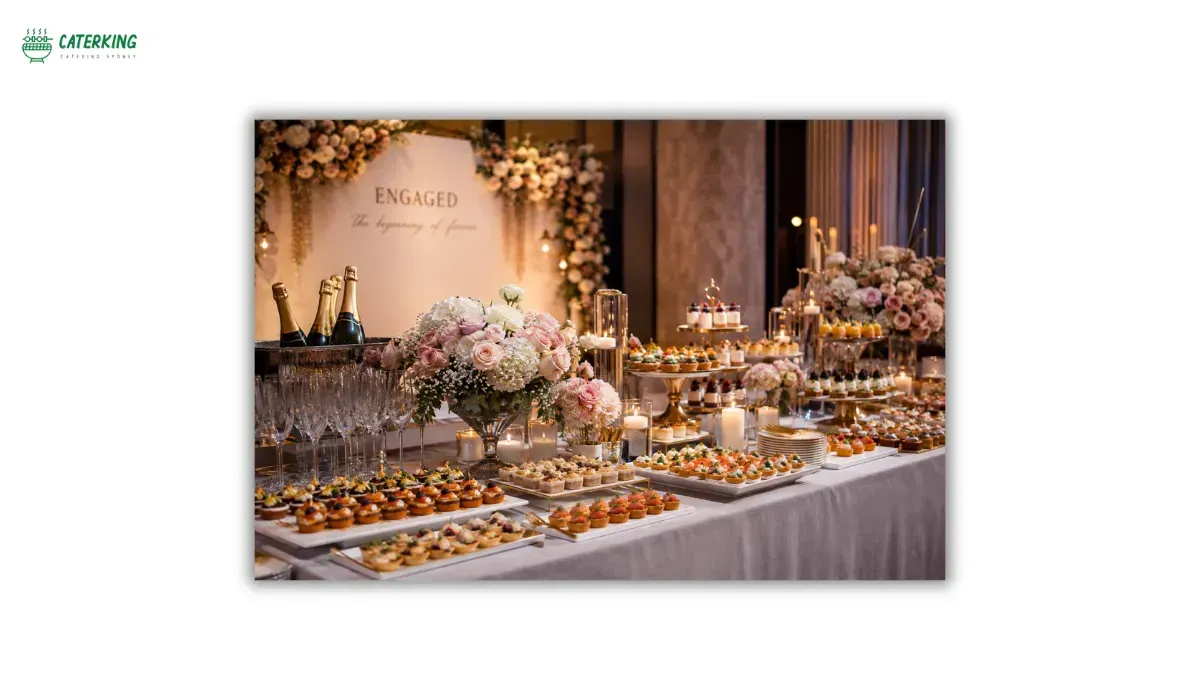
Sydney catering services through providers including CaterKing offer finger food catering options designed for brunch events. These packages include items across multiple categories, ensuring balanced variety without requiring you to prepare each element.
When ordering catering, specify your dietary requirements clearly and confirm portion sizes match your guest count. Most caterers require 48-72 hours notice, with popular dates filling quickly.
Savory Brunch Finger Food FAQs
For Sydney and Melbourne brunch events requiring professional preparation, explore finger food catering options that include savory brunch selections designed for morning entertaining, removing all preparation stress while delivering quality that matches your celebration standards.
What food is served at a brunch party?
Brunch parties typically serve finger foods that guests eat while standing and socialising. Effective options include mini quiches, frittata bites, savory pastries, cheese and charcuterie platters, and vegetable crudités with dips. Plan for approximately 8-12 different items to provide genuine variety without overwhelming your spread.
How do you keep finger foods warm at a brunch?
Many effective brunch finger foods serve perfectly at room temperature and actually perform better without warming. If you must serve warm items, use chafing dishes or warming trays. Alternatively, serve items in rotation: bring warm items out in batches rather than setting everything at once. This approach keeps food at optimal temperature while preventing overcrowding.
Can you make mini quiches the night before?
Mini quiches store excellently overnight. Bake up to two days ahead and refrigerate. Before serving, bring to room temperature for 30 minutes or warm briefly in a low oven at 150°C for 10 minutes. The pastry remains flaky and the filling retains its flavour. This make-ahead capability makes mini quiches ideal for stress-free hosting.
What is a good budget for brunch catering?
Professional brunch catering costs approximately $35-55 per person in Sydney and Melbourne for quality service. This pricing includes delivery, presentation, and variety across multiple food categories. Budget catering starts around $25-30 per person with fewer premium items and simpler presentation.
How much finger food do I need for 20 people?
Plan for approximately 6-8 pieces per person if serving as the main food source over 2-3 hours. For 20 people, prepare 120-160 pieces across 8-12 different items. This quantity ensures all guests eat comfortably without running short while avoiding excessive leftovers.
What finger foods are good for breakfast?
Breakfast-appropriate finger foods include devilled eggs, bacon and cheese scrolls, sausage rolls, frittata bites, and smoked salmon canapes. These items contain protein and carbohydrates appropriate for morning eating without feeling overly heavy or inappropriate for the time of day.
How to arrange finger foods for a party?
Group similar items together but create visual variety through colour and height. Place dips and sauces in small bowls toward the centre or back. Arrange finger foods in clusters rather than scattering across the platter. Include garnishes that add colour: herb sprigs, lemon wedges, paprika dusting. Ensure serving utensils are available at each platter.
What savory snacks go with coffee?
Coffee pairs well with savory snacks that provide textural contrast and flavour balance. Effective combinations include shortbread with cheese, croissants with ham and gruyere, almond biscotti with cheddar, and banana bread with salted butter. The bitterness of coffee cuts through fat and salt, making savory coffee accompaniments more satisfying than sweet options.
Let Catering Sydney elevate your catering experience - Get in touch with us now!
You might also like