What to Serve with Pork Tenderloin: Side Dish Pairings
Pork tenderloin is the long, thin muscle running along the pig's spine, containing approximately 3% fat and weighing between 300-700 grams. This lean cut provides minimal fat for self-basting during cooking, meaning accompaniments must add moisture and flavor that the meat itself cannot provide. The decisions about sides, sauces, and starches determine whether pork tenderloin tastes average or exceptional.
Flavor pairing works through molecular compounds that foods share. Pork tenderloin's mild flavor profile has no dominant compounds that compete with added ingredients, allowing bold accompaniments to shine. The most reliable approach combines sweet elements (fruit, honey, caramelized vegetables), acidic components (vinegar, citrus, pickled items), and fresh herbs (sage, thyme, rosemary). Sage contains the same volatile compounds found in pork fat, creating natural harmony that requires no artificial alignment.
KEY TAKEAWAY
- Pork tenderloin has 3% fat content: accompaniments must add the moisture the meat lacks
- Sage contains thujone and camphor, the same compounds found in pork fat, creating natural flavor harmony
- Roasted root vegetables caramelize at 200°C, the Maillard reaction creates hundreds of new flavor compounds
- Apple contains malic acid and this compound specifically binds with pork proteins, enhancing flavor perception
- The optimal pork-to-side ratio is 2:1 by weight about 40% protein, 30% vegetables, 30% starch
- Pinot Noir at 15-17°C has light body and red fruit character that complements without overwhelming
- Brining in salt solution for 4 hours increases moisture retention by 25% through protein restructuring
Pork Tenderloin Characteristics and Pairing Fundamentals
Pork tenderloin is the long, thin muscle running along the pig's spine, containing approximately 3% fat and weighing between 300-700 grams. This lean cut provides minimal fat for self-basting during cooking, meaning accompaniments must add moisture and flavor that the meat itself cannot provide.
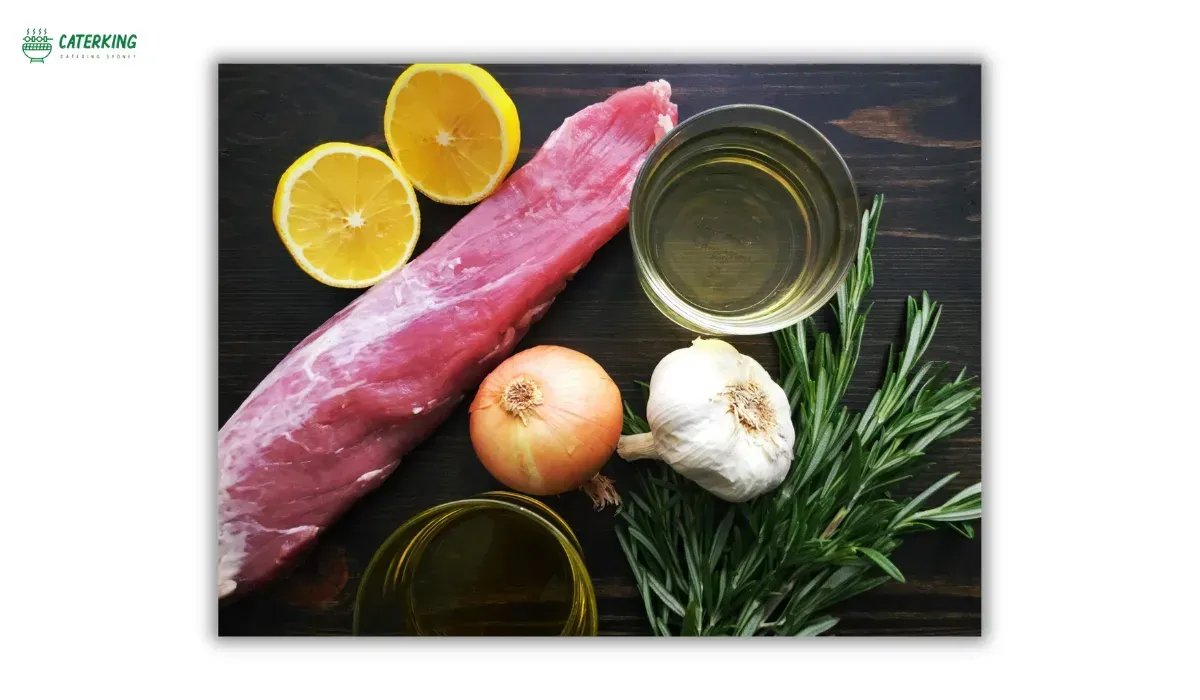
The decisions about sides, sauces, and starches determine whether pork tenderloin tastes average or exceptional. Selecting accompaniments that provide contrast is essential: acidic elements cut richness, sweet elements enhance natural flavors, and herbaceous components add aromatic depth.
Sage contains thujone and camphor, the same volatile compounds found in pork fat. This molecular similarity explains why sage and pork create natural flavor harmony through shared aromatic structures. A pork tenderloin roasted with garlic and thyme pairs naturally with apple compote because the fruit's malic acid balances the meat's mild sweetness through specific protein binding.
Flavor pairing works through aromatic compounds that foods share at the molecular level. Pork tenderloin's mild flavor profile has no dominant compounds that compete with added ingredients, allowing bold accompaniments to shine without confusion. The flavor triangle approach: sweet, acidic, and herbaceous, provides a systematic framework for creating balanced combinations.
Side Dishes That Complement Pork Tenderloin
Vegetable sides provide color, texture, and nutritional balance. Starch accompaniments deliver the carbohydrate foundation that transforms pork tenderloin from protein into satisfying meal. These accompaniments work through specific mechanisms that enhance the dining experience.
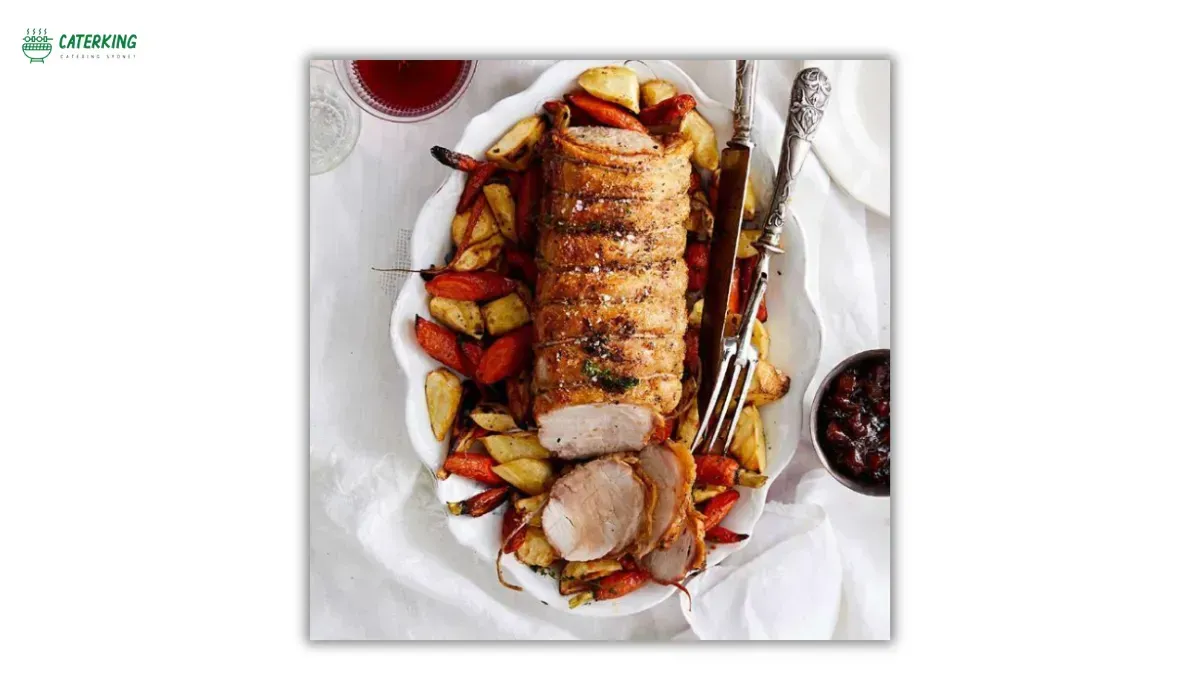
Roasted Root Vegetables
Root vegetables are underground plant organs including carrots, parsnips, turnips, and beetroot that develop concentrated sweetness through starch conversion during cool-weather growth. Roasting transforms root vegetables through the Maillard reaction, a chemical process where amino acids and sugars react at temperatures above 140°C to create hundreds of new flavor compounds.
Cut vegetables into uniform pieces to ensure even heat distribution. Toss with olive oil and roast at 200°C for 25-35 minutes until caramelized. The Maillard reaction creates the complex flavors that make roasted vegetables worthy accompaniments to premium protein. Arranging vegetables in a single layer on baking trays prevents steaming and ensures proper browning.
Parsnips offer earthier sweetness than carrots with peppery undertones. Slice parsnips lengthways, toss with butter and maple syrup, and roast at 200°C until deeply caramelized. Honey-glazed carrots with fresh thyme require exactly 30 minutes at 200°C to reach the caramelization point where sweetness peaks without burning.
Beetroot roasted until tender and drizzled with balsamic provides striking color contrast. The acidity in balsamic dressing cuts through beetroot's sweetness, creating balanced flavor. Using a mix of red and golden beetroot creates visual appeal on plates.
Sautéed Greens and Apple Combinations
Sautéed greens involve cooking leafy vegetables in hot fat while stirring, rapidly wilting leaves and preserving vibrant color. Greens provide textural contrast and acidic freshness that cuts through pork's richness, creating palate-cleansing effect between bites of meat.
Heat olive oil in a wide pan until shimmering, add minced garlic, then add greens and toss until just wilted. Finishing with lemon juice and zest completes the preparation. The iron content in greens provides savory depth that mirrors pork's umami characteristics.
Silverbeet sautéed with garlic and lemon offers the ideal balance of bitter greens, aromatic fat, and bright acidity. The astringent compounds in greens contrast with pork's fat content, preventing the palate fatigue that occurs when eating rich foods without refreshing elements.
Apple and fennel salad combines sliced raw apple, shaved fennel bulb, lemon juice, olive oil, and toasted nuts. Apple contains malic acid and a sour compound that specifically binds with pork proteins, enhancing meat flavor perception while providing refreshing contrast. Slice apple and fennel paper-thin using a mandoline, toss immediately with lemon juice to prevent browning, and add olive oil.
Starch Accompaniments for Complete Meals
Starch accompaniments deliver the carbohydrate foundation that transforms pork tenderloin from protein into satisfying meal. The neutral flavor profile of most starches complements rather than competes with pork's mild taste, while the starch granules provide textural satisfaction. For events requiring professional pork preparation, explore pork catering options that deliver perfectly cooked tenderloin with appropriate accompaniments to your venue.
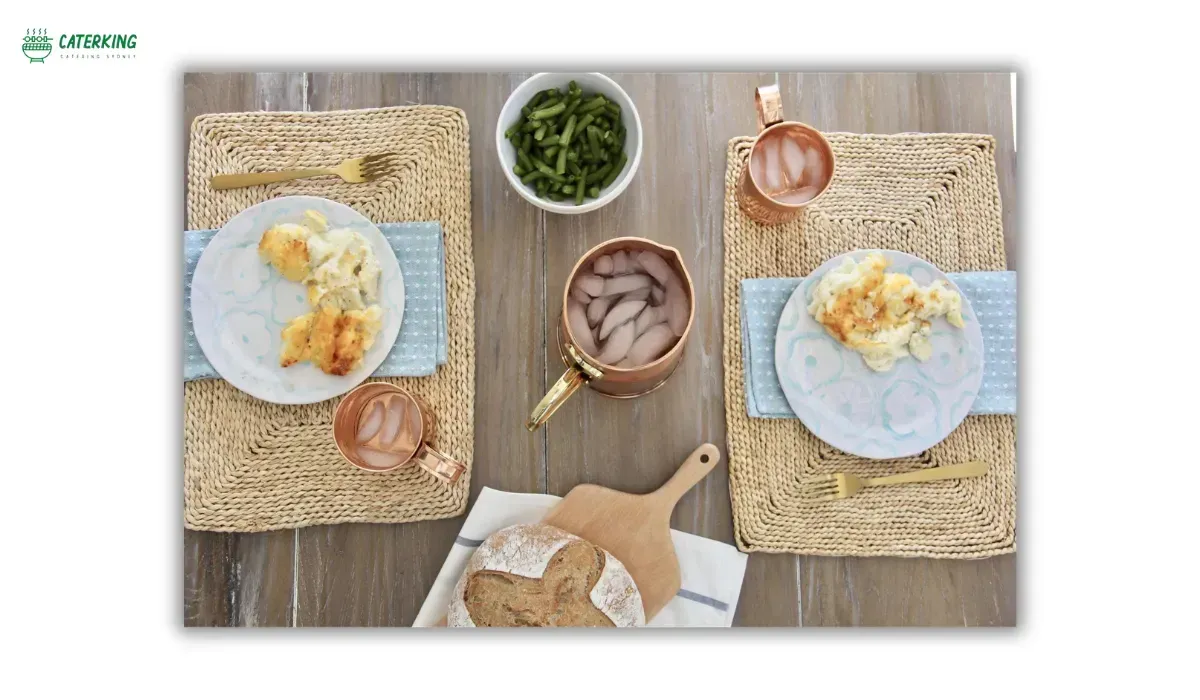
Potato Preparations
Potatoes are tuber vegetables containing high starch content that transforms through cooking methods. Baking creates fluffy interior as starch granules rupture. Roasting produces crispy exterior through moisture evaporation and caramelization. Mashing creates smooth texture through mechanical breakdown of cell walls.
For roasted potatoes, parboil pieces for 8 minutes to pre-cook the interior, then roast at 220°C with duck fat for 25 minutes until golden and crispy. Duck fat has a higher smoke point than butter, allowing longer cooking at higher temperatures without burning. The rendered fat coats potato surfaces, creating the Maillard reaction that produces crispy crust.
Mashed potatoes require 50% butter and 50% cream for ultra-rich results. The fat coats the palate between bites of lean pork, providing sensory satisfaction that the protein alone cannot deliver. Finish with chives for color and mild onion flavor.
Potato gratin involves layering thinly sliced potatoes with cream and Gruyère. The starch released during baking thickens cream into a sauce that binds layers together. This preparation suits dinner party occasions where impression matters more than casual weeknight simplicity.
Bread and Grain Options
Bread is a baked good made from flour, water, and yeast. The gluten in wheat flour forms elastic networks that trap gas, creating the structure that allows bread to hold sauces. Sourdough with rosemary provides textural contrast, herb echo, and sauce-holding capacity.
Slice sourdough or ciabatta thickly, brush with olive oil and toast until golden. Serve warm alongside sliced pork tenderloin. The chewy crust and soft interior provide textural variety while absorbing pan juices that might otherwise pool on plates.
Wild rice has a chewy texture that potatoes cannot replicate. Cook wild rice in well-seasoned stock for 45 minutes until tender but still chewy. The nutty flavor and chewy texture complement sage-roasted pork through shared earthy characteristics.
Sauces and Condiments
Sauces provide the finishing layer that ties all elements together. The fond browned meat bits in roasting pans, contains concentrated pork flavor compounds. Deglazing dissolves these compounds into liquid, creating sauce that carries meat flavor to every bite.
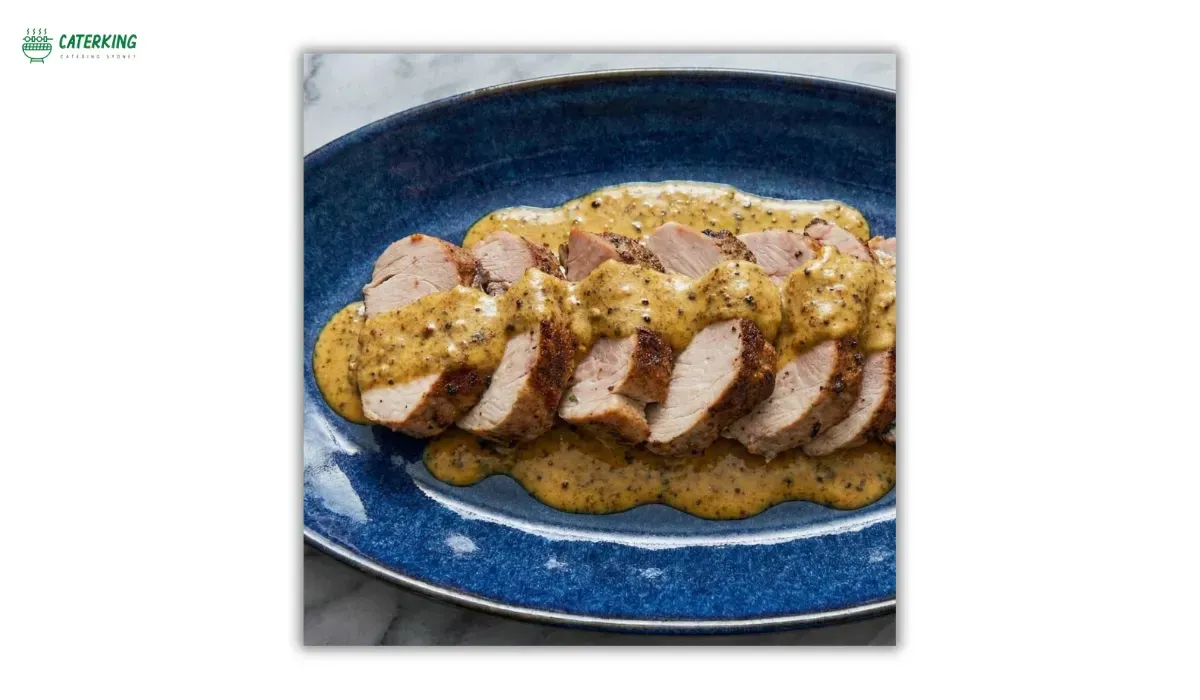
Classic Pork Sauce Options
A pan sauce forms through deglazing adding liquid to a hot pan to dissolve browned meat residue. After roasting pork tenderloin, deglaze pan with 125ml white wine, scraping up browned bits. Add 250ml chicken stock and reduce by half. Finish by whisking in 2 tablespoons cold butter off heat.
The fat in butter emulsifies with the stock, creating silky texture that coats meat and vegetables. The fond dissolved during deglazing carries concentrated pork flavor throughout the sauce. Adding mustard or cream provides additional flavor complexity.
Apple cider sauce combines sweet, acidic, and aromatic elements. Reduce apple cider with shallots and finish with butter. The malic acid in apple cider balances pork's mild flavor while the sweetness rounds sharp edges.
Sage brown butter involves melting butter until golden brown, then adding fresh sage leaves. The milk solids in butter toast during this process, creating nutty flavor. The crispy sage leaves add texture while the butter provides richness.
Wine Pairings for Pork Tenderloin
Wine completes the sensory experience through aroma, flavor interaction, and palate-cleansing properties. Different wine characteristics interact with specific elements of pork preparations.
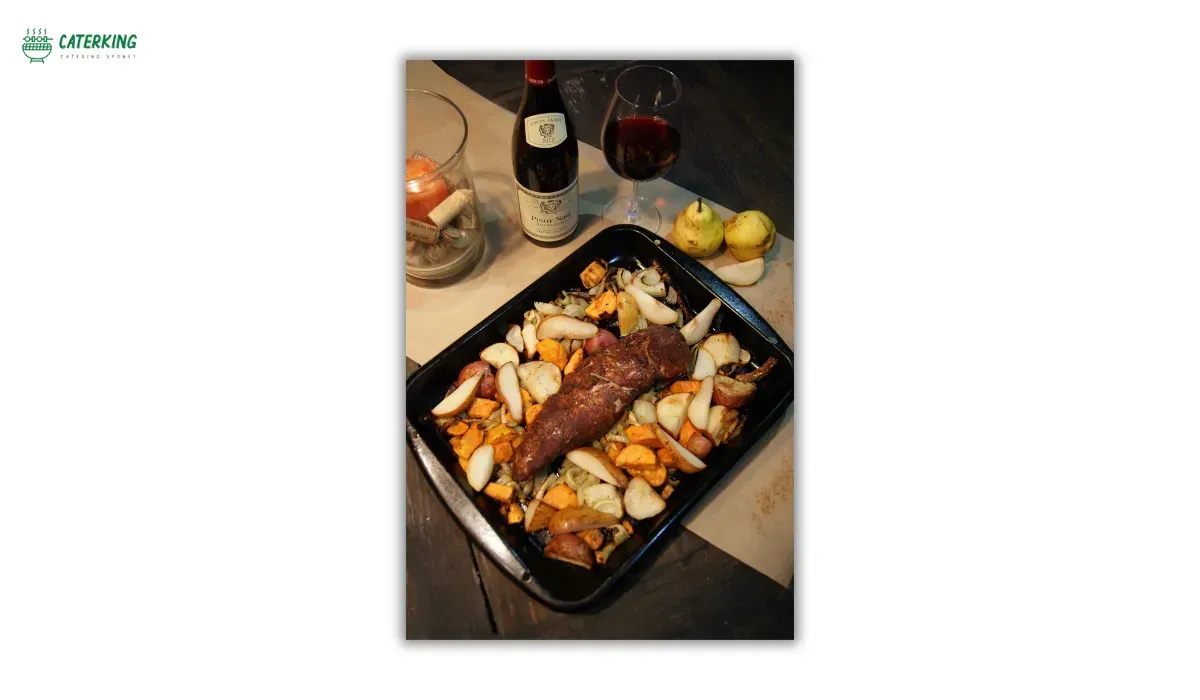
Red Wine Selections
Pinot Noir is a red wine grape variety known for light body, bright acidity, and red fruit flavors including cherry and raspberry. Pinot Noir's light body means its flavors neither overwhelm pork's mild taste nor disappear beneath stronger accompaniments.
Serve Pinot Noir at 15-17°C, approximately 30 minutes after opening. Australian examples from Yarra Valley and Mornington Peninsula offer excellent quality-to-price ratios at $25-35 per bottle. The cherry and earthy mushroom notes enhance sage-roasted pork tenderloin without requiring premium pricing.
Light Shiraz suits pork prepared with bold accompaniments such as sage, rosemary, or rich sauces. The pepper and berry notes complement rather than compete with these flavors. Avoiding heavily oaked Shiraz prevents the vanilla and toast notes from masking pork's subtle characteristics.
White Wine and Alternatives
Riesling is a white wine grape variety ranging from bone-dry to very sweet, characterized by high acidity and intense aromatics. Riesling's acidity cuts through pork fat more effectively than red wine, while its sweetness balances savory seasoning.
Select off-dry Riesling (labeled halbtrocken or feinherb) for the ideal balance. Serve well-chilled at 8-10°C. Clare Valley Riesling at $20-28 per bottle offers lime and mineral notes that complement apple-based pork preparations.
Sparkling wine provides bubbles that cleanse the palate between bites of rich pork and accompaniments. The carbon dioxide bubbles scrub taste receptors, refreshing sensitivity for subsequent bites.
Complete Meal Templates
Combining individual components into complete meals delivers practical value. These templates show how to structure plates with attention to proportion, color, and temperature.
Weeknight Dinner Template
| Component | Selection | Time |
|---|---|---|
| Protein | Pan-seared pork tenderloin with garlic and herbs | 20 min |
| Vegetable | Sautéed silverbeet with garlic and lemon | 10 min |
| Starch | Quick mashed potatoes with butter | 15 min |
| Sauce | Pan drippings with white wine reduction | 5 min |
Total time is 30-40 minutes. Mashed potatoes and silverbeet cook while the pork rests, ensuring simultaneous service.
Weekend Entertaining Template
| Component | Selection | Time |
|---|---|---|
| Protein | Roasted pork tenderloin with apple and sage | 45 min |
| Vegetable | Roasted root vegetables with honey and thyme | 35 min |
| Starch | Potato gratin with Gruyère | 50 min |
| Sauce | Apple cider reduction with mustard | 10 min |
Total time is 1.5-2 hours. Potato gratin and root vegetables prepare ahead, leaving final pork roasting for service day.
FAQs About Pork Tenderloin Accompaniments
Home cooks frequently ask specific questions about pork tenderloin preparation and accompaniment selection. These answers address the most common concerns with practical, detailed guidance based on flavor science and Australian kitchen conditions.
What vegetables go best with pork tenderloin?
Roasted root vegetables including carrots, parsnips, and beetroot provide sweet, earthy pairings that complement pork tenderloin's mild flavor. The Maillard reaction during roasting creates flavor compounds that mirror pork's natural sweetness. Sautéed greens such as silverbeet and spinach add textural contrast and acidic freshness that balances richer preparations.
Apple-based preparations including roasted apples or apple slaw offer the most traditional vegetable accompaniment, leveraging the natural affinity between apple malic acid and pork proteins. Planning vegetable sides that offer color contrast, textural variety, and flavor balance ensures complete meal satisfaction.
What wine pairs best with pork tenderloin?
Pinot Noir represents the most versatile wine pairing for pork tenderloin. The wine's light body (12-13% alcohol) and red fruit character complement without overwhelming pork's subtle flavor.
Yarra Valley, Mornington Peninsula, and Adelaide Hills produce excellent examples at $25-35 per bottle. Riesling offers contrasting pairing through high acidity (6-9 g/L tartaric acid) that cuts through pork fat while complementing sweet accompaniments like apple or honey glazes. Clare Valley and Eden Valley Riesling varieties provide exceptional quality-to-price ratios for everyday drinking.
How do I create a balanced pork tenderloin plate?
Balanced pork tenderloin plates combine protein with accompaniments in approximately 2:1 ratio by weight. The plate composition should include lean protein (40%), vegetables (30%), and starch (30%) to create satisfying meals.
Visual balance matters as much as nutritional balance: combining colors including orange (carrots), green (vegetables), and white (potatoes) creates plates that photograph well and signal abundance. Temperature contrast between hot protein (65-70°C) and warm accompaniments (45-55°C) creates textural variety that enhances the eating experience.
What herbs complement pork tenderloin most effectively?
Sage is the most reliable herb for pork tenderloin because it contains thujone and camphor, the same volatile aroma compounds found in pork fat. This molecular similarity creates natural flavor harmony through shared chemical structures.
Fresh sage leaves fried in butter provide crispy garnish that delivers concentrated herb flavor without overwhelming. Thyme offers more subtle earthiness suited to longer-cooked preparations where its flavor compounds have time to penetrate meat fibers. Rosemary's robust pine notes suit hearty preparations but require careful dosing because its compounds can dominate mild pork flavor if applied excessively.
For dinner events requiring professional preparation without home cooking complexity, explore corporate catering services that deliver perfectly paired complete meals to your venue, handling all cooking and presentation while you focus on enjoying the meal with your guests
Let Catering Sydney elevate your catering experience - Get in touch with us now!
You might also like