Gluten Free Mexican Food: Complete Guide & Recipes
Gluten-free Mexican food is Mexican cuisine prepared without wheat, barley, rye, or related proteins. Traditional Mexican cuisine developed over thousands of years using corn, beans, rice, chillies, and native vegetables, ingredients that contain no gluten. Modern Mexican food introduced gluten through wheat flour tortillas, soy sauce marinades, and processed seasonings. Understanding where gluten enters Mexican cooking helps you make informed choices whether cooking at home or dining out.
Most traditional Mexican ingredients are inherently gluten-free, making this cuisine one of the easiest to adapt for celiac diets. The challenge lies in identifying hidden gluten sources and finding reliable substitutes. This guide covers ingredient substitutions, practical recipes, and Australian restaurant options for celiac-safe Mexican dining.
Key Takeaways
- Traditional Mexican cuisine used corn, beans, and chillies, ingredients containing no gluten for thousands of years before colonization
- Wheat flour tortillas contain gluten, corn tortillas provide identical structural function without gluten
- Soy sauce contains wheat in most commercial brands, tamari and coconut aminos are wheat-free alternatives
- Coles and Woolworths stock certified gluten-free corn tortillas look for "100% corn" or Coeliac Australia certification
- Celiac disease causes autoimmune response to 20 parts per million of gluten cross-contamination prevention requires dedicated equipment
- Mexican food has 80% naturally gluten-free dishes, the challenge lies in modern processed additions
- Homemade taco seasoning costs $2 and eliminates the gluten risk from commercial packets
Where Gluten Hides in Mexican Cuisine
Many people assume Mexican food is automatically gluten-free, but several common ingredients introduce gluten unexpectedly. Identifying these sources allows informed decisions when cooking and dining.
Wheat-Based Ingredients
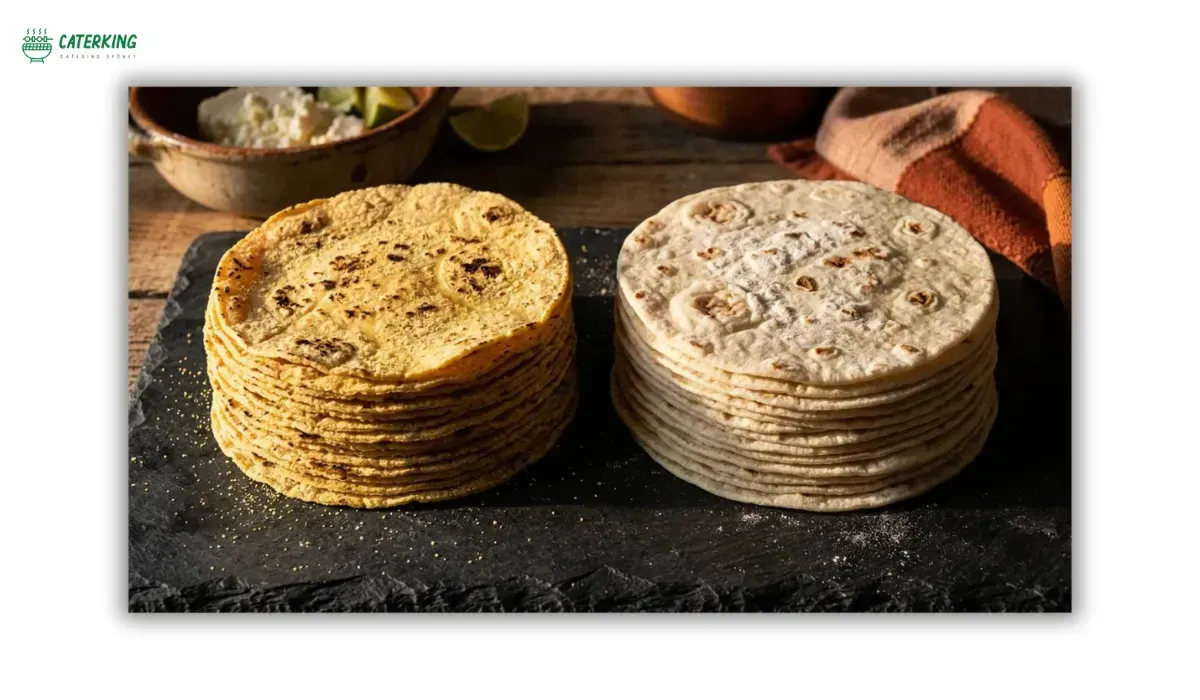
Wheat flour tortillas are the primary gluten source in Mexican cuisine. Burritos, quesadillas, and some tacos use wheat tortillas instead of corn. Gluten is a protein found in wheat, barley, and rye, it provides the elastic structure in bread dough and the binding properties in processed foods.
Soy sauce in marinades introduces gluten because most commercial brands contain wheat as a fermenting substrate. The fermentation process breaks down wheat proteins, but gluten fragments remain in the finished product. Beer-battered fish and prawns use beer as the coating liquid, beer contains gluten from barley malt.
Some taco seasoning packets include wheat flour as an anti-caking agent. Modified food starch derived from wheat appears in processed cheese products as a binding agent. Checking ingredient labels prevents accidental gluten consumption from these hidden sources.
Naturally Safe Ingredients
Traditional Mexican cuisine relies on ingredients that contain no gluten. Corn tortillas made from nixtamalized corn are the foundation of authentic Mexican cooking. The nixtamalization process to cooking corn in lime water and removes the corn hull and makes nutrients bioavailable, but introduces no gluten.
Black beans and pinto beans provide protein and fiber. Rice, both white and brown, serves as a common side dish. Chillies, herbs, and fresh vegetables add flavor without gluten. Fresh meats, poultry, and seafood prepared without marinades remain gluten-free.
Approximately 80% of traditional Mexican dishes can be made completely gluten-free by avoiding processed additions and using corn-based products instead of wheat.
Essential Substitutes for Gluten-Free Mexican Cooking
Substituting gluten-containing ingredients requires understanding which alternatives maintain authentic Mexican flavors. These replacements work seamlessly in most recipes.
Corn Tortillas vs Wheat Tortillas
Corn tortillas are flatbreads made from masa harina (nixtamalized corn flour). They provide the same structural function as wheat tortillas for tacos, quesadillas, and enchiladas. Switching from wheat to corn tortillas eliminates gluten entirely while preserving authentic Mexican texture.
Purchase certified gluten-free corn tortillas from Coles, Woolworths, or Mexican specialty shops. The certification from Coeliac Australia indicates testing below 20 parts per million gluten. Warm tortillas on a dry skillet for pliability before filling. For homemade tortillas, mix masa harina flour with water until forming a dough, then roll and cook on a hot skillet.
Corn tortillas cost $4-6 per packet compared to $3-5 for wheat tortillas. The price difference is minimal for celiac safety and authentic flavor.
Sauces and Seasonings Without Gluten
Many Mexican sauces contain wheat flour as a thickener. Enchilada sauce, taco seasoning, and mole often require substitution. Soy sauce in marinades introduces gluten that soy sauce lovers may not suspect.
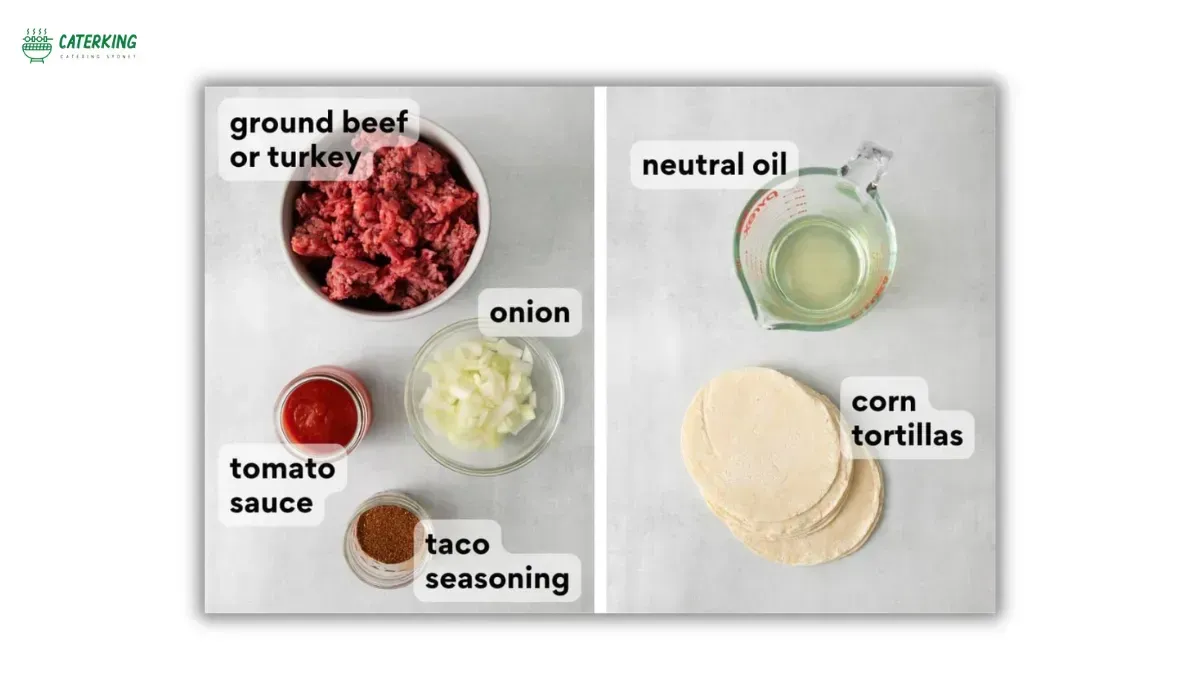
Replace wheat flour thickeners with cornstarch at a ratio of 1 tablespoon per 1 cup sauce. Cornstarch gelatinizes at 65°C, thickening liquids without adding gluten proteins. Make taco seasoning from scratch using 1 tablespoon each of cumin and chili powder, 1 teaspoon each of garlic powder, onion powder, paprika, and salt per 500g of meat. This mixture seasons meat completely without any gluten-containing additives.
Substitute soy sauce with tamari (wheat-free soy sauce) or coconut aminos. Tamari is a byproduct of miso production containing no wheat. Coconut aminos come from coconut tree sap, completely unrelated to wheat or soy.
Homemade taco seasoning costs approximately $2 per batch and seasons 10 meals. Commercial packets cost $3-4 each and often contain wheat flour.
Simple Gluten-Free Mexican Recipes
These recipes use naturally gluten-free ingredients and safe substitutions. Each serves 4-6 people with straightforward preparation.
Classic Tacos
Tacos consist of a tortilla holding seasoned protein, fresh vegetables, and salsa. Tacos represent the easiest entry point for gluten-free Mexican cooking. Corn tortillas and homemade seasoning eliminate gluten completely.
Ingredients: 500g ground beef or chicken, 2 tablespoons homemade taco seasoning, 8 certified gluten-free corn tortillas, toppings (tomato, lettuce, cheese, salsa).
Method: Season meat with taco seasoning and cook until browned. Warm tortillas on a dry skillet. Assemble tacos with meat and desired toppings.
Time: 20 minutes
Cost: Approximately $10-15 for 4 servings
Enchiladas
Enchiladas are corn tortillas rolled around protein, covered with sauce and cheese, then baked. This dish requires more effort than tacos but rewards with baked, cheesy comfort.
Ingredients: 600g shredded chicken, 8 corn tortillas, 1 batch gluten-free enchilada sauce, 1 cup shredded cheese.
Method: Prepare sauce by sautéing onion and garlic, adding chili powder, cumin, paprika, and chicken stock, thickening with 2 tablespoons cornstarch. Fill tortillas with chicken and roll tightly. Place in baking dish, cover with sauce and cheese. Bake at 180°C for 20 minutes until bubbly.
Time: 45 minutes
Cost: Approximately $20-28 for 6 servings
Rice Bowls
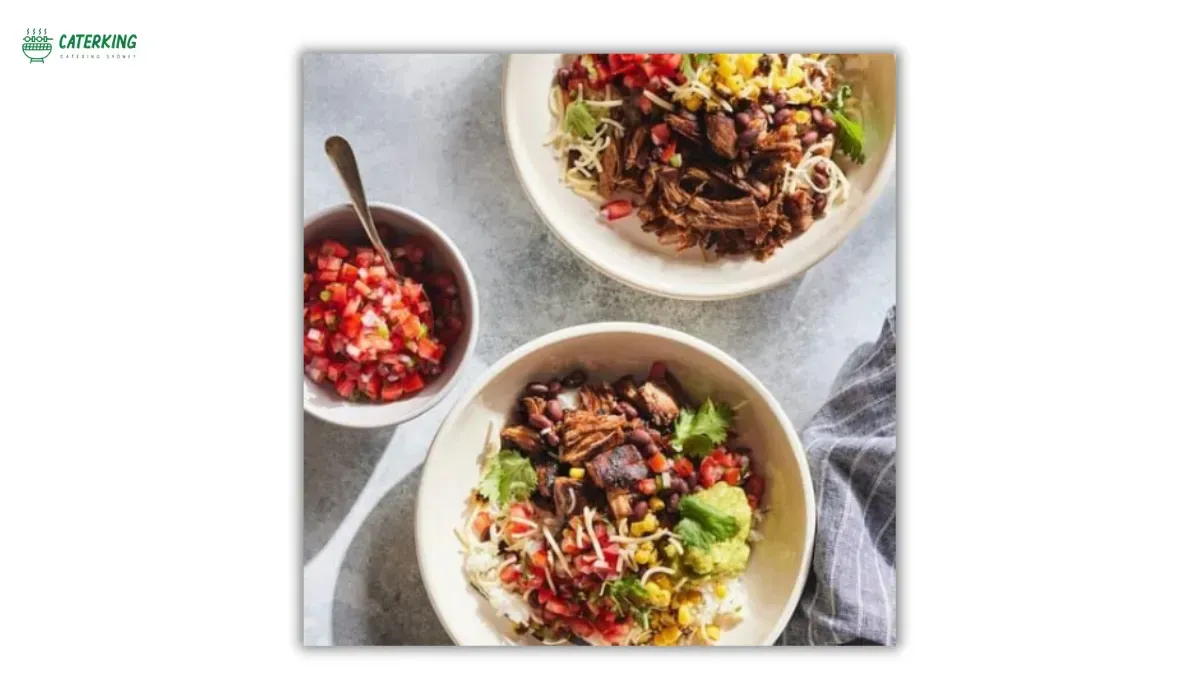
Rice bowls combine rice, beans, corn, vegetables, and protein in a customizable format. No special equipment or tortillas required.
Ingredients: 2 cups rice, 2 cans black beans, 1 cup corn, 1 cup pico de gallo, 1 avocado, lime wedges.
Method: Cook rice according to package instructions. Season beans with cumin and lime juice. Char corn in a dry skillet. Assemble bowls with rice, beans, corn, pico de gallo, and avocado slices.
Time: 30 minutes
Cost: Approximately $12-18 for 4 servings
Best ideas for Gluten-Free Mexican Cooking
Consistent success requires established habits. These practices prevent accidental gluten exposure whether cooking at home or dining out.

Read Every Label Every Time
Gluten-free labeling requirements mean products can change formulations without notice. Brands that were gluten-free six months ago may now contain wheat-based ingredients. The Food Standards Australia New Zealand (FSANZ) requires labeling only when gluten is present above 20 parts per million, but formulation changes happen without consumer awareness.
Check ingredient lists on every purchase, even for trusted brands. Look for allergen statements listing wheat, barley, rye, and oats. Choose products with certified gluten-free labels from Coeliac Australia. Avoid bulk bins where cross-contamination occurs from shared scooping.
Commercial taco seasoning brands including Old El Paso and McCormick contain wheat flour as anti-caking agents. Making homemade seasoning eliminates this risk entirely while providing fresher flavor at lower cost.
Prevent Cross-Contamination in Your Kitchen
Cross-contamination occurs when gluten-free foods contact surfaces, utensils, or oils that have touched gluten-containing ingredients. Celiac disease causes autoimmune response to 20 parts per million of gluten, trace amounts invisible to the naked eye trigger reactions.
Designate separate cutting boards, colanders, and utensils for gluten-free cooking. The porous structure of wood and plastic cutting boards traps gluten particles that washing may not remove. Use clean fryers for gluten-free frying shared oil transfers gluten throughout entire batches. Clean surfaces thoroughly between gluten-free and regular cooking. Store gluten-free items in sealed containers away from wheat products.
A dedicated gluten-free toaster costs $20-30 and prevents the cross-contamination that occurs from crumb residue in shared appliances. This investment provides ongoing protection for household members with celiac disease.
Communicate Clearly When Dining Out
Restaurant staff often confuse gluten-free requests with dietary preferences rather than medical requirements. Using precise language ensures kitchens understand the severity of the requirement.
State "I have celiac disease" rather than "I'm eating gluten-free." Celiac disease is an autoimmune disorder where gluten ingestion triggers immune response damaging the small intestine, this
medical context communicates necessity, not preference. Ask specifically about flour tortillas, soy sauce in marinades, and whether seasonings contain wheat-based additives. Request that kitchens use clean surfaces and utensils for preparation. Call restaurants ahead to confirm they can accommodate celiac requirements.
Melbourne's Mamasita and Sydney's Mad Mexican explicitly train staff on celiac protocols and maintain separate preparation areas. These establishments understand that celiac diners require 20 parts per million threshold compliance, not just attention to menu labels.
Finding Gluten-Free Mexican Food in Australia
Home cooking provides control and confidence. When dining out or ordering catering, knowing which establishments accommodate gluten-free requirements ensures safe, enjoyable meals. For events requiring professional Mexican preparation without gluten concerns, explore finger food catering options that explicitly accommodate celiac requirements and dietary restrictions.
Australian Restaurants
Dedicated Mexican restaurants with celiac accommodation train staff specifically on allergen requirements. These establishments maintain separate preparation areas and understand cross-contamination risks that casual restaurants may overlook.
Melbourne options include Mamasita (CBD) with a dedicated gluten-free menu and separate prep areas, La Tortilleria (Fitzroy) making certified gluten-free corn tortillas on premises, and Pancho's Villa with knowledgeable celiac-safe procedures.
Sydney options include Mad Mexican (CBD) with explicit celiac accommodation and allergen protocols, Guzman y Gomez at select locations with clearly labeled gluten-free menu items, and Somervelo (Newtown) with dedicated gluten-free preparation equipment.
Where to Buy Ingredients
Australian supermarkets have expanded gluten-free Mexican options significantly over the past five years. Coles and Woolworths stock gluten-free corn tortillas, tamari, canned beans, and rice. Harris Farm Markets offer specialty ingredients including fresh corn tortillas. Asian supermarkets carry tamari, coconut aminos, and rice paper. Mexican specialty shops provide masa harina, dried chillies, and fresh tomatillos.
Typical costs: corn tortillas ($4-6 per packet), tamari ($6-8 per bottle), masa harina ($8-12 per bag).
FAQs About Gluten-Free Mexican Food
Home cooks and diners frequently ask specific questions about gluten-free Mexican food. These answers address the most common concerns with practical, detailed guidance.
Is all Mexican food automatically gluten-free?
Yes, Mexican cuisine uses many naturally gluten-free ingredients including corn, beans, rice, chillies, and herbs.
However, modern Mexican food often introduces gluten through wheat flour tortillas, soy sauce marinades, and processed seasonings. Traditional dishes prepared with corn tortillas, fresh proteins, and homemade seasonings can be entirely gluten-free.
Checking ingredients and communicating requirements when dining out remains essential because restaurants may use different preparations than traditional methods. The assumption that Mexican food is automatically safe causes most accidental gluten exposures among celiac sufferers.
What Mexican dishes are naturally gluten-free?
Several authentic Mexican dishes contain no gluten when prepared traditionally: carnitas (braised pork with citrus and spices), pozole (hominy soup with pork), ceviche (raw fish cured in lime juice), elote (grilled corn with toppings), guacamole (avocado with lime and herbs), and rice with black beans.
These dishes rely on corn, legumes, fresh proteins, and natural seasonings that contain no gluten. Ordering these specific dishes at restaurants confirms their natural gluten-free status when kitchens prepare them using traditional methods rather than modern processed ingredients.
Can celiac sufferers eat corn tortillas?
Certified gluten-free corn tortillas made from nixtamalized corn are safe for celiac sufferers. The nixtamalization process removes gluten proteins from corn completely.
The Coeliac Australia certification indicates testing below 20 parts per million gluten. However, some corn tortillas contain wheat flour mixed with masa, so checking labels for "100% corn" or certified gluten-free status is essential. Mexican specialty stores and health food shops stock verified gluten-free corn tortillas in Australia. Purchasing certified products eliminates the uncertainty that ambiguous labeling creates.
What condiments are always gluten-free?
Most Mexican condiments are naturally gluten-free: salsa verde (tomatillo sauce), salsa roja (red chilli sauce), pico de gallo (fresh tomato salsa), guacamole, sour cream, shredded cheese, pickled jalapeños, and fresh cilantro. However, some prepared salsas contain modified food starch from wheat as a thickening agent, requiring label verification under FSANZ allergen labeling requirements.
Making fresh salsas at home eliminates this uncertainty entirely while providing fresher flavor. Most restaurant condiments remain safe when servers confirm ingredients and preparation methods, but verification provides certainty that assumption cannot.
How do I avoid hidden gluten when eating out?
Hidden gluten in restaurants comes from soy sauce in marinades, flour thickeners in sauces, and cross-contamination during preparation. Communicating "I have celiac disease" rather than "I'm eating gluten-free" ensures staff understand the medical necessity of avoiding all gluten exposure.
Asking specifically about soy sauce, flour tortillas, and wheat-based seasoning additives reveals hidden sources that servers might not mention unprompted. Choosing restaurants with explicit celiac accommodation protocols significantly reduces risk because these establishments train staff on allergen requirements and maintain separate preparation equipment.
For events requiring professional Mexican catering without gluten concerns, explore catering services that explicitly accommodate celiac requirements and dietary restrictions, delivering authentic flavors without the stress of preparation and cross-contamination prevention.
Let Catering Sydney elevate your catering experience - Get in touch with us now!
You might also like