Lamb Spit Roast Cost Breakdown: Full Pricing Guide
Lamb spit roast cost comprises multiple expenditure categories spanning raw lamb procurement ($16.99-25/kg dressed weight), equipment rental or purchase ($70-2,500), fuel consumption (charcoal $30-60, gas $25-40), professional catering services ($25-70 per person), and ancillary expenses including marinades, serving equipment, and labour allocations. Professional Sydney catering operations calculate total event budgets ranging $800-5,000 depending on guest count (20-150 attendees), service complexity (drop-off versus on-site cooking), and menu inclusions (single protein versus multi-meat selections with comprehensive side dish arrays).
Australian event planning requires transparent cost understanding enabling accurate budget allocation across competing expense priorities. A backyard gathering hosting 30 guests demands fundamentally different financial planning compared to formal wedding catering serving 120 attendees with full-service presentation requirements. The lamb spit roast cost framework presented here enables informed decision-making through itemized component breakdowns revealing specific price drivers distinguishing economical DIY approaches from premium professional service packages.
Understanding these cost structures prevents budget overruns while ensuring adequate quality standards meeting guest expectations across diverse event contexts - family celebrations, corporate functions, cultural ceremonies, and seasonal gatherings demanding distinctive service levels and preparation complexity.
Whole Lamb Purchase Costs for Spit Roasting
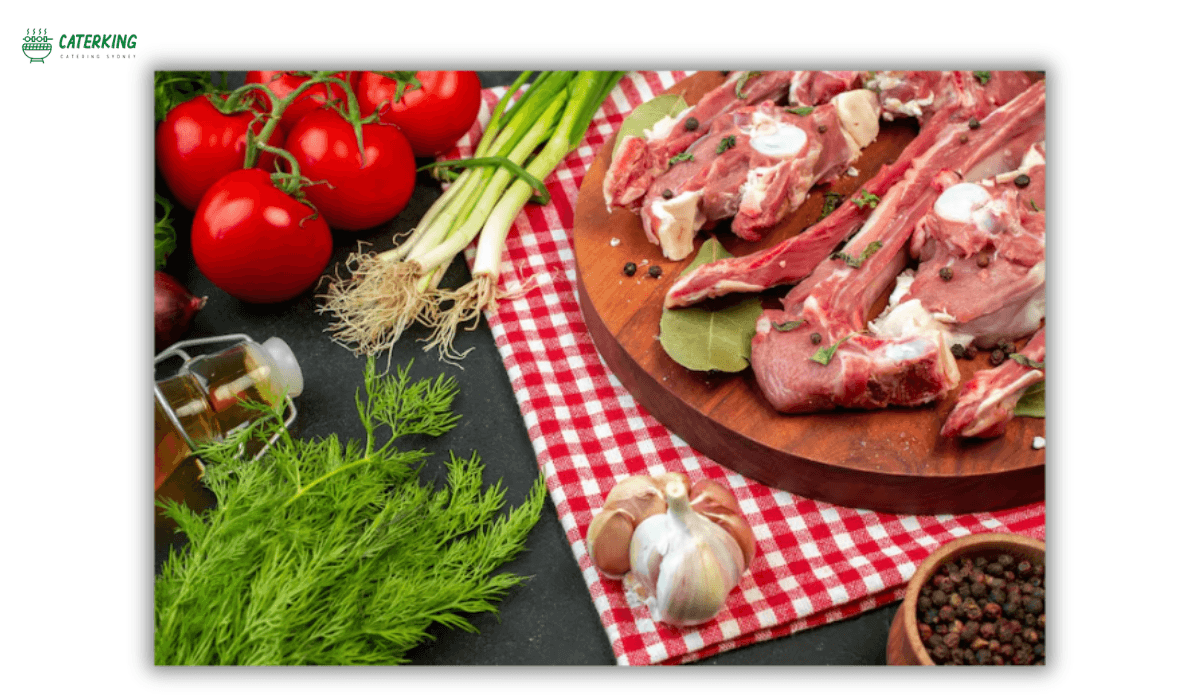
Raw whole lamb procurement represents the foundational expense category determining baseline budget requirements before equipment, fuel, and labour allocations. Australian butchers and specialty meat suppliers price whole dressed lamb carcasses between $16.99-25 per kilogram, with final costs ranging $240-600 depending on weight specifications (14-25kg typical range), quality classifications (standard versus organic/grass-fed premium), and regional supplier variations across metropolitan Sydney, Melbourne, and Brisbane markets.
Standard Whole Lamb Pricing Tiers:
Budget-conscious procurement targets standard commercial lamb carcasses ($16.99-18/kg) sourced from conventional farming operations producing consistent meat quality suitable for casual gatherings and informal events. A typical 17kg whole lamb purchased at $17/kg totals $289 providing adequate servings for 25-35 guests calculating 250g cooked yield per person accounting for bone weight, fat rendering, and moisture reduction during cooking processes.
Mid-range selections ($19-22/kg) feature enhanced quality attributes including grass-fed designations, regional provenance claims (Kiewa Valley Victorian lamb, Loddon Valley pasture-raised), and extended hanging periods developing superior flavor complexity. These carcasses typically weigh 18-20kg producing $342-440 total costs delivering noticeable quality improvements justifying moderate premium pricing for discerning hosts prioritizing superior taste outcomes.
Premium organic and free-range whole lamb ($23-25/kg) commands highest pricing reflecting certified production standards, animal welfare commitments, and environmental sustainability protocols. Cherry Tree Organics certified organic whole lamb (minimum 20kg) exceeds $460-500 representing significant investment appropriate for special occasions where ethical sourcing and exceptional flavor quality outweigh budgetary constraints.
Weight-Based Yield Calculations:
Professional catering operations recognize dressed carcass weight differs substantially from final edible yield delivered to guests. A 20kg whole lamb produces approximately 10kg cooked boneless meat (50% yield ratio) accounting for skeletal structure removal, connective tissue trimming, and cooking moisture loss. This 10kg yield serves 40-50 guests at recommended 200-250g portions providing generous servings alongside substantial side dish accompaniments.
Lighter carcasses (14-16kg) suit smaller gatherings (20-30 guests) while heavier specimens (22-25kg) accommodate larger events (50-70 attendees) without requiring multiple lamb purchases complicating cooking logistics and timing coordination. Spit roast catering for large gatherings frequently employs multiple smaller carcasses rather than single oversized specimens exceeding equipment capacity and extending cooking duration beyond practical event timelines.
Supplier Service Inclusions:
Many Sydney butchers offer value-added preparation services included within whole lamb purchase pricing. Carcass threading onto spit rods, cavity stuffing with aromatics (lemons, garlic, rosemary), exterior seasoning application, and butcher's twine stitching typically incur no additional charges representing significant labour savings for DIY operators lacking professional preparation experience.
Some suppliers mandate spit equipment rental when purchasing whole lamb (combined package pricing) while others permit standalone carcass sales enabling customers utilizing owned equipment or hired units from alternative sources. Clarifying these service bundling requirements prevents unexpected cost additions discovered during final transaction negotiations.
Equipment Rental and Purchase Expenses
Spit roaster equipment acquisition represents one-time purchase investment ($800-2,500) or recurring rental fees ($70-150 per event) depending on usage frequency justifying ownership versus hire decisions. Professional-grade commercial spit rotisseries feature stainless steel construction, dual fuel capability (charcoal and gas), electric motor drive systems, and height-adjustable mechanisms accommodating diverse carcass sizes from 14kg lamb to 30kg whole pig presentations.
Rental Fee Structures in the Sydney Market:
Standard weekend spit hire fees range from $70 to $150 base charges plus refundable cleaning deposits ($100-300) returned upon equipment restoration to clean, undamaged condition meeting supplier specifications. Pendle Hill Meat Market charges $150 hire fee with $300 deposit while Feather and Bone implements cleaning deposit policies, ensuring proper post-event maintenance preventing equipment deterioration across multiple rental cycles.
These rental packages typically include complete spit assembly (motor, rod, prong forks, drip tray, charcoal basket), delivery to event location within metropolitan service radius (15-30km standard), basic setup instruction, and collection scheduling accommodating multi-day rental periods, enabling thorough cooking and cleaning completion without rushed timelines, creating stress during event execution.
Premium rental services offer on-site assembly, fuel supply inclusion (charcoal delivered in adequate quantities), marinade preparation, and troubleshooting support during cooking processes commanding higher fees ($200-300) justified by comprehensive convenience eliminating common DIY complications encountered by inexperienced operators attempting first-time spit roasting execution.
Equipment Purchase Investment Analysis:
Frequent event hosts (3+ annual gatherings) justify equipment ownership through cumulative rental cost avoidance. Quality residential spit rotisseries priced $800-1,200 deliver 10-15 year service life amortizing initial investment across numerous events reducing per-use costs below rental thresholds while enabling spontaneous cooking sessions without advance booking requirements or availability constraints during peak demand periods (Christmas, Easter, summer holidays).
Commercial-grade professional units ($1,500-2,500) feature enhanced construction quality, larger capacity ranges, improved temperature control systems, and superior durability warranting investment for serious enthusiasts, small catering operations, or community organizations hosting regular public events. These industrial specifications accommodate whole pig roasting (30kg+), multiple simultaneous lamb preparations, and extended operational hours beyond residential equipment design parameters.
Fuel and Consumable Supply Costs:
Charcoal represents primary consumable expense for traditional spit roasting delivering authentic smoke flavor and crispy exterior development preferred over gas alternatives. Quality hardwood lump charcoal (ironbark preferred in Sydney market) costs $30-60 per 15-20kg bag with whole lamb cooking sessions consuming 10-15kg total quantity ($15-30 fuel cost). Gas cylinder alternatives (8.5kg swap-and-go) cost $25-40 providing cleaner combustion but sacrificing characteristic smoky aromatics distinguishing spit-roasted lamb from conventional oven preparations.
Additional consumables include butcher's twine ($5-8 per roll), stainless steel wire for cavity stitching ($10-15), basting brushes ($8-15), instant-read meat thermometers ($15-40), and aluminum foil drip pans ($5-10 per pack). Cumulative consumable expenses total $60-100 per event representing modest proportion of overall lamb spit roast cost but requiring advance procurement, preventing last-minute shortages disrupting cooking schedules.
Professional Catering Service Pricing Models
Professional spit roast catering services eliminate DIY complexity through comprehensive package offerings spanning meat procurement, equipment provision, on-site cooking, carving service, and cleanup execution. Sydney market pricing operates across three distinct tiers - budget ($25-35 per person), mid-range ($40-60 per person), and premium ($70+ per person) - differentiated by menu breadth, service formality, and value-added inclusions transforming basic food delivery into complete event management solutions.
Budget Package Components and Limitations:
Entry-level pricing ($25-35 per person) typically features single protein selection (lamb only), limited side dish array (2-3 salads or vegetable preparations), drop-off delivery format (pre-cooked food arriving in transport containers), and minimal service support requiring hosts to manage self-serve buffet stations, equipment arrangement, and post-event cleanup independently.
These economical packages suit casual backyard gatherings, informal community events, and cost-conscious celebrations prioritizing food quality over presentation formality. A 50-guest event at $30 per person totals $1,500 inclusive of whole lamb, sides, and basic disposable serving implements, representing substantial value compared to DIY procurement and preparation labour investments when opportunity costs merit consideration.
Drop-off service limitations include reduced food temperature control during transport periods, compressed consumption windows before quality degradation occurs, and host responsibility for food safety compliance throughout serving duration. Professional operations maintain proper hot holding temperatures (above 60°C) during transport but cannot guarantee thermal maintenance once control transfers to event hosts lacking commercial hot holding equipment.
Mid-Range Full-Service Offerings:
Comprehensive packages ($40-60 per person) incorporate multiple protein selections (lamb plus chicken or pork), expanded side dish arrays (4-5 gourmet salads, roasted vegetables, premium bread selections), on-site cooking with rotisserie equipment setup, dedicated carving chef managing service flow, and disposable serving implement provision (plates, cutlery, napkins, serving utensils).
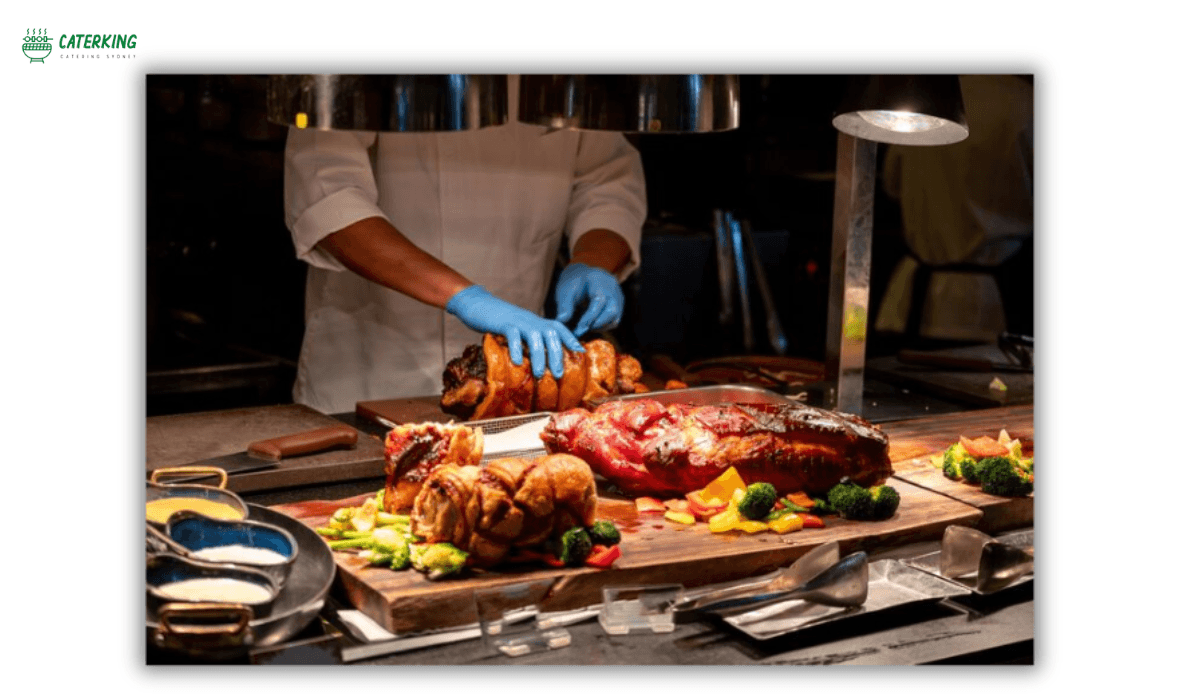
Professional staff presence throughout cooking and service periods delivers significant value through expert timing management, quality control monitoring, guest interaction providing interactive cooking theatre, and real-time problem resolution addressing unexpected complications invisible during drop-off service formats. On-site cooking fills event venues with aromatic lamb scents creating sensory experiences enhancing guest satisfaction beyond purely gustatory dimensions.
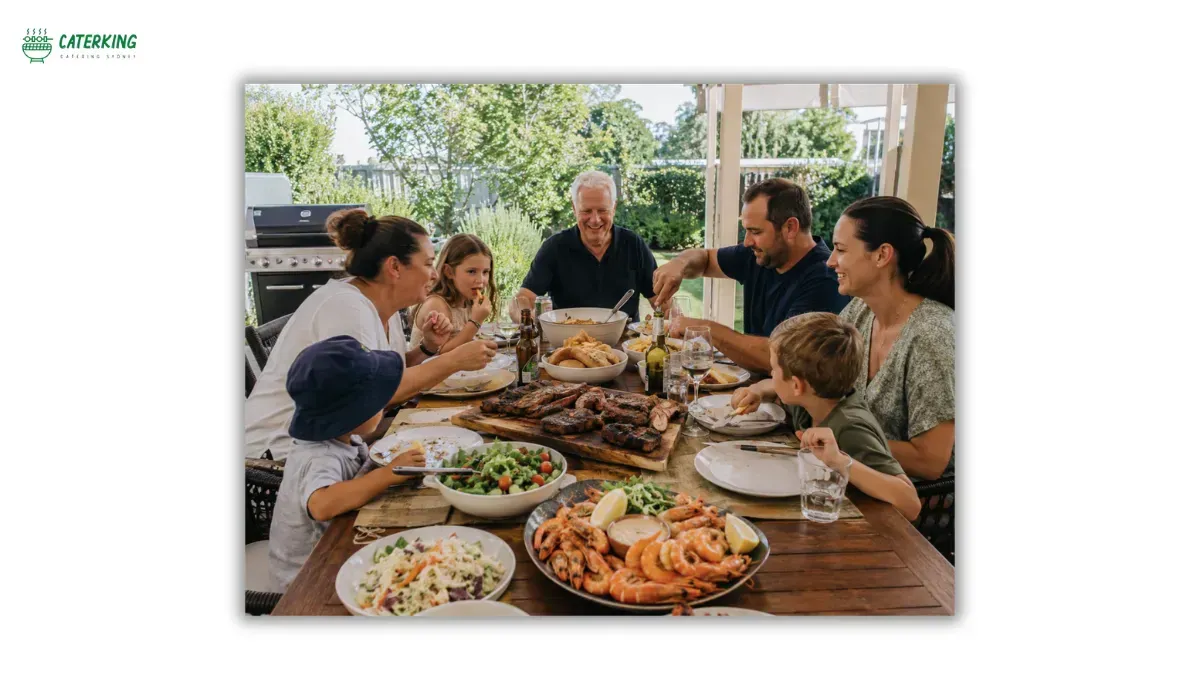
BBQ catering combinations pairing spit-roasted lamb with grilled accompaniments enable diverse menu presentations accommodating broad preference ranges within single cohesive service framework. These hybrid approaches increase per-person costs $5-10 but dramatically improve dietary accommodation meeting vegetarian preferences, children's simpler taste requirements, and adventurous diners seeking protein variety.
Premium Service and Luxury Inclusions:
High-end packages ($70+ per person) feature gourmet meat selections (organic lamb, heritage breed specifications), extensive side dish arrays (6+ premium salads, specialty breads, artisanal condiments), real crockery and cutlery (eliminating disposable waste), wait staff managing table service, and dessert courses completing comprehensive meal experiences rivaling restaurant presentations.
These premium tiers suit formal weddings, corporate galas, and milestone celebrations where presentation quality equals importance to food flavor justifying substantial budget allocations. Premium providers implement detailed event planning consultations, customized menu development, venue coordination with other service vendors, and post-event cleanup restoration leaving venues pristine condition requiring no host intervention beyond enjoying celebrations.
Additional Cost Factors and Hidden Expenses
Beyond obvious lamb, equipment, and catering service expenses, comprehensive budget planning accounts for ancillary costs often overlooked during initial estimation stages. These secondary expense categories cumulatively add 15-25% to baseline budgets transforming seemingly affordable $1,500 catering quotes into $1,750-1,875 final expenditures when complete cost accounting reveals true financial requirements.
Marinade and Seasoning Component Costs:
Quality marinade preparation requires fresh ingredients totaling $40-80 depending on complexity and organic/conventional sourcing decisions. Extra virgin olive oil (750ml, $15-25), fresh lemon purchases (10-12 lemons, $8-15), garlic bulbs (150g, $5-10), fresh herb bundles (rosemary, oregano, parsley, $15-20), and specialty spice blends (cumin, paprika, sea salt, $20-30) represent essential flavor development investments distinguishing exceptional outcomes from mediocre preparations.
Pre-made commercial marinades ($10-20 per 500ml jar) offer convenience but sacrifice flavor authenticity and ingredient quality control important to discerning hosts seeking optimal results. Professional caterers include marinade costs within package pricing while DIY operators must budget these expenses separately recognizing their significance to final taste outcomes.
Delivery, Setup, and Service Labour:
Geographic service radius beyond metropolitan core areas (30km+ from supplier base) incurs delivery surcharges ($30-100) reflecting fuel costs, travel time allocation, and vehicle operation expenses. Regional event locations in Blue Mountains, Southern Highlands, or coastal areas surrounding Sydney demand premium pricing compensating extended logistics complexity.
Chef service fees ($55-60 per hour minimum 4-hour engagement) total $220-240 representing substantial proportion of mid-range catering budgets but delivering professional expertise preventing common cooking failures (undercooking, overcooking, uneven doneness) risking food safety violations and guest dissatisfaction. Wait staff additions ($40-50 per hour per server) enable table service formats requiring 1 server per 20-25 guests maintaining smooth service flow without queue congestion.
Disposable Versus Rental Serving Equipment:
Disposable plate, cutlery, and napkin packages cost $1.50-2.50 per person representing modest expense but creating significant waste volumes concerning environmentally-conscious hosts. Quality disposables (heavy-duty plates resisting grease saturation, substantial cutlery avoiding breakage) command premium pricing while budget options create guest frustration through structural failures during meal consumption.
Crockery and cutlery rental ($3-5 per person) eliminates waste concerns while elevating event formality through proper dining implement provision. This rental category requires deposit fees ($200-500), washing service charges ($1-2 per piece), and replacement costs for damaged items deducted from deposits. Coordination complexity managing delivery, collection, and washing logistics justifies disposable selections for casual gatherings where environmental impact permits lower-priority consideration.
Cost-Per-Person Calculations Across Guest Count Ranges
Lamb spit roast cost per person varies inversely with guest count through economies of scale distributing fixed costs (equipment rental, chef fees, marinade preparation) across larger attendee bases reducing individual burden. A 20-guest gathering incurs substantially higher per-person expenses compared to 100-guest events despite identical per-serving food costs reflecting this mathematical relationship governing event economics.
Small Gathering Economics (20-40 Guests):
Intimate celebrations (20-30 guests) face highest per-person costs ($50-70) due to fixed expense concentration. A 17kg whole lamb ($289) plus equipment rental ($150), charcoal ($25), marinades ($60), and disposables ($40) totals $564 baseline cost before labour allocations. Dividing across 25 guests yields $22.56 per person for basic food and supplies - seeming reasonable until chef service fees ($240) increase total to $804 or $32.16 per guest for self-serve presentation.
Full-service professional catering eliminates DIY labour but commands $50-60 per person minimums ($1,250-1,500 for 25 guests) reflecting small-scale operational inefficiency where caterers deploy equivalent staff resources and equipment logistics servicing 25 versus 50 guests without proportional revenue compensation. Many Sydney caterers implement minimum guest thresholds (40-50 minimum) or surcharge fees for smaller events, addressing this economic reality.
Medium Event Value (50-80 Guests):
Mid-size gatherings achieve optimal cost-per-person value ($35-50) through fixed expense distribution across adequate attendee bases without excessive food waste risks from overcatering scenarios. Two whole lambs (35kg combined, $595), equipment rental ($150), fuel/supplies ($100), and disposables ($125 at $2.50/person for 50 guests) total $970 baseline before labour - merely $19.40 per person representing 40% reduction versus small gathering economics.
Professional catering rates for 50-75 guests settle into $40-50 per person range for comprehensive service packages including multiple proteins, extensive sides, on-site cooking, and cleanup execution. A 60-guest event at $45 per person ($2,700 total) delivers superior value compared to DIY alternatives when labour opportunity costs, stress reduction benefits, and failure risk mitigation merit consideration beyond pure monetary calculations.
Large Celebration Efficiency (100+ Guests):
Major events (100-150 attendees) achieve lowest per-person costs ($25-40) through maximum scale efficiency. Four whole lambs (70kg combined, $1,190 at $17/kg), equipment rental ($200 for larger capacity units), fuel ($150), marinades ($150), and disposables ($250 for 125 guests) total $1,940 or $15.52 per guest for baseline supplies - substantial savings enabling budget allocation toward enhanced service quality and menu breadth.
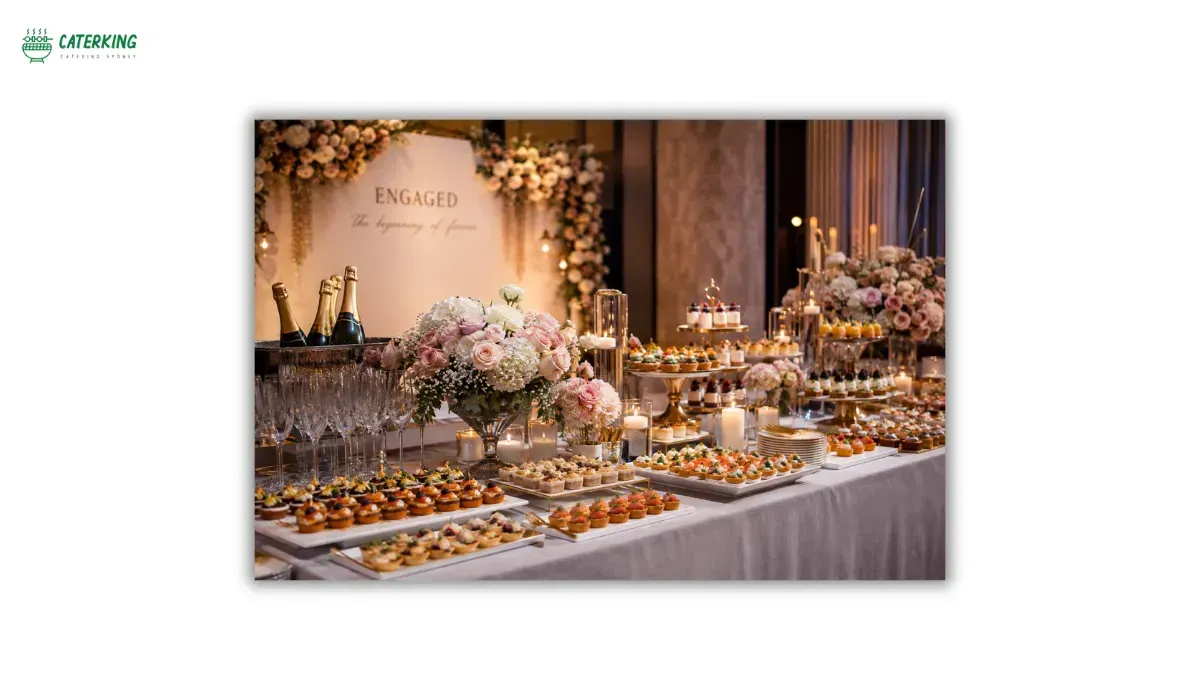
Professional finger food catering combinations pairing spit-roasted lamb with appetizer selections create comprehensive event menus without excessive per-person cost inflation. A 120-guest event combining lamb spit roast ($35/person) with premium finger food service ($15/person) delivers complete celebration experience at $50 per guest competitive with restaurant dining costs while providing significantly superior atmosphere and customization options.
DIY Versus Professional Service Cost Comparison
Cost comparison between DIY lamb spit roast execution and professional catering service reveals nuanced value propositions extending beyond simple monetary calculations. While DIY approaches demonstrate apparent savings ($500-1,000 reduced cash outlay for 50-guest events), comprehensive analysis incorporating labour hours, skill acquisition requirements, equipment procurement, and failure risk exposure often justifies professional service selection particularly for inexperienced hosts or high-stakes celebrations where quality assurance supersedes budget minimization.
- DIY Total Cost Breakdown (50 Guests):
Raw lamb purchase (2x17kg at $17/kg): $578 Equipment rental with deposit: $150 hire + $300 deposit (refunded) Charcoal and fuel: $50 Marinades and seasonings: $70 Disposable serving implements: $125 Meat thermometer: $25 Miscellaneous supplies (twine, foil, etc.): $30 Total cash outlay: $1,028 (excluding $300 refundable deposit) Per-person cost: $20.56
Labour investment: 12-15 hours (shopping, preparation, 6-hour cooking supervision, cleanup) Opportunity cost at $30/hour: $360-450 Comprehensive cost including labour: $1,388-1,478 ($27.76-29.56 per person)
- Professional Catering Package (50 Guests):
Mid-range comprehensive service at $45 per person: $2,250 Includes: multiple proteins, 4-5 sides, equipment, fuel, chef service, cleanup Labour investment: 0 hours (complete turnkey service)
Value Assessment Beyond Pure Cost:
The $1,222 premium ($2,250 professional minus $1,028 DIY cash) purchases stress elimination, quality assurance through professional expertise, time reclamation enabling host participation in event enjoyment rather than cooking supervision, and failure risk mitigation preventing potential disasters (undercooked meat, equipment malfunction, timing errors), catastrophically impacting guest experience and host reputation.
First-time spit roasters face significant failure probability - anecdotal industry data suggests 30-40% of DIY attempts encounter major complications (undercooked lamb centers, burnt exteriors, rotisserie motor failures, inadequate fuel quantities) requiring emergency interventions or alternative meal arrangements. This failure risk alone justifies professional service selection for important celebrations where recovery options prove limited.
Experienced hosts completing multiple successful spit roast preparations legitimately claim DIY cost advantages particularly when equipment ownership eliminates recurring rental expenses. Third and subsequent events using owned equipment ($1,200 purchase) reduce per-use costs below professional service rates while accumulated expertise minimizes failure risks approaching professional quality standards.

FAQs about Lamb Spit Roast Cost
Common questions about lamb spit roast cost address practical budget planning concerns and pricing transparency enabling informed catering decisions across diverse event contexts and financial constraints.
How Much Does a Whole Lamb Cost for a Spit Roast in Sydney?
Whole lamb carcasses cost $16.99-25 per kilogram dressed weight across Sydney metropolitan area depending on quality classification (standard commercial versus organic/grass-fed premium) and supplier location. Standard 17-20kg whole lambs range $289-500 total purchase price providing adequate servings for 30-50 guests when cooked and carved properly. Budget-conscious procurement targets conventional lamb ($16.99-18/kg) while premium organic selections command $23-25/kg reflecting certified production standards. Many Sydney butchers include complimentary spit threading and cavity preparation within whole lamb pricing eliminating additional service charges for carcass mounting assistance.
What is Average Cost Per Person for Lamb Spit Roast Catering?
Professional lamb spit roast catering averages $25-70 per person across three pricing tiers differentiated by service complexity and menu breadth. Budget drop-off packages ($25-35/person) deliver pre-cooked lamb with basic sides requiring self-serve presentation. Mid-range comprehensive service ($40-60/person) includes on-site cooking, multiple proteins, extensive sides, and chef carving attendance. Premium full-service packages ($70+/person) feature organic lamb, gourmet accompaniments, real crockery, wait staff, and dessert courses. Per-person costs decrease as guest counts increase through economies of scale - 20-guest events average $55-70/person while 100-guest celebrations achieve $30-45/person for equivalent service quality.
How Much Does Spit Equipment Hire Cost in Australia?
Spit rotisserie equipment rental fees range $70-150 per weekend hire across Australian capital cities with additional refundable cleaning deposits ($100-300) returned upon proper equipment restoration. Pendle Hill Meat Market in Sydney charges $150 hire fee plus $300 deposit while regional suppliers implement comparable pricing structures. Rental packages typically include complete spit assembly (motor, rod, forks, drip tray), metropolitan delivery within 15-30km radius, basic operational instruction, and collection scheduling. Premium hire services offering on-site setup, fuel supply inclusion, and troubleshooting support command higher fees ($200-300) justified through comprehensive convenience eliminating common DIY complications.
Is DIY Spit Roast Cheaper Than Professional Catering?
DIY lamb spit roast execution demonstrates 30-50% apparent cost savings compared to professional catering when evaluating pure monetary outlay ($20-30/person versus $40-60/person for mid-range service). However, comprehensive cost analysis incorporating labour investment (12-15 hours shopping, preparation, cooking, cleanup), opportunity costs, skill acquisition requirements, and failure risk exposure often justifies professional service selection. First-time operators face 30-40% failure probability risking undercooked lamb, equipment malfunction, or timing errors catastrophically impacting events. Experienced hosts completing multiple successful preparations legitimately claim DIY advantages particularly when equipment ownership eliminates recurring rental expenses reducing per-use costs below professional thresholds.
What Hidden Costs Should Budget Include for Spit Roast?
Comprehensive lamb spit roast budgets account for ancillary expenses adding 15-25% beyond obvious lamb and equipment costs. Marinade ingredients (olive oil, lemons, garlic, herbs, spices) total $40-80 depending on quality selections. Disposable serving implements cost $1.50-2.50 per person while crockery rental increases $3-5 per guest. Charcoal fuel consumption demands $30-60 per event for quality hardwood lump varieties. Delivery surcharges apply for venues beyond metropolitan service radius ($30-100). Chef service fees ($55-60/hour minimum 4-hour engagement) total $220-240 for professional cooking supervision. Meat thermometers ($15-40), butcher's twine ($5-8), and miscellaneous supplies add $30-50 cumulative expense often overlooked during initial planning.
How Many People Does 20kg of Lamb Feed?
A 20kg whole dressed lamb yields approximately 10kg cooked boneless meat (50% yield ratio) after bone removal, fat trimming, and cooking moisture loss. This 10kg usable yield serves 40-50 guests at recommended 200-250g portions providing generous servings alongside substantial side dish accompaniments. Lighter carcasses (14-16kg) accommodate 25-35 guests while heavier specimens (22-25kg) feed 50-70 attendees comfortably. Professional catering calculations account for inevitable waste, varying guest appetite levels, and menu composition - lamb-focused menus require larger portions while multi-protein offerings enable reduced lamb allocation per person. Children under 10 typically consume 50% adult portions adjusting overall yield calculations for mixed-age guest lists.
Does Lamb Cost More Than Pork for Spit Roasting?
Lamb commands premium pricing compared to pork across Australian spit roast catering market reflecting higher raw material costs and preparation complexity. Whole lamb carcasses average $16.99-25/kg ($289-500 for 17-20kg) while equivalent pork shoulders price $12-16/kg ($150-250 for similar serving capacity). Professional catering packages featuring lamb cost $5-10 per person more than pork alternatives - mid-range lamb service averages $45-55/person versus pork packages at $40-50/person for comparable quality standards and service inclusions. This premium reflects lamb's superior flavor profile, cultural significance for Mediterranean and Middle Eastern cuisines, and seasonal demand fluctuations during Greek Easter and summer celebration periods, driving temporary price elevation.
Understanding comprehensive lamb spit roast cost structures enables Australian event hosts making informed catering decisions balancing budget constraints against quality expectations and service requirements. Transparent pricing knowledge prevents unwelcome surprises while identifying optimal value propositions across DIY execution, equipment rental scenarios, and professional service package selections meeting diverse celebration needs from intimate family gatherings to major formal events demanding exceptional presentation standards.
Let Catering Sydney elevate your catering experience - Get in touch with us now!
You might also like