Spit Roast Pork Cooking Times: Complete Guide
Spit roast pork cooking times depend on weight-to-heat ratios, internal temperature thresholds, and connective tissue breakdown requirements specific to each pork cut. Professional Australian catering operations calculate 1 hour 20 minutes per kilogram for standard pork cuts, with pork shoulder demanding extended periods (3-4 hours minimum) reaching 85-90°C internal temperature to transform collagen into gelatin. The rotisserie mechanism distributes radiant heat evenly across rotating meat surfaces while gravity-fed fat bastes exterior layers, creating caramelized crusts protecting moisture retention within muscle fibers. Temperature precision supersedes time estimates - digital probe thermometers measure doneness accurately where visual assessment and fixed duration formulas fail across variable conditions (ambient temperature, fuel consistency, meat density).
Australianspit roast catering services implement systematic timing protocols balancing food safety regulations (minimum 63°C core temperature) with textural optimization targets (75°C for tender slicing, 85-90°C for pulled pork applications). Understanding these distinct thermal thresholds prevents undercooking risks while avoiding moisture loss from excessive heat exposure beyond target endpoints.
Key Factors Determining Spit Roast Pork Cooking Times Per Kilogram
Weight-based cooking time calculations provide baseline planning frameworks, though multiple variables influence actual duration requirements. The established Australian standard specifies 1 hour 20 minutes per kilogram for spit-roasted pork under controlled conditions - this formula assumes a consistent 250-300°C roasting environment, moderate ambient temperature (15-25°C), and average meat density characteristic of commercially-raised pork.
Professional caterers recognize that this time-per-weight ratio represents starting estimates rather than absolute guarantees. A 5-kilogram pork loin theoretically requires 6 hours 40 minutes (5 x 1h 20min), yet actual completion ranges from 5 hours 45 minutes to 7 hours 30 minutes depending on operational realities. Fuel consistency affects heat output - charcoal requires periodic replenishment, maintaining temperature zones, while gas rotisseries deliver steadier thermal profiles with digital temperature control systems.
Critical Variables Modifying Base Timing Calculations:
The starting temperature of meat significantly impacts total cooking duration. Refrigerated pork (4°C) requires 30-45 minutes additional time versus room temperature meat (18-20°C) brought outside cold storage 60 minutes pre-cooking. Professional operations factor this thermal deficit into scheduling, particularly for large-scale events where multiple roasts rotate simultaneously. Frozen pork demands complete thawing before spit mounting - attempting to roast partially frozen meat creates uneven cooking with dangerous cold zones harboring bacterial survival.
Bone presence accelerates heat conduction through skeletal structures while simultaneously creating thermal barriers around dense bone mass. Bone-in pork shoulder roasts finish 15-20% faster than equivalent-weight boneless cuts due to superior heat transfer through calcium-dense structures. Conversely, bones create localized cool spots requiring extended cooking periods, ensuring meat adjacent to skeletal elements reaches safe consumption temperatures.
Fat content and distribution patterns influence both cooking speed and final texture characteristics. Well-marbled pork with intramuscular fat deposits (8-12% fat composition) cooks more slowly than lean cuts, as lipid molecules require energy absorption before surrounding protein structures denature. External fat caps insulate underlying muscle tissue, extending cooking windows by 10-15 minutes per kilogram while providing self-basting properties, improving moisture retention and flavour development through rendered fat distribution.
Shape geometry dramatically alters heat penetration efficiency. Cylindrical roasts with uniform diameter enable predictable radial heat flow from exterior surfaces toward center points. Irregular shapes featuring thick sections adjacent to thin portions create timing dilemmas - thin areas overcook while thick regions lag behind safe temperature thresholds. Professional butchers truss irregularly-shaped roasts with butcher's twine, creating a consistent diameter promoting even cooking across entire length.
Moving beyond basic timing formulas, specific pork cuts demonstrate distinct cooking requirements based on muscle composition and intended final texture outcomes. Understanding these cut-specific protocols prevents common mistakes where generalized timing approaches produce suboptimal results.
Spit Roast Pork Shoulder Cooking Times vs Standard Cuts
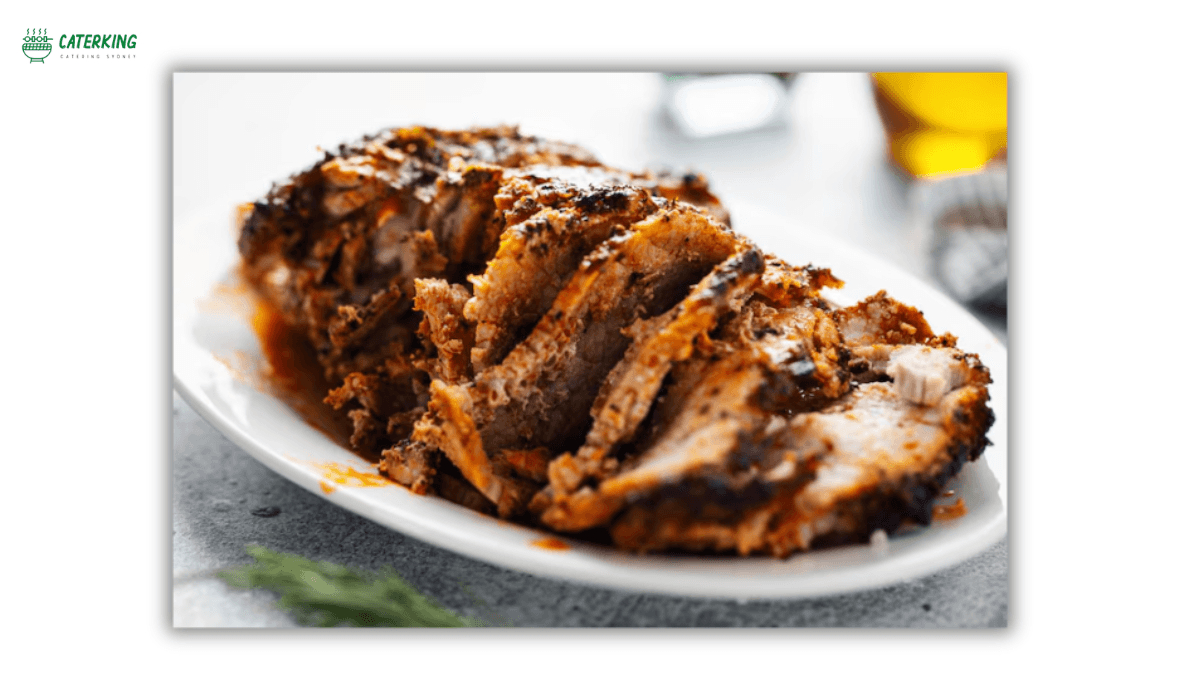
Pork shoulder represents a fundamentally different cooking challenge compared to loin or tenderloin cuts due to dense connective tissue composition requiring thermal breakdown for palatability. While standard pork cuts achieve food safety at 63°C internal temperature, pork shoulder demands 85-90°C minimum to transform tough collagen proteins into succulent gelatin, creating the characteristic "fall-apart" texture associated with quality slow-roasted pork.
Professional spit roast pork shoulder cooking time calculations abandon per-kilogram formulas in favour of temperature-driven approaches. A typical 4-5 kilogram boneless shoulder roast requires 3-4 hours rotating at 250-280°C ambient temperature, with completion determined exclusively by internal probe readings rather than elapsed time. This extended duration enables enzymatic and thermal processes converting resilient connective tissue into tender, shreddable meat suitable for pulled pork applications or thick-slice presentations.
Temperature Progression Through Pork Shoulder Cooking Stages:
The initial warming phase (0-90 minutes) elevates internal temperature from 4°C refrigeration to 40-50°C, activating myoglobin protein changes visible as exterior colour transformation from pink to grey-brown. Surface moisture evaporates creating dry outer layers receptive to Maillard reaction browning, while interior regions remain cool and firm. Rotisserie motion ensures even surface drying preventing localized moisture pockets inhibiting crust development.
The connective tissue breakdown phase (90-180 minutes) represents critical transformation periods where collagen triple-helix structures unwind at 65-70°C, then hydrolyze into gelatin molecules at 75-80°C. This conversion process requires sustained elevated temperatures - rapid temperature spikes followed by cooling fail to achieve complete collagen dissolution. Monitoring internal temperature stability within 75-85°C range for minimum 60-90 minutes ensures thorough connective tissue transformation across entire shoulder mass.
The final rendering phase (180+ minutes) completes intramuscular fat liquefaction while achieving target internal temperatures of 85-90°C for slicing applications or 92-95°C for pulled pork textures. At these elevated endpoints, muscle fibers separate readily with minimal knife pressure, and rendered fat distributes throughout meat structure creating moisture-rich final products. Exceeding 95°C risks excessive moisture loss through protein over-contraction, producing dry, stringy textures despite proper collagen conversion.
Pork Shoulder Recipe Considerations for Rotisserie Applications:
Brining solutions (100g salt per litre water) improve moisture retention capacity through protein restructuring, particularly beneficial for lean shoulder portions lacking natural fat protection. A 12-24 hour brine period preceding rotisserie mounting increases final yield by 8-12% while enhancing seasoning penetration through osmotic pressure differentials. Professional operations balance enhanced moisture against extended preparation timelines required for brining protocols.
Dry rubs applied 2-4 hours pre-cooking create flavourful bark development through sugar caramelization and spice compound integration with surface proteins. Effective rub formulations combine brown sugar (sweetness, caramelization), smoked paprika (colour, mild heat), garlic powder (savoury depth), and coarse salt (seasoning, moisture extraction) in balanced proportions promoting complex flavour layering without overwhelming natural pork characteristics.
With pork shoulder timing protocols established, attention shifts to standard roast cuts where different temperature targets and cooking dynamics apply. These variations demand adjusted timing approaches ensuring optimal outcomes across diverse menu applications.
Internal Temperature Guidelines for Spit Roast Pork Cooking Times
Internal temperature measurement represents the definitive doneness indicator superseding all time-based estimates. Australian food safety standards mandate minimum 63°C core temperature for pork consumption, aligning with international guidelines from the US Department of Agriculture and Canadian health authorities. This threshold ensures pathogenic bacteria elimination (Salmonella, E. coli, Listeria) while preserving juicy texture characteristics through limited protein denaturation.
Modern pork breeding produces significantly leaner animals compared to historical practices - contemporary pork contains 31% less fat than 1990s equivalent cuts. This leanness shift necessitates precision temperature control preventing moisture loss through overcooking. The traditional 75°C pork endpoint produces acceptably safe meat with slightly drier texture, while 63-68°C range delivers optimal juiciness balancing safety with palatability.
Temperature Targets Across Different Pork Applications:
Pork loin and tenderloin cuts achieve ideal texture at 63-68°C internal temperature, producing faintly pink centers with abundant moisture retention. Digital instant-read thermometers inserted into thickest portions away from bones verify accurate readings - contact with bone or fat deposits produces false low readings risking undercooking. Professional caterers remove roasts at 60-63°C, allowing carryover cooking during 10-15 minute rest periods to reach 65-68°C final temperature.
Pork rib roasts benefit from slightly higher 68-72°C endpoints where modest additional cooking tenderizes tougher rib muscles without excessive drying. The bone structure conducts heat efficiently while fat marbling between ribs provides natural basting protection against moisture loss. Monitoring temperature at multiple points (near bone, center muscle, outer edges) ensures even cooking across entire roast circumference.
Pork shoulder, ham, and similar tough cuts require 85-95°C internal temperatures for proper connective tissue breakdown. At 85°C, collagen converts to gelatin creating moist, tender slicing texture. Increasing to 92-95°C produces "pulled pork" consistency where meat separates into shreds with minimal manipulation. These elevated temperatures appear contradictory to moisture retention principles, yet abundant connective tissue and fat content protect muscle fibers from desiccation during extended high-heat exposure.
Resting Periods and Carryover Cooking Phenomena:
Removing pork from heat initiates carryover cooking where residual thermal energy continues raising internal temperatures 3-8°C depending on roast mass. Large shoulder roasts (5+ kilograms) experience 5-8°C temperature rise during 20-30 minute rest periods, while small loin cuts (1-2 kilograms) increase 3-5°C during 10-15 minute rests. Professional timing calculations account for this phenomenon by removing roasts 3-5°C below target temperature, allowing carryover to reach precise endpoints.
Rest periods serve multiple essential functions beyond temperature equilibration. Muscle fiber relaxation following heat-induced contraction enables moisture redistribution from interior regions toward drier exterior layers. Cutting immediately after cooking releases accumulated juices pooling on cutting boards rather than remaining within meat structure. Minimum 10-minute rest periods for small roasts and 20-30 minutes for large cuts dramatically improve moisture retention and slicing characteristics.
Temperature monitoring protocols established, focus shifts to practical timing formulas applicable across common pork cut sizes. These guidelines provide operational frameworks for event planning and execution scheduling.
Spit Roast Cooking Times for 5kg Pork Roasts
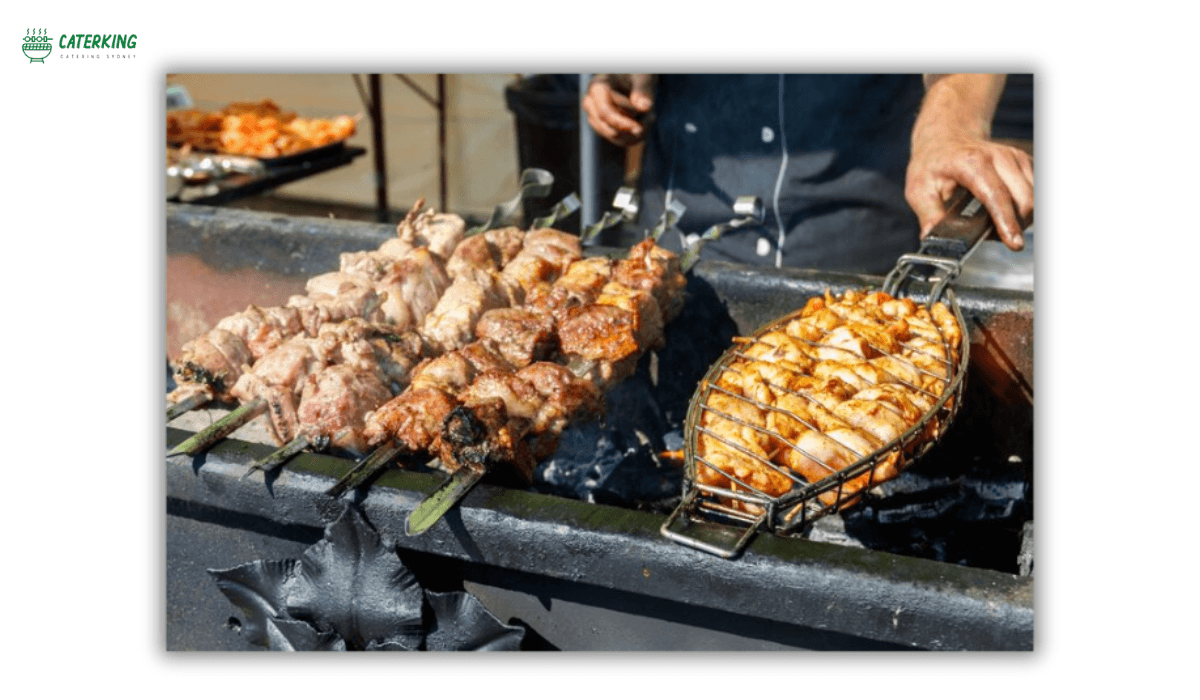
A 5-kilogram pork loin roast requires approximately 6 hours 40 minutes using the standard Australian calculation of 1 hour 20 minutes per kilogram. This baseline estimate assumes optimal conditions: consistent 250-280°C cooking environment, moderate 18-22°C ambient temperature, and properly balanced rotisserie mounting promoting even rotation. Professional caterers plan 7-8 hour windows accounting for setup time, coal preparation periods, and unexpected variables extending actual cooking duration.
Real-world timing for 5kg pork roasts typically ranges 5 hours 45 minutes to 7 hours 30 minutes depending on operational variables. Gas rotisseries with thermostat control deliver shorter durations (5:45-6:30) through consistent heat output, while charcoal systems require longer periods (6:30-7:30) accommodating fuel replenishment intervals and temperature fluctuations. Wind conditions dramatically affect charcoal cooking - strong breezes (20+ km/h) strip heat from cooking chambers, extending times by 30-60 minutes through accelerated heat loss.
Hourly Temperature Progression for 5kg Pork Loin:
Hour 1 (0-60 minutes): Internal temperature rises from 4°C to 35-40°C as exterior surfaces heat rapidly while interior remains cool. Surface moisture evaporates creating dry layer receptive to browning. Minimal visual changes occur during this thermal equilibration phase.
Hour 2-3 (60-180 minutes): Interior temperature climbs 40°C to 55°C as heat penetrates toward roast center. Maillard reaction initiates at surface (145-165°C), developing golden-brown colour and aromatic compounds. Fat begins rendering, dripping into collection pans while basting exterior through rotisserie action.
Hour 4-5 (180-300 minutes): Core temperature progression slows (55-63°C) as thermal mass resists final temperature elevation. This plateau period requires patience - attempting to accelerate through increased heat produces burnt exteriors with raw centers. Monitoring internal temperature every 30 minutes guides endpoint timing.
Hour 6-7 (300-420 minutes): Final temperature push from 63°C to 68-70°C target. Carryover cooking consideration prompts removal at 65°C, allowing 10-15 minute rest to reach 68-70°C serving temperature. Exterior achieves deep mahogany colour with crispy textured surface protecting juicy interior.
Whole Pig Cooking Time Considerations:
Whole pig roasts (20-30 kilograms dressed weight) demand 6-8 hours minimum cooking duration regardless of per-kilogram calculations. The complex carcass geometry creates varied thickness zones - thin belly sections complete quickly while dense shoulder regions lag significantly behind. Professional operations monitor temperatures at multiple sites (shoulder, ham, loin) ensuring all regions exceed 63°C minimum before service.
Larger pigs (30+ kilograms) may require 8-10 hours for complete cooking, particularly in cooler weather or windy conditions. Planning ceremonies around whole pig roasts necessitates generous time buffers - starting cooking 10-12 hours before planned service time accommodates unexpected delays while preventing rushed, undercooked presentations at critical event moments.
With timing fundamentals covered, attention turns to practical cooking techniques optimizing results. These methods distinguish professional outcomes from amateur attempts through systematic approach and attention to critical success factors.
Essential Techniques for Consistent Spit Roast Pork Cooking Times
Proper spit rod mounting creates balanced rotation essential for even cooking. Threading the rod through the roast's longitudinal center distributes weight symmetrically, preventing wobbling that causes uneven heat exposure. Testing balance before heat application reveals weight distribution problems - unbalanced roasts strain rotisserie motors while creating hot spots on downward-facing surfaces and cool zones on upward portions.
Securing roasts with rotisserie forks (prongs) prevents spinning around the rod independent of rod rotation. Forks pierce deeply into meat ends, creating mechanical interlocks transferring rotational force from motor through rod to roast. Loose fork mounting allows roasts to rotate inconsistently or remain stationary while rod spins uselessly beneath, producing severely uneven cooking with burnt sections adjacent to raw portions.
Heat Source Management for Optimal Timing:
Charcoal arrangements require strategic coal placement creating indirect heat zones. Professional setups position coals in two banks flanking the roast's rotation path rather than directly beneath - this prevents localized overheating and flare-ups from dripping fat igniting flames. Maintaining 250-280°C ambient temperature demands adding 2-3 kilograms fresh charcoal every 60-90 minutes, compensating for fuel consumption while avoiding temperature spikes disrupting cooking progression.
Gas rotisseries simplify temperature management through burner controls maintaining steady heat output. Setting outer burners to medium while leaving center burner off creates surrounding heat envelope mimicking charcoal indirect methods. Rotisserie-specific burners mounted at rear cooking chamber provide targeted radiant heat directly toward rotating meat, improving efficiency while reducing cooking duration 15-20% versus standard burner configurations.
Drip pan placement beneath rotating roasts serves dual purposes: catching rendered fat preventing flare-ups, and enabling basting liquid collection for flavour enhancement. Pans positioned 10-15cm below roast surfaces capture drippings while avoiding direct contact with heat sources that cause rapid evaporation. Adding liquids (apple juice, beer, stock) to drip pans creates humid cooking environments reducing moisture loss while infusing subtle aromatics through steam absorption.
Basting Protocols Improving Outcomes:
Regular basting every 30-45 minutes redistributes rendered fat and pan juices across exterior surfaces, promoting even browning while preventing dry spots. Purpose-built basting brushes or mops with long handles enable application without disrupting rotisserie rotation or opening cooking chambers excessively. Effective basting liquids combine rendered pork fat with acidic components (apple cider vinegar, citrus juice) balancing richness with brightness.
Avoiding excessive basting preserves crispy exterior development - over-application creates soggy surfaces resisting crackle formation. Professional technique employs light coating rather than drenching, allowing quick liquid evaporation leaving behind flavour compounds without moisture saturation. Final hour cooking proceeds without basting, permitting complete surface drying and optimal crust formation.
With cooking techniques established, focus shifts to common timing mistakes undermining results. Understanding these pitfalls enables proactive prevention rather than reactive correction attempts.
Common Mistakes Affecting Spit Roast Pork Cooking Time Accuracy
Starting with cold meat from refrigeration extends cooking windows unpredictably. Pork at 4°C requires additional 30-60 minutes reaching target internal temperatures compared to room-temperature equivalents. Professional operations remove pork from cold storage 60-90 minutes pre-cooking, allowing gradual temperature rise to 15-18°C reducing thermal shock while accelerating subsequent cooking phases. This tempering period proves particularly critical for large roasts where cold cores create extended plateau periods resisting temperature elevation.
Neglecting rest periods produces disappointing results despite proper cooking duration. Slicing immediately after reaching target temperature releases accumulated juices pooling on cutting boards rather than remaining within meat structure. Minimum 10-15 minute rest allows muscle fiber relaxation and moisture redistribution - the difference between dry, chewy pork and succulent, tender servings. Large roasts (5+ kilograms) benefit from 20-30 minute rest periods enabling complete thermal equilibration across entire mass.
Equipment-Related Timing Failures:
Malfunctioning rotisserie motors create stationary zones receiving excessive heat exposure while opposite sides remain undercooked. Testing motor function before loading meat reveals potential failures - motors should rotate smoothly at consistent speed (typically 3-6 RPM) without laboring or hesitation. Overloaded motors attempting to turn excessive weight (beyond rated capacity) burn out mid-cooking, requiring manual rotation finishing or emergency equipment replacement.
Inaccurate temperature gauges mislead cooking decisions through false readings. Oven-mounted thermometers measuring ambient chamber temperature may display 250°C while actual temperatures fluctuate 220-280°C depending on burner cycles. Calibrating thermometers against boiling water (100°C at sea level) verifies accuracy - readings deviating more than ±3°C indicate gauge replacement requirements before relying on measurements for critical cooking decisions.
Insufficient fuel planning interrupts cooking momentum when charcoal supplies deplete mid-session. Calculating 8-10 kilograms charcoal for 6-hour cooking sessions provides adequate supply with buffer quantities addressing unexpected consumption from weather conditions. Running out of fuel creates cooling periods restarting thermal processes from lower temperatures, extending total cooking time while producing uneven results from interrupted heat exposure.
Food Safety Timing Compromises:
Rushing cooking processes through elevated temperatures produces dangerous outcomes where exteriors appear complete while interiors remain raw. Visual assessment alone fails to verify safe internal temperatures - only calibrated probe thermometers inserted into thickest portions confirm adequate heat penetration. Professional operations never rely on timing formulas exclusively, implementing mandatory temperature verification before declaring pork safe for consumption.
Inadequate rest periods tempt cooks to serve immediately upon reaching temperature targets, yet meat temperatures continue rising 3-8°C during carryover cooking phases. This phenomenon creates situations where pork removed at 60°C reaches only 63°C after rest - borderline safe for consumption yet suboptimal for texture quality. Removing roasts 3-5°C below final targets allows carryover cooking, achieving precise endpoints without overshooting.
Beyond basic timing protocols, understanding how to adapt calculations for Australian conditions and diverse pork cuts enables consistent success across varied catering contexts. These refinements separate competent execution from exceptional results.
FAQs
Common questions about spit roast pork cooking times address practical concerns event hosts and catering clients encounter when planning functions requiring precise timing coordination with other service elements.
How Long Per Kg for Spit Roast Pork in Sydney Weather Conditions?
Standard Australian timing of 1 hour 20 minutes per kilogram applies to Sydney's moderate climate during spring, autumn, and mild summer days (18-25°C ambient temperature). Hot summer conditions (30-35°C) reduce cooking times 10-15% through ambient heat contribution warming meat surfaces passively. Conversely, winter cooking (10-15°C ambient) extends durations 10-15% as heat energy dissipates rapidly into cold air surrounding rotisserie chambers. Professional Sydney catering operations adjust formulas seasonally, calculating 1 hour 15 minutes per kilogram in summer versus 1 hour 25 minutes during winter months for identical pork cuts.
What Temperature Is Spit Roast Pork Done?
Minimum safe internal temperature for spit roast pork reaches 63°C as mandated by Australian food safety standards, ensuring pathogenic bacteria elimination while preserving moisture. Optimal serving temperature targets 65-70°C for pork loin and tenderloin cuts, balancing food safety with juicy texture. Spit roast catering for large gatherings services typically remove roasts at 65°C, allowing carryover cooking during 10-15 minute rest periods reaching 68-70°C final temperature. Pork shoulder requires significantly higher 85-90°C internal temperature for proper connective tissue breakdown creating tender, shreddable texture.
Can You Speed Up Spit Roast Pork Cooking Time?
Increasing rotisserie temperature above 300°C produces burnt exteriors with raw interiors rather than accelerating cooking proportionally. Physics governing heat conduction limits maximum safe temperature increase to 20-30°C above standard 250-280°C range, reducing cooking time only 15-20% while significantly increasing burning risks. More effective acceleration methods include smaller roast portions (2-3kg pieces cook 40% faster than 5-6kg roasts), higher starting meat temperatures (room temperature versus refrigerated), and butterflying thick cuts, increasing surface area exposed to heat. Professional operations maintain standard temperatures, prioritizing even cooking over speed.
How Much Pork Per Person for Spit Roast Events?
Professional catering calculates 200-250g boneless cooked pork per guest for main course servings, accounting for bone weight loss, fat rendering, and moisture reduction during cooking. A 5-kilogram raw boneless pork loin yields approximately 3.5-4 kilograms cooked weight serving 14-20 guests depending on portion generosity and accompanying side dishes. Bone-in cuts require higher raw weight allocation - 300-350g raw bone-in pork per person accounts for skeletal weight removal during carving. Events featuring multiple protein options (BBQ catering combinations) reduce pork allocation to 150g per guest balancing diverse preferences.
What's Best Wood or Charcoal for Spit Roast Pork?
Hardwood charcoal (ironbark, red gum, hickory) delivers optimal results through steady combustion rates producing consistent 250-280°C temperatures across 6-8 hour cooking sessions. Natural lump charcoal burns cleaner than briquettes, avoiding chemical binders and fillers producing acrid flavours. Wood alone (applewood, oak) requires constant attention maintaining temperature stability - wood burns hotter initially then cools rapidly demanding frequent addition. Professional operations combine charcoal base heat with wood chunks added final 2-3 hours imparting smoke flavour without temperature management complications of wood-exclusive fires.
How to Calculate Cooking Time for Pork Shoulder Recipe?
Pork shoulder abandons per-kilogram calculations favouring temperature-driven timing approaching 3-4 hours minimum regardless of weight within 3-6 kilogram range. Focus shifts from elapsed time to achieving 85-90°C internal temperature enabling collagen-to-gelatin conversion creating tender texture. Smaller shoulders (3-4kg) typically complete in 3-3.5 hours while larger cuts (5-6kg) require 3.5-4.5 hours at consistent 250-280°C cooking environment. Monitoring internal temperature at 2.5-hour mark guides remaining duration estimates - readings of 70-75°C suggest 45-60 minutes remaining, while 60-65°C indicates 75-90 minutes additional cooking required.
What Side Dishes Pair With Spit Roast Pork Catering?
Traditional accompaniments include coleslaw (creamy or vinegar-based) providing acidic contrast to rich pork, roasted seasonal vegetables (carrots, parsnips, pumpkin) complementing savoury profiles, and potato preparations (roasted, mashed, salad variations) offering starch balance. Fresh bread rolls enable guests assembling pulled pork sandwiches for casual dining formats. Professional wedding catering menus pair spit roast pork with apple sauce (natural fruit acid cuts fattiness), stuffing variations (sage and onion, apple and walnut), and garden salads providing fresh, light options balancing heavier protein servings. Calculating 150-200g total side dishes per guest ensures adequate accompaniment without overwhelming pork as featured protein.
Understanding precise spit roast pork cooking times enables Australian catering operations, home cooks, and event planners to deliver consistently excellent results across diverse pork cuts and cooking contexts. Temperature monitoring supersedes time estimates as the definitive doneness indicator, while systematic preparation techniques and equipment management optimise outcomes regardless of environmental variables affecting duration calculations.
Let Catering Sydney elevate your catering experience - Get in touch with us now!
You might also like