Spit Roast Pork Shoulder: Time, Temp & Crackling
Few cuts deliver the combination of textures that a properly cooked spit roast pork shoulder does, crackling that shatters on contact, a deeply caramelised crust, and meat that pulls apart along its natural grain after hours of rotational heat. This guide covers every stage: cut selection, preparation, heat management, internal temperature targets, the resting process, and the most common failure points that leave cooks with dry meat and rubbery skin.
Whether this is the first time a pork shoulder is going on a spit or the twentieth, the same physics governs the result. For readers comparing home cooking technique with event service options, spit roast catering also shows how this cooking style is used for larger gatherings.
Why Pork Shoulder Works for This Method
Pork shoulder contains two things that make it suited to a long, high-heat rotisserie cook: intramuscular fat and collagen.
The fat renders slowly into liquid during cooking, migrating through the muscle fibres and keeping the meat moist from the inside out. A leaner cut like pork loin lacks enough fat to survive the same cook without drying significantly.
The collagen, the connective tissue running through the shoulder is what makes this cut demanding but rewarding. Below 70°C it stays tough. Held above that for long enough, it converts to gelatin, producing the sticky, pull-apart texture that defines a well-cooked pork shoulder spit roast. That conversion takes time at a sustained temperature. Spit roasting provides exactly that.
Preparing Pork Shoulder for the Spit
Preparation determines outcomes more than any other stage of the cook. A shoulder that is poorly trimmed, inadequately seasoned, or incorrectly mounted on the spit will produce inferior results regardless of how well the heat is managed during cooking. The following covers each preparation step in sequence.
Selecting the Cut
For spit roasting, a bone-in pork shoulder is preferable to a boneless cut in most circumstances. If the question is broader than shoulder alone, this guide to
what is the best meat for a spit roast helps explain where pork shoulder fits among the most reliable roasting cuts.
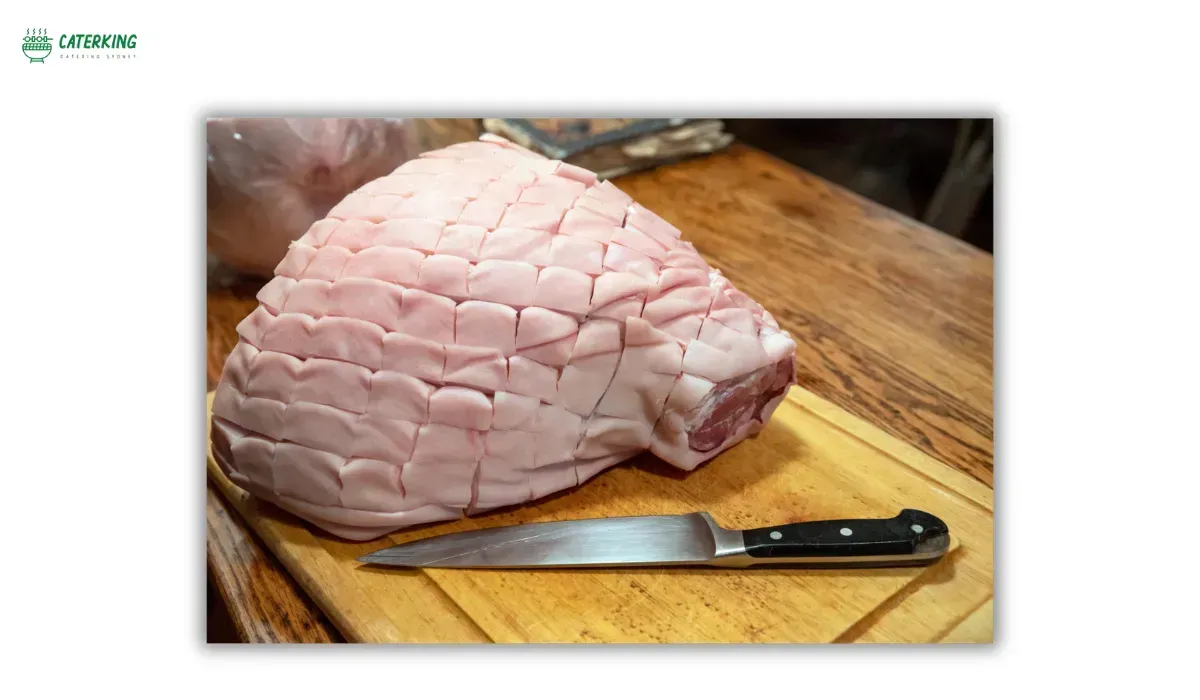
In Australian butchers and supermarkets, a bone-in pork shoulder typically comes as the whole shoulder with skin on, or as a Boston butt (the upper portion). For spit roasting with crackling as the goal, skin-on is essential. The skin provides the raw material for crackling; it cannot be replicated after the fact.
For a group of 10 to 15 people, a shoulder between 3 and 5 kilograms (bone-in) is appropriate. For larger planning estimates, it also helps to understand how many people a spit roast can feed before choosing the final cut size.
Ask the butcher to score the skin in a crosshatch or parallel pattern with cuts approximately 1 centimetre apart and 3-4 millimetres deep. Scoring allows the fat beneath the skin to render outward through the cuts during cooking, the exact mechanism that produces crackling. Without scoring, the fat layer traps steam between the skin and the flesh, softening the skin rather than crisping it.
Seasoning
Seasoning for spit roast pork shoulder should penetrate as deep into the meat as possible while creating a flavourful crust on the exterior. A two-stage approach, a dry brine followed by a surface rub produces the most complete results.
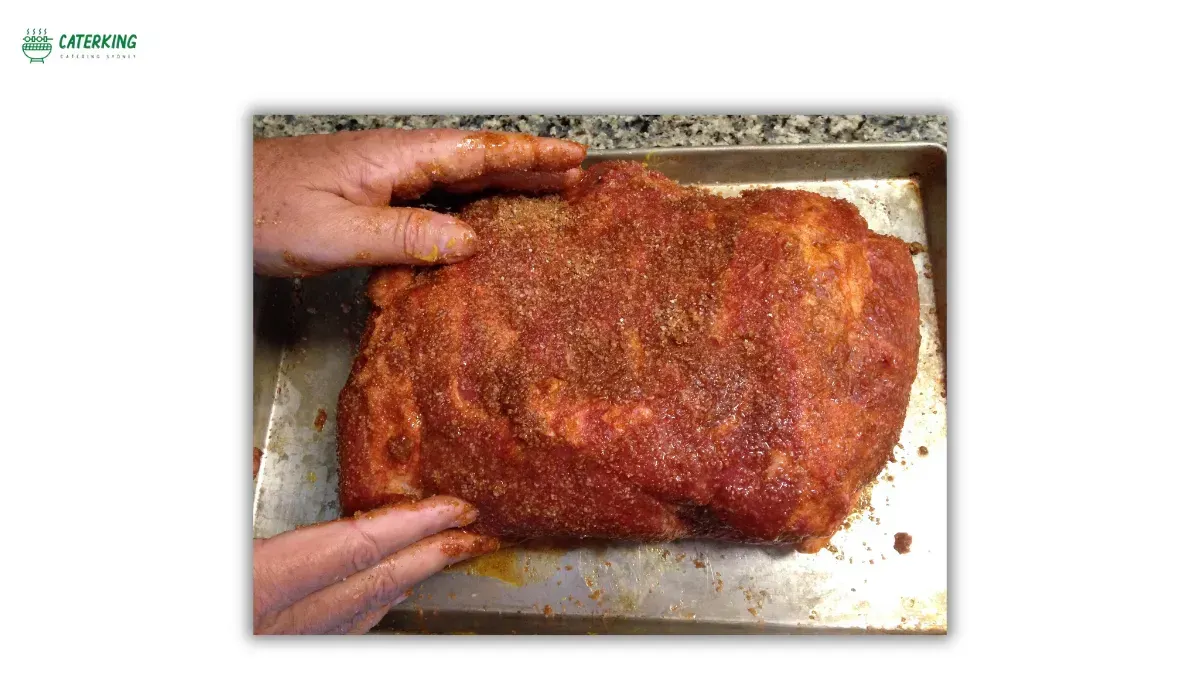
Dry brining involves applying a layer of fine salt directly to the surface of the pork, including into the score marks on the skin, and refrigerating the meat uncovered for a minimum of 12 hours. Salt draws moisture from the interior of the meat through osmosis; this moisture then dissolves the salt and is reabsorbed into the muscle tissue, distributing the salt throughout. The uncovered refrigeration simultaneously dries the surface of the skin, which is critical for crackling formation. A standard dry brine uses 1 teaspoon of fine salt per kilogram of meat. For a 4-kilogram shoulder, that is 4 teaspoons spread across all surfaces.
The rub is applied after dry brining, immediately before the shoulder goes onto the spit. A functional seasoning for spit roast pork contains three elements: a fat carrier (oil), flavour agents (aromatics and spices), and a browning accelerator used sparingly (a small amount of brown sugar). A reliable base rub for Australian-context pork shoulder spit roast:
- 2 tablespoons of olive oil
- 2 teaspoons of garlic powder
- 1 teaspoon of smoked paprika
- 1 teaspoon of ground fennel seed
- 1 teaspoon of freshly ground black pepper
- 1 teaspoon of brown sugar (optional use sparingly as high sugar content chars during extended cooks)
Work the rub into every surface of the meat, including into the score cuts. Do not apply oil directly to the scored skin if crackling is the goal excess surface oil creates a steaming effect and prevents the skin from drying out and crisping.
For deep flavour penetration in larger cuts, inject the shoulder with a marinade using a meat injector. A simple injection of apple juice, Worcestershire sauce, garlic, and salt distributed in 20-millilitre increments across the thickest parts of the shoulder adds internal moisture that surface seasoning alone cannot achieve.
Mounting
Correct mounting is the most underestimated step in the preparation process. A shoulder that shifts, wobbles, or rotates unevenly on the spit cooks inconsistently; some areas over-expose to heat while others remain underdone.
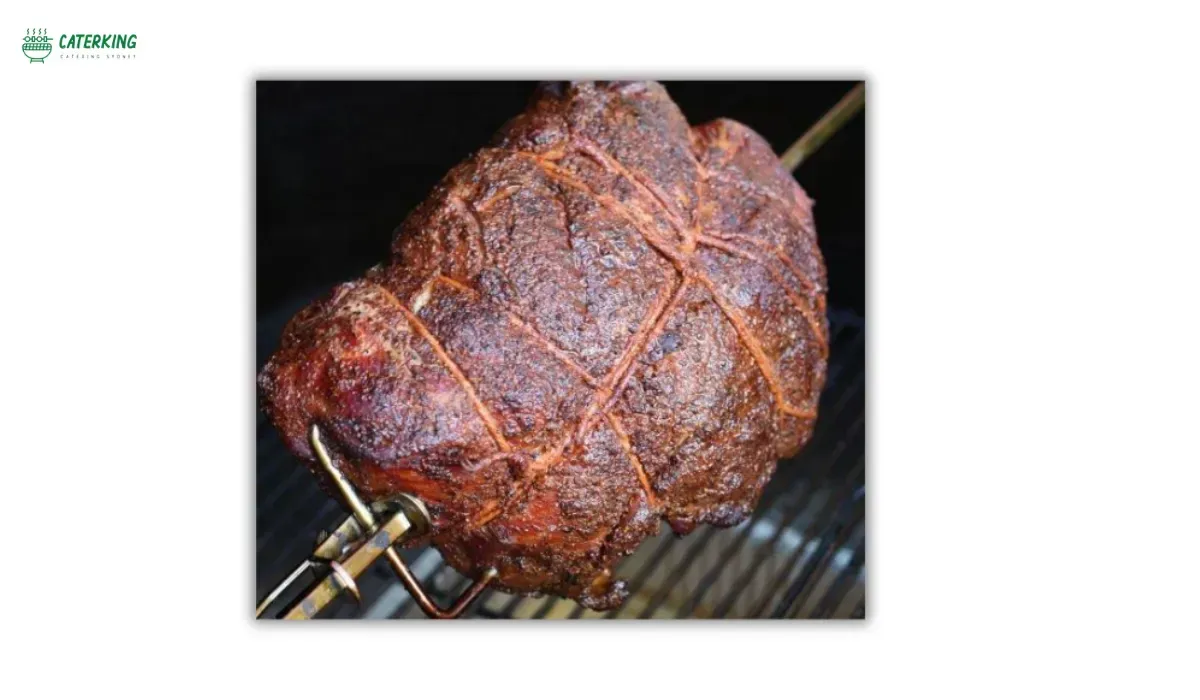
Before threading the spit rod, truss the shoulder firmly with butcher's twine. Pull the meat into the tightest, most symmetrical shape possible and tie it at intervals of approximately 4 centimetres. The goal is to eliminate protruding flaps of meat that cook faster than the rest of the roast and burn before the interior is done.
Thread the spit rod through the geometric centre of the shoulder. If the rod is off-centre, the meat will be heavier on one side, causing the motor to work harder and creating a pendulum effect during rotation; the lighter side stays closer to the heat for longer per revolution, resulting in uneven cooking.
Once the shoulder is centred on the rod, position the spit forks and tighten them firmly. The meat must not move independently of the rod during rotation. Spin the rod by hand before connecting to the motor if the meat slides or rocks, re-tighten the forks before starting the cook.
Cooking Pork Shoulder on a Spit
The cooking phase involves managing three variables simultaneously: heat level, cooking time, and internal meat temperature. Each of these is measurable, and the relationship between them determines the outcome.
Heat Setup
The heat source for a spit roast can be charcoal, gas, or wood. Readers weighing spit cooking against other roasting methods can also compare
roasting vs rotisserie to understand how continuous rotation changes texture and fat rendering.
Position the heat source to maintain an indirect cooking zone beneath the spit. The meat should not sit directly over the flame or embers during the primary cook phase. A drip tray is not optional; rendered fat dripping onto a live flame creates sustained flare-ups that produce acrid smoke and scorch the meat surface. The drip tray catches this fat and can be filled with a small amount of water, apple juice, or herbs to add aromatic steam to the cooking atmosphere.
Target an ambient grill temperature of 150-165°C (300-330°F) measured at the level of the meat for the primary phase of cooking. At this temperature, collagen conversion proceeds steadily while the exterior builds colour gradually. Higher ambient temperatures accelerate surface browning faster than the interior can cook through, producing a burnt crust over an underdone centre.
On a charcoal setup, add fresh coals incrementally every 45 to 60 minutes to prevent temperature drops. On a gas spit roaster, set the burner to medium-low with the lid closed.
Cooking Time
Cooking time for a whole pork shoulder on a spit roast at 150-165°C is approximately
1 to 1.5 hours per kilogram for bone-in cuts.
| Shoulder Weight | Estimated Cook Time |
|---|---|
| 2-3 kg | 2.5 - 4 hours |
| 4-5 kg | 4.5 - 6.5 hours |
| 6-8 kg | 7 - 10 hours |
These are planning guides, not precise timers. Internal temperature, not time, is the definitive indicator of doneness. The exterior may appear fully cooked an hour or more before the collagen at the centre has converted, leaving the inner muscle groups tough and under-rendered. Always probe before pulling.
Internal Temperature
Pork shoulder has two distinct internal temperature targets depending on the intended texture:
- 63°C (145°F): The minimum safe internal temperature for whole cuts of pork in Australia, as per FSANZ food safety standards. At this temperature the meat is safe to eat but the collagen is largely unconverted, the texture will be firm, and the muscle fibres will resist pulling.
- 88-95°C (190-203°F): The target temperature for tender, pullable spit roast pork shoulder. At this range, collagen has fully hydrolysed into gelatin and the intramuscular fat has rendered. The meat separates easily along natural muscle seams and shreds cleanly.
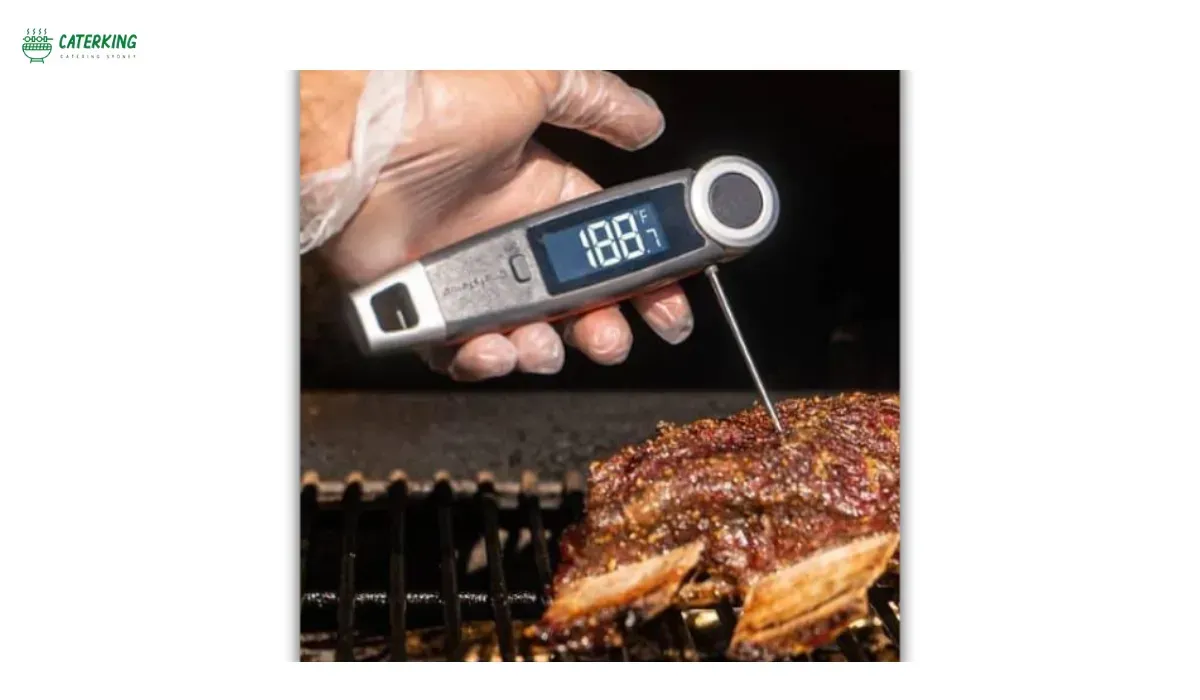
Measure internal temperature in the thickest part of the shoulder, away from the bone. The bone conducts heat and registers higher than the surrounding muscle, probing against the bone produces a falsely elevated reading and leads to underdone meat.
Use a probe-style digital thermometer inserted parallel to the spit rod, not perpendicular to it, to ensure the tip sits in the geometric centre of the thickest muscle mass. Once temperature reaches 88°C, confirm doneness by probing with a thin metal skewer it should pass through with zero resistance, the way a knife passes through room-temperature butter.
Fat Rendering
Fat rendering begins when the surface fat reaches approximately 40°C and accelerates significantly above 60°C. On the spit, the outer fat layer renders first, with the liquid fat migrating outward through the score cuts or running across the surface as the meat rotates.
In a 5-kilogram shoulder, the fat seams running through the deepest muscle groups may still be partially intact when surface fat has fully rendered. This is why an extended cook at moderate temperature is essential. A short, high-heat cook renders the surface fat quickly but cannot drive heat deep enough to reach the internal fat deposits before the exterior dries out.
Visible indicators of correct fat rendering: the surface appears glistening and wet in the first hour, then progressively dryer as the fat cooks off. The drip tray will collect liquid throughout the cook. A fully rendered shoulder has a noticeably reduced weight and a slightly collapsed profile compared to its raw size.
Achieving Crispy Crackling
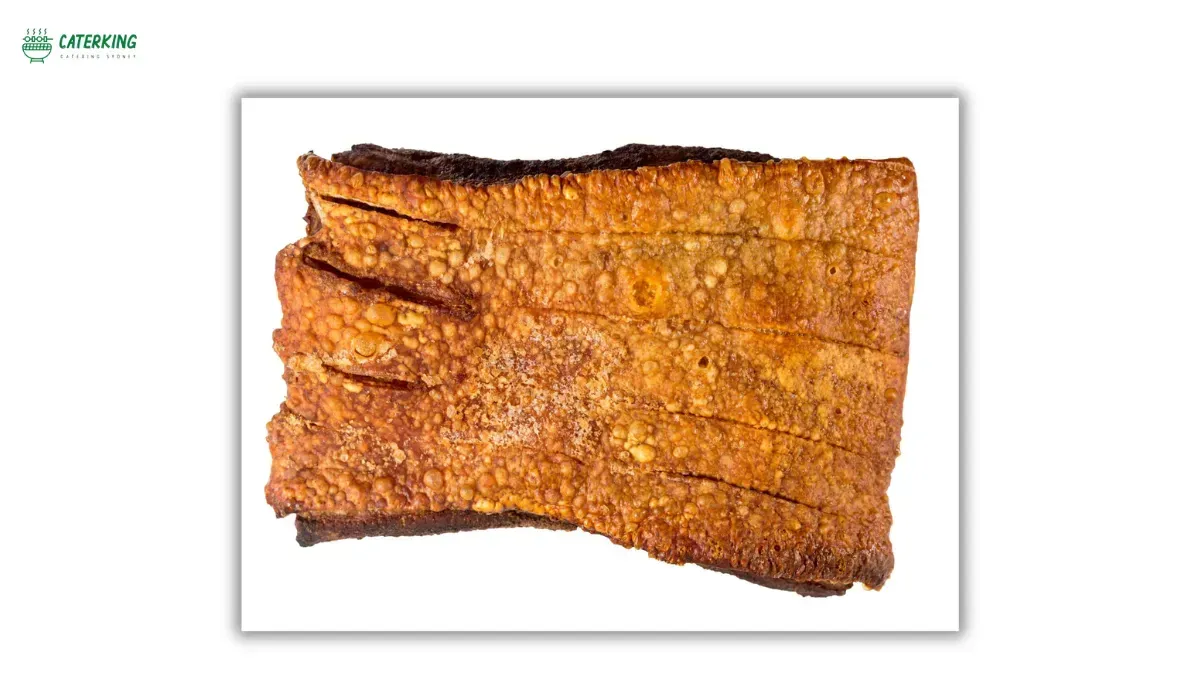
Crackling is not a guaranteed outcome, it is a technically specific result that requires both correct preparation and precise heat sequencing. The failure rate among home cooks is high, and almost every failure traces back to one of three causes: residual moisture in the skin, insufficient heat at the right moment, or scoring that is too shallow.
Drying the Skin
Any moisture present when the skin first hits radiant heat converts to steam, which creates pressure beneath the skin surface and causes it to bubble and toughen rather than crisp. The skin must be completely dry before the shoulder goes near a heat source.
Dry brining achieves surface drying through salt-induced moisture draw and uncovered refrigeration. A minimum of 12 hours is required; 24 hours produces more consistent results. Before mounting the shoulder on the spit, pat the skin surface completely dry with paper towels. Pay particular attention to the score cuts where moisture collects and is often missed.
After patting dry, apply a thin layer of fine salt to the skin and score cuts only. Do not apply oil to the skin. Some experienced Australian spit roasters apply a very thin layer of white vinegar or lemon juice before the final salt application; the acidity aids surface protein denaturation, contributing to a harder, more brittle crackling structure.
Heat Control
During the primary phase at 150-165°C, the skin darkens gradually and begins to bubble slightly as the fat beneath it starts rendering. At this stage the skin is transitioning from raw to cooked, it is not yet crackling.
In the final 20 to 30 minutes of the cook, once the internal temperature is within 5-8 degrees of the target, increase the heat significantly. On a gas spit, raise the burner to high. On a charcoal spit, add fresh coals or reduce the height of the meat above the coals. The ambient temperature at the meat surface should reach 220-240°C (430-465°F) during this phase.
This high-heat finish is what converts the surface skin into crackling. The intense radiant heat rapidly drives out residual moisture and causes the skin to puff, harden, and develop the characteristic blistered texture. Watch the skin closely at this temperature, the difference between perfect crackling and burnt skin is a matter of minutes.
Timing the Crackling Phase
The correct sequence is: achieve target internal temperature first, then apply high heat for crackling. Attempting the crackling phase before the fat layer has fully rendered causes the unrendered fat to insulate the skin and prevent it from reaching the temperature required for crackling formation.
If the skin has darkened but not crackled by the time the meat reaches internal temperature, remove the shoulder from the spit and transfer it to a conventional oven preheated to 240°C (465°F) for 10-15 minutes, skin-side up on a rack. The dry, enclosed heat of the oven completes the crackling efficiently.
Resting and Carving Spit Roast Pork Shoulder
Resting is not optional, it is the step that determines whether the juices stay in the meat or end up on the board.
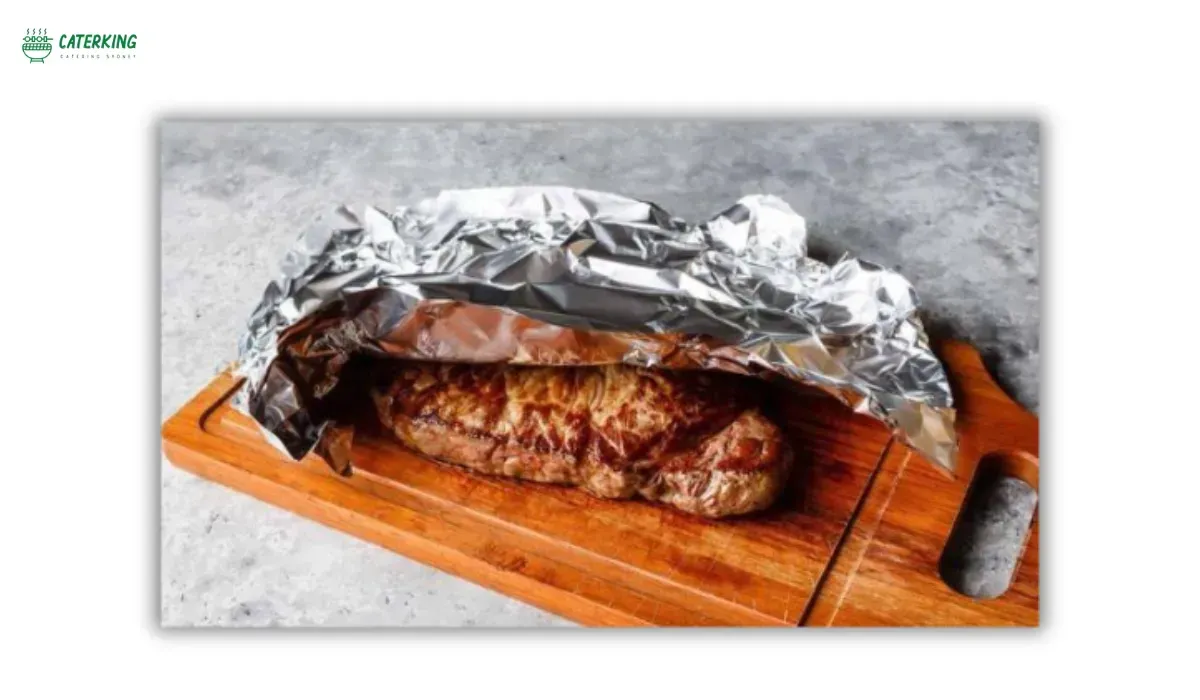
When pork shoulder comes off the spit, the muscle fibres are contracted and tightly bound from the sustained heat. The moisture within those fibres is under pressure. If the shoulder is cut immediately, that liquid runs out freely onto the carving surface, leaving the meat noticeably dryer with each slice. Resting allows the muscle fibres to relax, the internal pressure to equalise, and the moisture to redistribute throughout the cut.
For a bone-in pork shoulder, rest for a minimum of 20-30 minutes off the spit before carving. Tent the shoulder loosely with foil not wrapped tightly, which traps steam and softens the crackling. Place a clean tea towel over the foil to retain heat. The internal temperature will continue to rise by 3-5°C during this period (carryover cooking), which is factored into the pull temperature.
For pulling the meat, no rest extension is required beyond 20 minutes, the shoulder at 88-95°C internal will pull cleanly once it has had time to settle.
Carving: Use a sharp carving knife and work against the grain of the muscle. Pork shoulder has multiple muscle groups running in different directions; identify the grain in each section and carve perpendicular to it. This severs the muscle fibres at their shortest point, producing the most tender slices. Remove the crackling first and keep it separate; moisture from carved meat can soften crackling if they are stored in contact.
Common Cooking Failures and Why They Happen
Dry, stringy meat results from one of two conditions: insufficient internal temperature (not enough collagen conversion, leaving the muscle fibres bound together and tough), or ambient heat that is too high (rendering the surface fat before the collagen has time to convert, stripping moisture from the outer layers). The solution for tough meat is more time at the same moderate temperature, collagen conversion continues as long as the meat is held above 70°C. For meat that has dried from excessive heat, reducing the ambient temperature and extending the cook is the correct adjustment.
No crackling, rubbery skin is almost always a moisture problem either the skin was not adequately dried before cooking, oil was applied to the skin surface, the fat beneath the skin had not fully rendered before the high-heat phase, or the scoring was too shallow. Score cuts less than 3 millimetres deep do not penetrate the fat layer. The fat has no exit path and steams the skin from below.
Uneven cooking where one side is overcooked and the opposite is underdone, is caused by an off-centre spit rod, uneven heat distribution, or loose trussing. Off-centre rod placement cannot be corrected during the cook; it requires remounting before the cook begins.
Burnt surface, raw interior occurs when ambient temperature is too high during the primary phase. At temperatures above 200°C, the exterior chars while the internal temperature is still in the 50-60°C range. If the surface has already burnt, wrap the shoulder loosely in foil to prevent further charring while the interior finishes, the foil will prevent crackling, but it will save the meat.
FAQs About Spit Roast Pork Shoulder
These common questions address the practical details that matter most once the basics are understood, from basting and fuel choice to preparation timing, resting, and serving. Each answer is designed to clarify the decisions that most directly affect texture, crackling, flavour, and overall cooking consistency.
Do you need to baste pork shoulder on a spit roast?
No, basting a pork shoulder on a spit roast is largely unnecessary and can actually work against crackling formation.
The rotation mechanism continuously moves the rendered surface fat across the meat, creating a self-basting effect that no brush can replicate. Applying an additional baste during the primary cook introduces liquid to the skin surface, which delays drying and pushes back the crackling window.
The one exception is a glaze applied in the final 10-15 minutes of the cooking. A thin coat of honey, apple juice, or mustard applied once in the last stage adds colour and a slight caramelised flavour without significantly wetting the skin. If crackling is not the priority, basting every 45-60 minutes with a light mop of apple cider vinegar, oil, and garlic adds depth to the crust. But if crackling is the goal, leave the skin alone throughout the cook.
Charcoal or gas which is better for spit roast pork shoulder?
Charcoal produces a distinct flavour profile that gas cannot replicate: the combustion of the coals generates volatile compounds that deposit on the outer layers of the meat during the cook, contributing smoke and complexity to the crust.
Gas produces cleaner, more neutral results and is significantly easier to manage for temperature control particularly on longer cooks above 6 hours where maintaining a consistent charcoal bed becomes labour-intensive.
For flavour, charcoal wins. For consistency and ease, gas is more reliable. For event catering contexts where multiple shoulders are running simultaneously and temperature stability across units matters, gas is the practical choice.
For a home cook doing a single shoulder who wants maximum flavour impact, natural lump charcoal over a dedicated bed of coals produces a result that is noticeably different from gas.
Can I prepare spit roast pork shoulder the night before?
Yes, and doing so produces better results than same-day preparation.
Applying the dry brine the night before (or up to 24 hours before cooking) gives the salt more time to draw moisture from the interior, dissolve, and be reabsorbed into the muscle tissue. The overnight uncovered refrigeration simultaneously desiccates the skin surface, which directly improves crackling formation.
Trussing can also be done the night before and the shoulder left tied in the refrigerator overnight this helps the meat hold its shape and compress into a more even cylinder. Remove the shoulder from the refrigerator 45-60 minutes before putting it on the spit to allow the outer layers to approach ambient temperature, which reduces the temperature differential between the surface and centre and contributes to more even cooking.
How long should spit roast pork shoulder rest before carving?
A minimum of 20-30 minutes resting time off the spit is required before the shoulder is cut into. During the cook, the sustained heat contracts the muscle fibres and pressurises
the moisture within the cut. Cutting immediately after coming off the spit causes that liquid to run out freely onto the carving surface.
Resting at ambient temperature tented loosely with foil to retain heat while allowing steam to escape allows the muscle fibres to relax and the internal moisture to redistribute. The result is a noticeably juicier cut at the point of carving.
For a pulled shoulder, 20 minutes is sufficient. For a shoulder being sliced, 30 minutes produces the cleanest result. Do not rest the shoulder fully wrapped in foil trapped steam softens the crackling. Loose foil plus a tea towel is the correct approach.
Does spit roast pork shoulder need to be marinated?
No, marinating is not required for a well-prepared spit roast pork shoulder, but it is beneficial for flavour penetration in larger cuts.
A standard surface rub seasons the outer 3-5 millimetres of the meat. A wet marinade applied under the skin or injected directly into the thickest muscle groups carries flavour further into the cut.
The most effective flavour delivery for large bone-in shoulders is an injection marinade, a liquid mixture of apple juice, garlic, salt, and Worcestershire sauce pushed into the meat via a meat injector in 20-millilitre increments across multiple points.
This saturates the interior in a way that neither surface rubs nor soaking marinades can achieve. If marinating in liquid overnight, ensure the skin remains dry and above the marinade level, submerging the skin in liquid defeats the dry-brining work and makes crackling formation nearly impossible.
How do I get even crackling across the whole shoulder on a spit?
Uneven crackling where some sections are perfectly blistered and others remain flat and pale is caused by inconsistent heat distribution during the high-heat crackling phase.
On a spit, the meat rotates through a fixed heat zone; if one section of the shoulder is thicker or positioned further from the heat source, it receives proportionally less radiant energy per rotation.
To address this: during the crackling phase, slow the rotation speed if the spit motor allows adjustment, which extends the time each surface spends facing the heat source per revolution.
On a charcoal spit, redistribute the coals to concentrate heat under the areas of the shoulder that are lagging.
On a gas spit, raise the burner output. If one section has already crackled and another is still flat, shield the done section with a small piece of foil tent while continuing to drive heat toward the underdone area. Consistent scoring depth across the entire skin surface also ensures even fat escape and uniform puffing.
What sides go with spit roast pork shoulder at an event?
The drip tray beneath the spit collects liquid rendered fat throughout the cook and does not discard this.
Placing halved potatoes or root vegetables directly in the drip tray for the final 90 minutes of the cook produces a side dish that is arguably as impressive as the pork itself; the fat-saturated vegetables roast in the rendered pork drippings and absorb all the flavour compounds that have been collecting throughout the cook.
Beyond that, classic Australian spit roast accompaniments include apple and fennel slaw, soft white rolls for pulling pork directly into, and roasted garlic aioli. For broader pairing ideas, see these guides on best spit roast side dishes and
what to serve with spit roast.
Let Catering Sydney elevate your catering experience - Get in touch with us now!
You might also like