Spit Roast Lamb Recipe: Greek-Style Guide Australia
Spit roast lamb recipe techniques transform whole lamb carcasses (17-25kg dressed weight) into succulent ceremonial centerpieces through extended rotisserie cooking periods reaching 5-6 hours total duration. The rotational mechanism enables continuous self-basting where rendered intramuscular fats redistribute across rotating meat surfaces while gravity-fed juices create protective moisture barriers preventing protein fiber desiccation during prolonged heat exposure. Internal temperature monitoring to 75°C ensures complete pathogenic bacteria elimination while collagen structures within shoulder and leg muscles undergo thermal hydrolysis converting tough connective tissue into gelatinous compounds producing characteristic fall-apart tenderness distinguishing professional spit-roasted lamb from conventional oven preparations.
Australian spit roast catering operations implement systematic preparation protocols balancing cultural authenticity (Greek Easter ovelias traditions) with modern food safety standards (temperature verification, hygiene controls). Professional execution demands precise marinade formulation, strategic charcoal positioning, rhythmic basting intervals, and balanced spit mounting, preventing rotational wobbling that creates uneven cooking zones across carcass geometry.
Essential Ingredients for an Authentic Spit Roast Lamb Recipe
Marinade component selection directly influences final flavor penetration depth and moisture retention capacity throughout extended cooking periods. The foundational garlic-olive oil-lemon trinity represents Mediterranean culinary heritage while providing functional benefits - garlic's allicin compounds penetrate muscle tissues during overnight marination, olive oil's monounsaturated fats prevent surface charring, and lemon juice's citric acid partially denatures surface proteins, creating receptive zones for spice adhesion.
Professional Sydney catering services source whole lambs within 17-20kg dressed weight range representing optimal balance between meat yield and cooking manageability. Heavier carcasses (25kg+) require extended cooking periods (7-8 hours) risking exterior overcooking while achieving proper internal temperatures, whereas lighter specimens (12-15kg) lack sufficient intramuscular fat protecting against moisture loss during rotisserie exposure.
- Core Marinade Components for Whole Lamb:
Crushed garlic cloves (15-20 cloves minimum) provide aromatic foundation while contributing antimicrobial properties reducing surface bacterial populations during ambient temperature marination periods. Professional technique crushes garlic into paste consistency rather than mincing - crushed cellular rupture releases maximum allicin concentrations penetrating deeper into meat structure compared to chopped pieces remaining on surface layers.
Extra virgin olive oil (500ml-750ml) serves dual purposes coating exterior surfaces preventing excessive moisture evaporation while facilitating lipid-soluble flavor compound absorption throughout muscle tissue. Cold-pressed varieties retain superior polyphenol concentrations contributing subtle peppery notes complementing lamb's natural gamey characteristics without overwhelming delicate meat flavors.
Fresh lemon juice (8-10 lemons) and whole lemon halves create acidic environment partially denaturing exterior protein structures while citrus essential oils from peel contribute bright aromatic complexity. Cavity-stuffed lemon halves release sustained citrus aromatics throughout cooking duration as internal temperatures activate essential oil volatilization.
- Spice Rub Formulation for Flavor Complexity:
Sea salt (coarse grain, 100-150g) draws surface moisture through osmotic pressure creating brine microenvironment enhancing seasoning penetration while developing crispy exterior texture through protein dehydration and Maillard reaction acceleration. Liberal application across entire carcass ensures adequate seasoning reaches thick shoulder and leg muscle groups requiring stronger flavor presence balancing natural lamb intensity.
Black pepper (freshly cracked, 50g) contributes piperine compounds producing characteristic heat sensation while antioxidant properties prevent fat oxidation during extended cooking exposure. Grinding immediately before application preserves volatile aromatic compounds otherwise lost during storage of pre-ground pepper products.
Dried oregano (40g) and fresh rosemary sprigs (8-10 large stems) represent classic Mediterranean herb pairing delivering earthy, pine-forward aromatics naturally complementing lamb's distinctive flavor profile. Oregano's carvacrol content provides antimicrobial protection during ambient temperature preparation periods while rosemary's camphoraceous notes cut through rich fat content.
Ground cumin (30g) and smoked paprika (40g) introduce warm, smoky depth transforming basic preparation into complex flavor experience. Cumin should be measured conservatively - excessive quantities overpower delicate lamb characteristics creating unbalanced final presentation. Smoked paprika contributes both color (deep mahogany exterior development) and flavor (subtle wood smoke notes) without requiring actual wood smoke generation during charcoal cooking.
Onion powder and garlic powder (25g each) supplement fresh aromatics providing concentrated savory base notes persisting throughout prolonged cooking periods where fresh ingredients' volatile compounds dissipate. Cavity stuffing with whole crushed onions intensifies aromatic infusion while breaking down into sweet, caramelized paste during cooking.
Complete Preparation Steps for Spit Roast Lamb Recipe
Proper lamb preparation begins 12-24 hours before anticipated cooking commencement allowing adequate marination period for flavor penetration and protein modification. Professional operations source whole dressed lamb from reputable butchers removing head (optional - traditional preparations retain head) while preserving intact carcass structure including rib cage, shoulder sections, and hindquarter portions.
- Initial Cleaning and Preparation Protocols:
Rinse entire carcass under cold running water removing residual blood, bone fragments, and butcher debris accumulated during processing stages. Pat thoroughly dry with absorbent paper towels eliminating surface moisture inhibiting spice adhesion - wet surfaces reject dry spice mixtures requiring oil intermediary creating uneven seasoning distribution.
Trim excessive exterior fat deposits exceeding 5mm thickness particularly around kidney region and tail area where thick fat layers insulate meat preventing adequate heat penetration. Moderate fat coverage (2-4mm) provides beneficial self-basting properties while excessive thickness creates rendering issues producing overly greasy final presentation with undercooked interior sections.
Position lamb on large clean work surface (commercial cutting boards or food-grade plastic sheeting) enabling access to both interior cavity and exterior surfaces. Halve lemons and vigorously rub cut surfaces across entire interior cavity walls and exterior skin - citric acid partially denatures surface proteins creating receptive texture for subsequent marinade absorption while lemon essential oils contribute aromatic foundation.
- Marinade Application and Cavity Stuffing Technique:
Combine crushed garlic cloves with olive oil creating paste consistency through mortar and pestle grinding or food processor pulsing. This garlic-oil emulsion penetrates meat structure more effectively than whole garlic pieces remaining superficial during marination. Massage paste vigorously across entire exterior surface and interior cavity walls ensuring complete coverage including difficult-to-reach areas behind shoulder blades and within leg joint pockets.
Sprinkle dry spice mixture (salt, pepper, oregano, cumin, paprika, onion powder, garlic powder) liberally over oil-coated surfaces - oil layer facilitates spice adhesion while preventing immediate seasoning falloff during handling. Professional technique applies approximately double the perceived necessary quantity accounting for substantial meat mass requiring aggressive seasoning penetration.
Stuff body cavity with reserved lemon halves (6-8 pieces), whole peeled garlic cloves (10-12 cloves), fresh rosemary sprigs (6-8 stems), and roughly crushed onions (2-3 medium onions quartered). These aromatics release sustained flavor compounds throughout cooking duration as internal temperatures activate volatile oil vaporization dispersing throughout meat structure.
- Cavity Closure and Spit Mounting:
Thread butcher's twine or stainless steel wire through cavity opening stitching closed to seal aromatic stuffing during rotation. Create holes using sharp metal skewer, knife point, or purpose-built trussing needle spaced 3-4cm apart along cavity edge. Lacing pattern similar to shoe lacing ensures secure closure preventing stuffing spillage during cooking while enabling removal for presentation purposes.
Insert rotisserie spit rod through rear cavity opening advancing longitudinally through body core exiting through front cavity or head region (if retained). Center lamb on spit rod achieving balanced weight distribution preventing rotational wobbling - unbalanced mounting strains motor mechanisms while creating uneven heat exposure zones producing overdone sections adjacent to undercooked areas.
Secure lamb firmly using rotisserie prong forks piercing deeply into shoulder and hindquarter regions creating mechanical interlock transferring rotational force from motor through spit to carcass. Test balance by manually rotating spit - properly mounted lamb rotates smoothly without wobbling or requiring excessive motor effort.
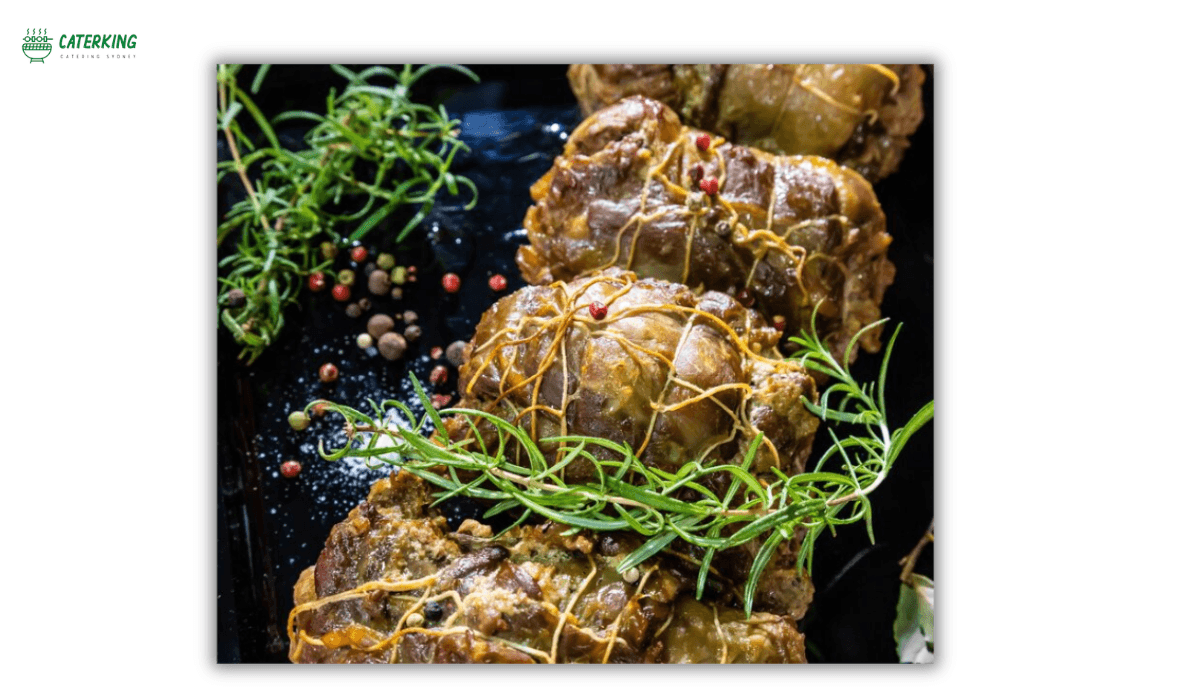
Bind front legs together with wire or twine while similarly securing rear legs interlocking them around spit structure. This leg binding prevents excessive movement during rotation creating consistent cylindrical profile promoting even heat distribution across entire carcass circumference.
Spit Roast Lamb Cooking Time and Temperature Management
Spit roast lamb cooking time demands 5-6 hours minimum for whole carcasses (17-20kg dressed weight) achieving proper internal temperatures (75°C) throughout thickest muscle groups while developing characteristic mahogany-colored crispy exterior texture. Professional Sydney wedding catering operations allocate 7-8 hour total windows accounting for charcoal preparation, equipment setup, actual cooking duration, and mandatory resting periods before carving service.
Smaller lamb legs (1.5-2kg deboned) require significantly reduced cooking periods averaging 90 minutes achieving 60-65°C internal temperature delivering medium-rare doneness preferred for individual leg presentations. The substantial time differential reflects fundamental thermodynamic principles - smaller mass heats more rapidly than larger bodies requiring extended duration for thermal energy penetration toward core regions.
- Charcoal Selection and Fire Management:
Australian operations favor ironbark hardwood charcoal producing sustained high-temperature combustion (250-280°C ambient chamber temperature) across extended cooking periods without requiring frequent fuel replenishment. Natural lump charcoal burns cleaner than compressed briquettes avoiding chemical binder residues producing acrid smoke flavors contaminating delicate lamb meat.
Fuel quantity calculations specify 8-12kg quality hardwood charcoal for 5-6 hour whole lamb cooking sessions accounting for gradual fuel consumption and periodic replenishment maintaining consistent temperature zones. Insufficient charcoal preparation creates cooling periods interrupting cooking momentum while excessive fuel generates uncontrolled temperatures producing burnt exteriors with raw interiors.
Position charcoal in two parallel banks flanking central drip pan area rather than directly beneath rotating lamb. This indirect heat configuration prevents localized overheating and flare-ups from dripping fat igniting flames scorching belly region. Drip pan positioned beneath lamb catches rendered fats preventing fire hazards while collecting flavorful drippings suitable for basting liquid enrichment or sauce preparation.
- Basting Protocol and Moisture Preservation:
Prepare ladolemono basting mixture combining olive oil (500ml) with fresh lemon juice (250ml) and pinch of salt creating emulsified coating applied every 20-30 minutes throughout cooking duration. This rhythmic basting redistributes moisture across rotating surfaces preventing dry spots while contributing cumulative flavor layering through repeated application cycles.
Reserve several rosemary sprigs from cavity stuffing for basting brush aromatics - dipping rosemary bundle into ladolemono then brushing across lamb surfaces infuses additional herbal notes while natural brush bristles prevent metal basting brush reactions with acidic lemon juice. Purpose-built silicone basting brushes with long handles enable application without disrupting rotisserie rotation or opening cooking chamber excessively.
Monitor internal temperature beginning at 3-hour mark for whole lambs inserting digital probe thermometer into thickest portions of shoulder and hindquarter regions avoiding bone contact producing false low readings. Initial readings typically register 45-55°C indicating substantial remaining cooking requirement. Temperature progression slows considerably during final cooking phases as thermal mass resists additional heat absorption - patience during this plateau period proves essential achieving proper doneness without rushing through increased heat application.
Target removal temperature of 72-73°C accounting for carryover cooking during resting periods elevating final internal temperature to 75°C food safety threshold. Exceeding 80°C risks excessive moisture loss through protein over-contraction producing dry, stringy texture despite proper preparation and basting protocols.
- Visual Doneness Indicators:
Beyond temperature monitoring, experienced operators recognize visual cues signaling proper completion. Skin develops tight, crackling texture with deep mahogany-bronze coloration particularly across shoulder and rib sections receiving maximum direct heat exposure. Clear bubbling liquid emerges when sharp skewer pierces thickest muscle areas indicating complete fat rendering and protein coagulation.
Meat begins naturally separating from bone structures particularly visible along rib cage where individual ribs become distinctly outlined beneath tightening skin. Legs exhibit loosening from hip and shoulder sockets enabling slight movement when manipulated - this joint loosening indicates complete connective tissue breakdown achieving desired fall-apart tenderness characteristic of properly executed spit roast lamb.
Resting, Carving, and Presentation Techniques
Remove completed lamb from rotisserie heat carefully supporting weight while extracting spit rod through loosened cavity structure. Transfer to large carving board or foil-lined tray enabling juice collection during resting period. Cover loosely with aluminum foil creating insulated environment retaining heat without trapping steam softening crispy skin texture.
Rest whole lamb minimum 15-20 minutes allowing muscle fiber relaxation and moisture redistribution from interior regions toward drier exterior layers. Cutting immediately releases accumulated juices pooling on carving surface rather than remaining within meat structure - this critical resting period dramatically improves final presentation moisture and flavor concentration.
- Professional Carving Approach:
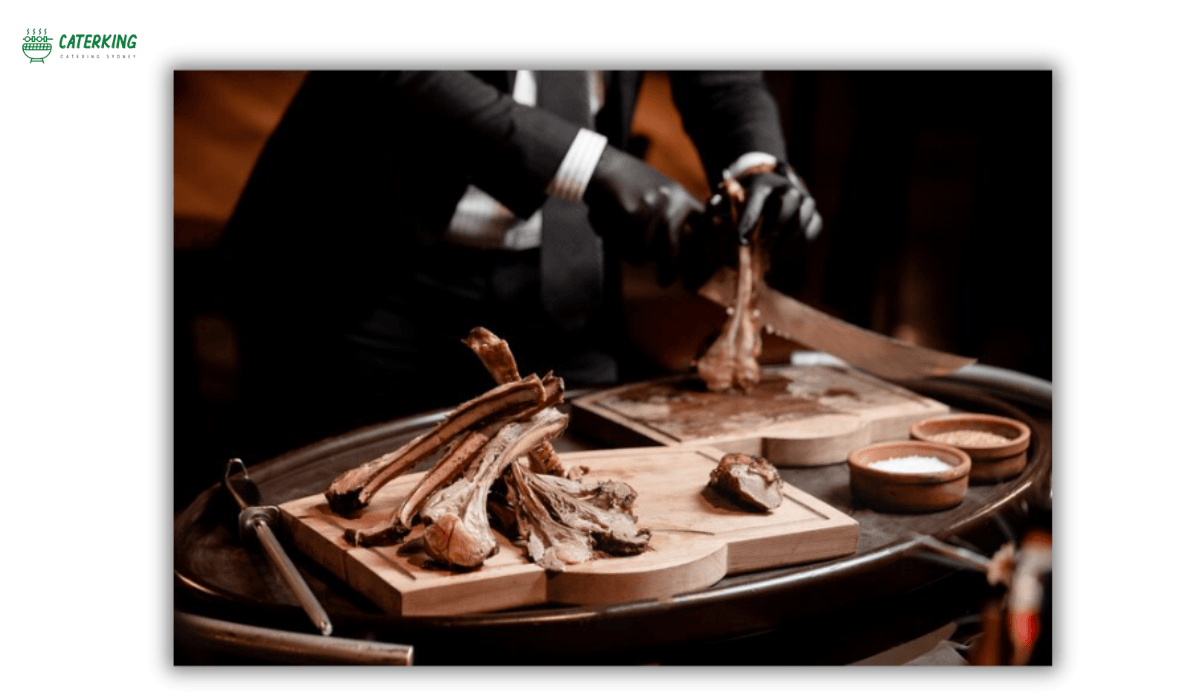
Professional catering for large gatherings requires systematic carving strategy maximizing yield while maintaining presentation quality. Begin with shoulder portions working blade between shoulder blade and rib cage structures separating entire front quarter. Shoulder meat shreds readily due to abundant connective tissue breakdown - present as pulled lamb portions ideal for casual service formats.
Progress to rib section carving individual chops through intercostal spaces creating elegant bone-in servings. Rib meat demonstrates medium texture balancing tender fat marbling with slight chew characteristic of this moderately exercised muscle group. Reserve crispy rib tips for guests preferring crunchy textured portions.
Hindquarter legs represent premium cuts delivering thick slices suitable for formal plated presentations. Carve parallel to bone removing large muscle groups then slice perpendicular to grain creating tender portions maximizing natural tenderness. Leg meat exhibits deeper pink color compared to shoulder regions due to reduced connective tissue content and different muscle composition.
- Accompaniment Recommendations:
Traditional Greek presentations feature tzatziki sauce (yogurt-cucumber-garlic emulsion) providing cool, tangy contrast to rich lamb flavors. Alternative mint sauce or chimichurri preparations offer bright herbal notes cutting through fat content while complementing Mediterranean seasoning profiles.
Roasted potatoes positioned beneath rotating lamb during final cooking hour absorb flavorful drippings while developing crispy exteriors and creamy interiors. Seasonal vegetable medleys or Greek salad combinations (tomatoes, cucumbers, feta, olives) provide fresh counterbalance to substantial protein portions.
FAQs
Common questions about spit roast lamb recipe preparation address practical concerns event hosts and catering clients encounter when planning traditional lamb presentations for celebrations, family gatherings, and cultural ceremonies.
How Long to Cook Whole Lamb on Spit Rotisserie?
Whole lamb cooking time requires 5-6 hours minimum for 17-20kg dressed carcasses achieving 75°C internal temperature throughout thickest muscle groups. Larger specimens (22-25kg) extend duration to 6-7 hours while smaller carcasses (14-16kg) complete in 4.5-5 hours under consistent 250-280°C cooking environment. Weather conditions significantly impact timing - Sydney summer heat (30-35°C ambient) reduces requirements 15-20% compared to winter cooking (10-15°C) where heat dissipates rapidly into cold surrounding air. Wind conditions prove particularly influential disrupting charcoal combustion patterns and stripping heat from cooking chambers extending overall duration.
What Temperature Should Spit Roast Lamb Reach Internally?
Professional Australian food safety standards mandate 75°C minimum internal temperature for whole lamb preparations ensuring complete pathogenic bacteria elimination throughout entire carcass. Individual deboned leg portions achieve optimal texture at lower 60-65°C thresholds delivering medium-rare doneness with faintly pink centers and abundant moisture retention. Shoulder sections benefit from higher 80-85°C endpoints enabling complete collagen-to-gelatin conversion producing characteristic pulled meat texture. Temperature variation across carcass regions reflects different muscle compositions and connective tissue densities requiring operators monitoring multiple sites confirming adequate heat penetration.
How to Keep Spit Roast Lamb Moist During Long Cooking?
Moisture preservation throughout extended cooking periods demands rhythmic basting every 20-30 minutes with ladolemono emulsion (olive oil and lemon juice mixture) redistributing surface liquids across rotating meat preventing dry spot development. Rotisserie rotation mechanism provides inherent self-basting benefits where gravity redistributes rendered intramuscular fats coating exterior surfaces during each revolution cycle. Cavity stuffing with lemon halves and aromatics releases sustained moisture vapor internally while drip pan positioning beneath lamb prevents excessive fat loss collecting flavorful drippings suitable for basting liquid enrichment. Avoiding temperature spikes above 300°C prevents rapid surface moisture evaporation overwhelming natural basting mechanisms.
What Wood or Charcoal Works Best for Spit Roast Lamb Recipe?
Ironbark hardwood charcoal represents optimal Australian fuel choice delivering sustained high-temperature combustion (250-280°C) across 5-6 hour cooking sessions without frequent replenishment requirements. Natural lump charcoal burns cleaner than compressed briquettes avoiding chemical binder residues producing undesirable smoke flavors. Alternative hardwoods include oak and birch (50-70 pounds total) providing comparable heat output with slightly different aromatic profiles. Pure wood cooking demands constant attention maintaining temperature stability - wood burns hotter initially then cools rapidly requiring frequent addition. Professional operations combine charcoal base heat with selective hardwood chunks added final 2 hours imparting subtle smoke flavor without temperature management complications.
Can You Cook Lamb Leg Instead of Whole Lamb?
Deboned lamb legs (1.5-2kg) provide excellent alternatives to whole carcass preparations requiring significantly reduced cooking time (90 minutes) achieving 60-65°C internal temperature. Bone-in legs demand extended periods (2-2.5 hours) ensuring meat adjacent to skeletal structures reaches safe consumption temperatures. Professional technique scores exterior fat cap promoting seasoning penetration while binding legs with butcher's twine creating uniform cylindrical shape ensuring even cooking. BBQ catering operations frequently prepare multiple legs simultaneously on extended spit rods accommodating diverse guest preferences (rare, medium, well-done) through staged removal timing.
What to Serve With Spit Roast Lamb Catering?
Traditional Mediterranean accompaniments include Greek salad (tomatoes, cucumbers, feta cheese, Kalamata olives, red onion), tzatziki sauce (yogurt-cucumber-garlic dip), and warm pita bread ideal for casual service formats. Roasted potatoes positioned beneath rotating lamb during final cooking hour absorb flavorful drippings while developing crispy exteriors - calculate 150-200g potatoes per guest providing substantial starch accompaniment. Fresh herb salads (parsley, mint, dill) with lemon vinaigrette provide bright contrast cutting through rich lamb fat content. Finger food catering combinations enable diverse menu presentations balancing substantial protein portions with lighter appetizer selections.
How Much Lamb Per Person for Spit Roast Events?
Professional catering calculations specify 250-300g raw whole lamb per guest accounting for bone weight, fat rendering, and moisture loss during cooking reducing actual edible yield to approximately 125-150g cooked meat per portion. A 20kg dressed whole lamb serves 65-80 guests when featured as primary protein alongside substantial side dishes and accompaniments. Individual deboned legs (1.5kg raw) yield 6-8 servings factoring 200g raw portions per person. Events featuring multiple protein options reduce lamb allocation to 150-200g raw per guest balancing diverse preferences across varied menu selections.
Understanding proper spit roast lamb recipe techniques enables Australian hosts, professional caterers, and cultural ceremony organizers delivering authentic Mediterranean-style presentations honoring traditional Greek Easter ovelias customs while meeting modern food safety requirements and guest expectations. Temperature monitoring supersedes time estimates as definitive doneness indicator, while systematic preparation protocols and equipment management optimize outcomes regardless of environmental variables affecting cooking duration calculations.
Let Catering Sydney elevate your catering experience - Get in touch with us now!
You might also like