Family Style Catering Wedding: Shared Plates Guide
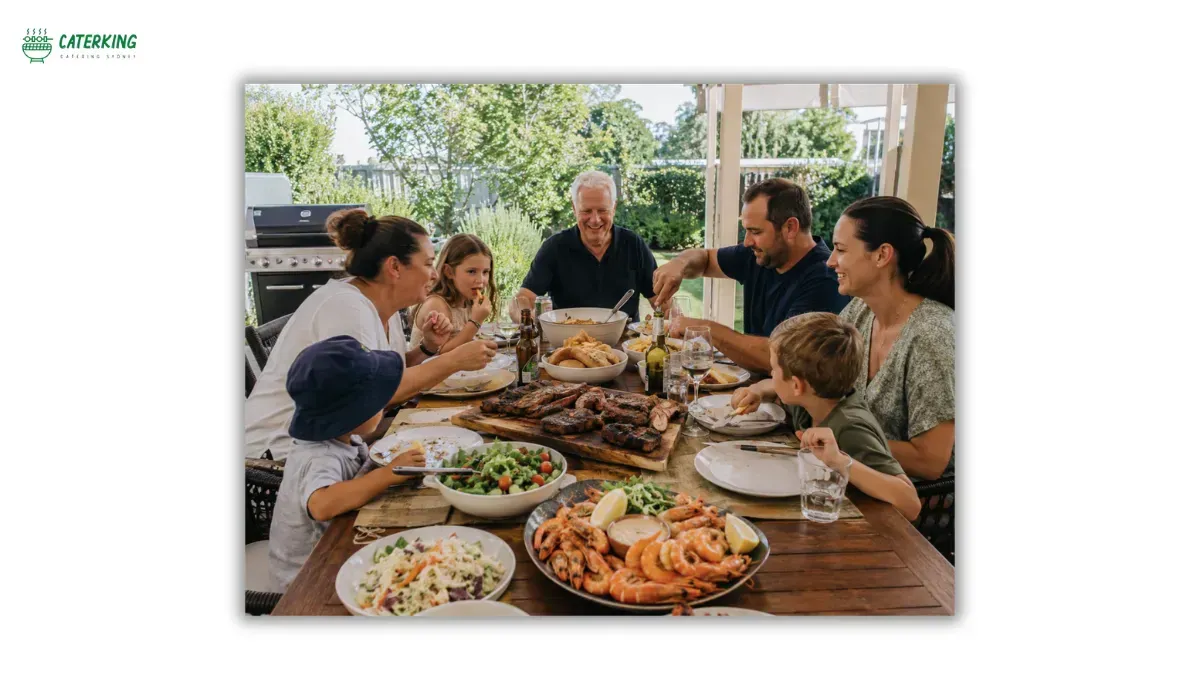
Family-style catering at a wedding is a communal dining format where large platters of food are placed at the centre of each table, and guests serve themselves and each other without leaving their seats. It sits between buffet and plated service - guests get the variety of a buffet and the seated intimacy of a plated dinner, all in one format. For couples planning a wedding in Sydney or anywhere across Australia, family-style catering delivers a relaxed, connective dining experience that feels less like a formal event and more like a feast with the people who matter most.
Why Do Couples in Australia Choose Family Style Wedding Catering?
Family style has grown significantly in popularity at Australian weddings over the past decade. According to Easy Weddings, 43% of Australian couples still choose alternate-drop plated service - but share-plate and feasting formats are closing that gap, particularly in Sydney and Melbourne, where communal dining culture is deeply embedded. The appeal comes down to three things: connection, variety, and reception flow.
Does family style catering encourage guest interaction at weddings?
Yes - and this is the most consistent feedback from both couples and guests. When platters arrive at a table, conversation starts naturally. Asking someone to pass the slow-roasted lamb or reaching for the same grilled zucchini dish creates a low-barrier social moment that formal plated service simply cannot replicate. For weddings where guests from both families are meeting for the first time, this matters considerably.
Crucially, everyone at the table eats at the same time, which means no awkward staggering of meals and no guests sitting idle while others are still waiting. The act of physically sharing food with someone - even a stranger at the table - is one of the most effective icebreakers available at a reception. Caterers and event planners consistently cite family style as the format that produces the most animated, engaged dinner atmosphere across all wedding reception types.
Is family style wedding catering better than a buffet?
For couples who want variety without the logistics of a self-serve buffet station, family style is the stronger choice. The key advantages over buffet:
- No queuing - platters come to guests, not the other way around
- Simultaneous service - all tables receive food at the same time, maintaining a cohesive reception timeline
- Better presentation - styled platters on the table photograph well and maintain the curated aesthetic of the reception
- Lower foot traffic - no guests walking between tables with plates, which can disrupt the flow of speeches or key moments
The trade-off is that family style requires wider tables (90-110cm minimum to accommodate serving platters alongside glassware and centrepieces), and food costs can run slightly higher because caterers provision without exact control over how much each guest eats. For a direct comparison of formats, see Caterking's buff
Can family style wedding catering accommodate dietary restrictions?
It can, with deliberate planning. The most effective approach is to request separately plated meals for guests with severe allergies (nut, gluten, shellfish) rather than relying on communal platters, where cross-contamination via shared serving utensils is a real risk. Guests with less severe dietary preferences - vegetarians, dairy-free, those avoiding red meat - are generally well served by a family style menu that includes diverse protein options and vegetable-forward sides.
When booking, couples should provide the caterer with a confirmed allergy list from RSVPs, and verify that allergen-specific meals will be pre-plated and delivered separately by staff. This is standard practice at professional catering operations and adds minimal cost relative to the value of keeping every guest safe and included.
What Does a Family Style Wedding Catering Menu Include?
A well-constructed family style wedding menu is built around abundance and variety - not a parade of complex single-serve dishes. The format rewards bold, shareable proteins and sides that hold heat, slice cleanly, and look generous on a platter. The best menus are designed so every course can be passed and replenished quickly without confusion or delay.
How many courses should a family style wedding reception have?
Industry caterers consistently recommend 4-5 courses for family style service:
- Pre-set first course - salads, antipasto, or a cold starter placed at tables before guests are seated, so there is food to eat immediately on arrival
- Main protein platters - 1-2 options (e.g. slow-roasted lamb shoulder + grilled barramundi)
- Side dishes - 2-3 options (e.g. roasted seasonal vegetables, potato gratin, green bean salad with almonds)
- Dessert - served family style after the table is cleared, or as individual plated sweets after speeches
One server is typically deployed for every 20 guests to manage platter delivery and ensure no table runs short. At a wedding of 150 guests across 15 tables, that means 45-60 platters going out at once for the main course alone - which is why an experienced caterer with sufficient equipment and thorough staff briefing is non-negotiable.
What dishes work best for family style wedding platters?
The best dishes for family style platters at weddings are those that hold heat for 10-15 minutes without deteriorating, can be served with a single pair of tongs or a spoon, and look visually abundant without requiring individual plating effort.
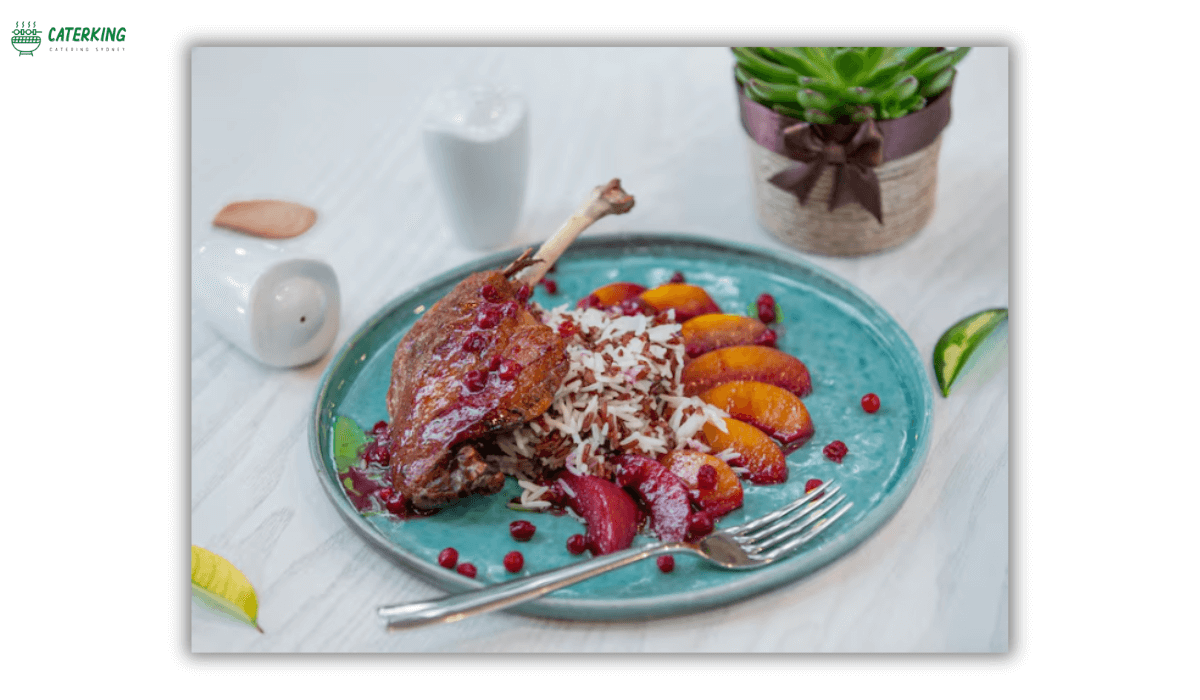
Strong performers across Australian wedding menus include slow-braised lamb shoulder (which falls apart naturally, requiring no carving skill from guests), roasted chicken thighs with preserved lemon and herbs, whole sides of Atlantic salmon, large-format pasta dishes, roasted root vegetables, and grain-based salads that stay fresh at room temperature. Room-temperature vegetable platters - grilled zucchini, charred broccolini, heirloom tomatoes - work particularly well because they eliminate heat-management pressure during service. Pre-set cold starters, including charcuterie boards and fresh salads, are arranged before guests arrive so tables feel immediately generous and welcoming.
How Much Does Family Style Wedding Catering Cost in Australia?
Family style wedding catering in Australia typically costs between $50 and $100 per person, based on current pricing from Sydney and Melbourne caterers. This positions it as more affordable than full plated service ($60-$150 per person) and slightly above basic buffet packages ($40-$80 per person).
For a wedding of 100 guests in Sydney, expect a family style catering budget of approximately $5,000-$10,000 for food and service. Additional costs to factor in include:
- Equipment hire - wider tables (90-110cm) if the venue does not stock them, plus serving platters and utensils
- Staffing - 1 server per 20 guests for platter delivery and ongoing table maintenance
- Beverage service - typically priced separately at $20-$30 per person for a standard drinks package
For a full cost breakdown covering all service styles, Caterking's wedding catering cost guide for Sydney provides current benchmarks. For 100-guest events specifically, the dedicated cost breakdown covers family style alongside buffet, plated, and food truck options. For advice on timing your booking to lock in pricing and availability, see when to book wedding catering in Sydney.
How to Plan Family Style Wedding Catering: 5 Steps
Before confirming a family style format with a caterer, work through this planning sequence to avoid the most common logistical issues.
Step 1: Confirm table dimensions at the venue. Family style requires tables at least 90cm wide - ideally 100-110cm - to accommodate 3-5 serving platters alongside place settings, glassware, and centrepieces. Standard trestle tables (75-80cm) are too narrow for this format without modification or hire.
Step 2: Build the guest allergy list before menu planning. Collect dietary requirements via RSVPs and provide the caterer with a confirmed list before menu finalisation. Severe allergies should be flagged for separately plated meals, not managed through shared platters.
Step 3: Design the menu around 4-5 shareable dishes. Select 1-2 proteins and 2-3 sides that hold well, photograph well, and suit the season. Pre-set cold starters simplify the opening of the reception. Caterking's wedding catering packages provide structured menu frameworks across budget tiers.
Step 4: Staff at a 1:20 server-to-guest ratio. Family style requires fewer staff than plated service but more than buffet. For 100 guests, budget for a minimum of 5 dedicated servers. Understaffing is one of the most common causes of cold food and uneven portion delivery across tables.
Step 5: Schedule platter service around key reception moments. Coordinate with the caterer and MC so main platter delivery does not clash with the first dance, bridal party speeches, or cake cutting. Pre-set starters before guests are seated, deliver mains after the couple's entrance, and serve dessert after key speeches are complete. A comprehensive overview of what professional service includes - from equipment to staffing - is covered in what's included in wedding catering.
FAQs About Family Style Catering for Weddings
Couples planning a reception frequently raise the same practical questions when evaluating family style as their catering format. The answers below reflect current practice from the Australian catering industry and real logistics from professional wedding caterers.
Is family style wedding catering more expensive than buffet?
Family style catering is generally slightly more expensive than buffet service in Australia - typically $50-$100 per person versus $40-$80 per person for buffet. The difference comes from two factors: food quantity and equipment. Because portion control is in the hands of guests rather than catering staff, caterers provision 10-15% more food per head than a buffet to ensure no table runs short. Family style also requires a larger volume of serving platters and utensils, adding to equipment hire costs. On the staffing side, family style is more economical than plated service - it runs at 1 server per 20 guests versus 1 per 10-12 for plated - so staffing savings partially offset the higher food and equipment spend. The net result is that family style sits comfortably between buffet and plated pricing, delivering a guest experience that competes with plated service at a more accessible price point.
How many staff does family style wedding catering require?
A professional family style reception requires 1 dedicated server per 20 guests for platter delivery and table management. For a 100-guest wedding across 10 tables, that means 5 servers handling main service, plus kitchen staff for preparation and plating. This is fewer than a plated dinner (1 per 10-12 guests) but more than a self-serve buffet. Additional staff are recommended for venues with long distances between kitchen and dining areas, or for receptions with multiple dietary requirement plates requiring individual delivery. Understaffing family style service is one of the most common planning errors - when servers are stretched, platters sit in the kitchen, food arrives cold, and guests at far tables miss full portions. A reputable caterer will specify the minimum staffing level for the guest count as a standard part of the booking process.
What table size is needed for family style wedding catering?
Tables must be at least 90cm wide - with 100-110cm being the professional standard - to run family style catering effectively. A standard wedding trestle table is often 75-80cm wide, which is too narrow to hold 3-5 serving platters alongside plates, glassware, cutlery, and centrepieces without the table becoming cluttered and impractical. Couples should confirm table width directly with the venue before committing to a family style format. If the venue only stocks narrower tables, wider options can typically be hired through the caterer or a separate equipment supplier. Wider tables also affect centrepiece sizing - floral arrangements and candles need to be lower-profile and positioned toward the ends of the table to keep the centre clear for platters. Factor this into table styling discussions early to avoid last-minute design changes close to the event date.
Can family-style wedding catering work for a large wedding?
Yes - family style catering scales to any guest count, but logistics become more demanding above 150 guests. At 20 tables, a full main course delivery requires 60-80 platters to reach tables within a tight window (ideally under 10 minutes) to ensure food is hot and consistent across the room simultaneously. This demands a well-staffed kitchen team, adequate serving equipment on standby, and experienced front-of-house coordination. For large weddings of 150+ guests, couples should discuss a coordinated platter delivery sequence with the caterer to manage timing without sacrificing food temperature. Professional caterers experienced in large-format share-plate events have established workflows for these scenarios. The key differentiator at scale is not the format itself - it is the caterer's documented experience executing family style service at volume.
Planning a family-style wedding reception in Sydney?
Contact Caterking to discuss shared-plate menus, pricing, and availability for your date.
Let Catering Sydney elevate your catering experience - Get in touch with us now!
You might also like