Summer Time Finger Foods: Fresh Catering Ideas Australia
Summer time finger foods require strategic ingredient selection, temperature management protocols, and heat-stable preparation techniques optimized for Australian outdoor events. Professional caterers implement specific planning checklists covering fresh produce procurement, food safety compliance, presentation equipment, and service timing to ensure quality maintenance across 2-4 hour outdoor service periods in temperatures exceeding 25°C. The comprehensive summer finger food checklist addresses cold preparation methodologies, hydration-rich ingredient combinations (cucumber, watermelon, citrus), and minimal dairy exposure strategies that prevent bacterial growth while maximizing guest satisfaction during garden parties, poolside functions, and corporate outdoor gatherings.
Australian catering operations differentiate summer menus through systematic checklist frameworks encompassing ingredient temperature tolerance, visual presentation standards, and dietary accommodation requirements. This structured approach ensures consistent quality delivery across wedding receptions, birthday celebrations, and business events where ambient heat conditions demand elevated food safety vigilance and menu composition adjustments compared to climate-controlled indoor service environments.
What Essential Items Belong on a Summer Time Finger Foods Planning Checklist?
Professional summer finger food planning requires systematic checklist organization across procurement, preparation, equipment, and service delivery categories. Comprehensive checklists prevent oversight of critical temperature safety protocols, dietary accommodation needs, and presentation standards that differentiate premium catering services from basic offerings.
The initial planning phase establishes event-specific parameters that drive subsequent checklist development. Caterers document guest count, service duration, outdoor venue conditions (shade availability, ambient temperature projections), dietary restrictions, and budget parameters before ingredient selection begins. This foundational information determines total piece counts (typically 12-15 pieces per guest for 3-4 hour events), equipment requirements, and staffing levels necessary for successful execution.
Core Checklist Categories:
Ingredient procurement checklists specify seasonal Australian produce selections, protein varieties with heat stability characteristics, and accompaniment items (crackers, dipping vessels, garnish components). Professional caterers source ingredients 24-48 hours pre-event, prioritizing local suppliers for peak freshness while implementing backup vendor relationships for critical items subject to seasonal availability fluctuations.
Preparation equipment checklists enumerate kitchen tools (food processors for dips, mandoline slicers for uniform vegetable cuts, bamboo skewers, portion scoops), storage containers maintaining ingredient separation, and transport vessels with temperature control capabilities. Ice production requirements receive specific attention - caterers calculate 2-3 kg crushed ice per service hour for cold item presentations, plus backup ice supplies addressing extended service scenarios.
Service equipment checklists detail presentation platforms (slate boards, bamboo boats, tiered display stands), temperature maintenance systems (ice beds, refrigerated display units, insulated platters), and guest service items (cocktail napkins, toothpicks, serving utensils). Professional operations include backup quantities for high-consumption items and replacement platters, enabling continuous fresh presentations without service interruptions.
Food safety checklists incorporate digital probe thermometers, temperature logging sheets (documenting 30-minute interval measurements), hand washing stations for outdoor venues, and waste disposal systems. Australian food safety regulations mandate specific cold holding temperatures (below 5°C) and service duration limits (2 hours maximum for potentially hazardous foods) that checklist protocols enforce through systematic monitoring.
How Should Caterers Structure an Ingredient Selection Checklist for Summer Time Finger Foods?
Ingredient selection checklists organize summer finger food components by temperature stability categories, nutritional profiles, and visual presentation contributions. Strategic categorization ensures balanced menu composition while addressing food safety requirements specific to warm-weather outdoor service.
Summer ingredient checklists begin with high-water-content produce, providing guest hydration alongside nutrition. Cucumbers (96% water content) function as serving vessels and primary ingredients, requiring 2-3 Lebanese cucumbers per 10 guests for various applications. Cherry tomatoes deliver 94% water content with concentrated sweetness, calculated at 3-4 punnets per 50 guests supporting multiple menu items. Watermelon provides 92% water content with natural sugars, requiring approximately 1 small seedless watermelon per 25 guests for skewer and salad applications.
Temperature-Stable Protein Checklist:
Smoked salmon maintains quality for 90-120 minutes at room temperature, portioned at 30-40g per guest when featured prominently or 15-20g for accent applications on cucumber rounds. Cured meats (prosciutto, salami, chorizo) resist heat degradation through salt-preservation processes, calculated at 25-30g per guest for charcuterie-style presentations. Grilled chicken requires pre-cooking, then rapid chilling, maintaining food safety when held below 5°C, portioned at 60-80g per guest for substantial skewer applications.
Hard cheeses (aged cheddar, parmesan, manchego) withstand ambient temperatures better than soft varieties, calculated at 30-40g per guest for cheese platter inclusions. Feta cheese, despite higher moisture content, functions effectively in small quantities (15-20g per guest) when paired with watermelon or incorporated into salads served from chilled presentations.
Fresh Herb and Aromatic Checklist:
Basil bunches (1 per 20 guests) provide aromatic leaves for Caprese preparations and garnish applications. Mint (1 bunch per 25 guests) contributes cooling flavor notes to fruit combinations and Vietnamese rice paper rolls. Coriander (1 bunch per 30 guests) supplies authentic Asian flavor profiles while signaling ingredient freshness. Dill (1 bunch per 40 guests) enhances Mediterranean preparations and seafood pairings through distinctive aromatic compounds.
Citrus components appear throughout summer menus - limes (1 per 5 guests) provide acidic balance in dressings and marinades, lemons (1 per 8 guests) contribute brightness to seafood and vegetable preparations. Professional caterers maintain 20% surplus on fresh herbs and citrus, accommodating garnish refresh requirements across extended service periods.
What Food Safety Checklist Items Prevent Summer Time Finger Foods Contamination?
Food safety checklists specific to summer outdoor catering address elevated contamination risks associated with ambient heat, extended service durations, and outdoor venue conditions lacking climate control infrastructure. Systematic safety protocols prevent foodborne illness while maintaining regulatory compliance with Australian food safety standards.
Temperature monitoring checklists establish measurement intervals and documentation requirements. Digital probe thermometers verify cold items remain below 5°C at 30-minute intervals throughout service, with caterers recording measurements on temperature log sheets demonstrating regulatory compliance. Hot items require verification above 60°C at identical intervals, preventing dangerous temperature zone exposure (5-60°C) where bacterial multiplication accelerates rapidly.
Cold Chain Maintenance Checklist:
Ice production schedules ensure adequate supply - professional operations calculate 3kg crushed ice per cold presentation item, refreshing ice beds every 60-90 minutes regardless of visual melt status. Backup ice storage maintains 150% of calculated requirements, accommodating unexpected service extensions or higher-than-projected ambient temperatures. Refrigerated transport maintains ingredient integrity during venue transit, with multiple temperature zones separating dairy items (0-2°C), prepared proteins (2-4°C), and fresh produce (4-7°C).
Platter rotation schedules prevent extended ambient exposure - caterers implement 90-minute maximum display durations for potentially hazardous items, replacing service platters with fresh presentations from refrigerated reserves. This staged service approach maintains continuous availability while preventing temperature abuse that compromises food safety. Items showing temperature elevation above 8°C receive immediate retirement from service regardless of remaining quantity.
Cross-Contamination Prevention Checklist:
Separate cutting boards maintain ingredient segregation - colour-coded systems designate specific boards for raw proteins (red), cooked proteins (yellow), vegetables (green), and allergen-containing items (purple). Dedicated utensils prevent allergen cross-contact, with nut-free items receiving completely separate preparation equipment and service vessels. Hand washing stations positioned at outdoor venues enable staff hygiene maintenance throughout service periods, with soap dispensers, paper towels, and waste receptacles supporting proper protocols.
Allergen labeling checklists ensure clear guest communication - professional caterers implement toothpick colour-coding systems (green for vegetarian, blue for gluten-free, red for contains nuts), enabling quick visual identification. Written menu cards detail complete ingredient lists for items containing common allergens (dairy, eggs, fish, shellfish, tree nuts, peanuts, wheat, soy), positioning cards immediately adjacent to corresponding platters.
How Do Professional Caterers Build Equipment and Presentation Checklists for Summer Events?
Equipment checklists organize essential items across temperature control systems, serving vessels, presentation platforms, and guest service components. Comprehensive equipment planning prevents operational disruptions while elevating visual presentation standards that distinguish professional catering from amateur food service.
Temperature control equipment forms the primary checklist category for summer outdoor events. Ice beds require shallow stainless steel pans (40cm x 60cm x 10cm depth) accommodating nested serving bowls, calculated at 1 pan per 2-3 cold dip presentations. Crushed ice fills pans to 8cm depth, creating thermal mass that maintains 2-4°C temperatures beneath serving vessels across 90-minute service intervals before refresh requirements.
Refrigerated Display and Transport Checklist:
Portable refrigerated units enable mechanical temperature control independent of ice supplies, particularly valuable for extended events (4+ hours) where ice refresh logistics become challenging. Professional caterers calculate 1 refrigerated display unit per 15-20 platter positions, maintaining consistent cold chain integrity across service duration. Insulated transport containers with gel ice pack compartments protect food quality during venue transit - caterers pre-chill gel packs for 24 hours pre-event, ensuring optimal thermal performance during 30-90 minute transport windows.
Refrigerated vans maintain multiple temperature zones during ingredient and prepared food transport - separate compartments accommodate 0-2°C requirements (seafood, dairy), 2-4°C specifications (prepared proteins), and 4-7°C standards (fresh produce, assembled platters). Digital temperature monitoring systems provide continuous logging, creating documentation trail supporting food safety compliance verification.
Serving Vessel and Presentation Platform Checklist:
Slate serving boards (30cm x 40cm) provide natural stone aesthetics for charcuterie arrangements and cheese presentations, calculated at 1 board per 15-20 guests for varied menu displays. Bamboo boats (various sizes: 15cm, 20cm, 30cm lengths) support individual portion presentations and sustainable serving ware commitments, estimated at 2-3 boats per guest across multiple course services. Palm leaf plates offer compostable alternatives to traditional serving ware, requiring 1.5 plates per guest accounting for sequential course presentations.
Tiered display stands create vertical presentation interest while maximizing limited buffet table space - three-tier configurations (heights: 15cm, 30cm, 45cm) accommodate 12-15 different platter positions within 1.2m table length. Professional caterers position visually striking items (colorful fruit skewers, vibrant vegetable arrangements) at eye-level tiers capturing guest attention while relegating neutral-toned items to lower levels.
Individual serving cups eliminate double-dipping concerns while enabling precise portion control - clear plastic cups (60ml capacity) present individual hummus portions with dedicated vegetable stick accompaniments, calculated at 1 cup per guest for dip-centric menu selections. This single-serve approach particularly suits corporate functions emphasizing hygiene protocols and professional presentation standards.
Moving beyond equipment selection, professional caterers must address specific preparation timing and assembly protocols that ensure optimal freshness and visual appeal throughout service duration. Understanding when to prepare each component prevents quality degradation while maximizing kitchen efficiency during pre-event production windows.
What Preparation Timing Checklist Ensures Summer Time Finger Foods Optimal Freshness?
Preparation timing checklists organize production workflows across 48-hour, 24-hour, 12-hour, 4-hour, and 2-hour pre-service intervals. Strategic scheduling prevents ingredient oxidation, textural degradation, and flavor deterioration while enabling efficient kitchen operations supporting multiple simultaneous event productions.
48-Hour Advance Preparation Checklist:
Marinades for grilled proteins develop optimal flavor complexity through extended infusion periods - chicken satay marinates 24-48 hours in coconut-lime-lemongrass combinations, beef skewers absorb herb-garlic-olive oil blends across identical timeframes. Refrigerated storage in food-grade containers prevents contamination while enabling even flavor distribution through periodic agitation. Professional caterers prepare 10% surplus marinade quantities, accounting for absorption variations and backup batch requirements.
Legume-based dips (hummus, black bean, white bean) benefit from overnight refrigeration allowing flavors to meld and intensify - tahini, garlic, and citrus compounds integrate fully across 12-24 hour rest periods. This advance preparation reduces day-of production pressure while actually improving final product quality through flavor development processes. Caterers store dips in airtight containers with plastic wrap pressed directly onto surface, preventing oxidation browning that compromises visual appeal.
24-Hour Preparation Window Checklist:
Vegetable marinades for antipasto skewers require 12-24 hour infusion periods - zucchini, capsicum, and eggplant absorb herb-olive oil combinations while developing concentrated flavors through osmotic processes. Marinated vegetables maintain superior quality compared to fresh-cut alternatives when refrigerated properly, actually improving texture through controlled moisture extraction. Professional caterers rotate vegetables every 6-8 hours during marination, ensuring even flavor distribution across all pieces.
Cheese platter arrangements benefit from advance composition enabling flavor development as aged cheeses reach room temperature - caterers assemble complete platters 12-18 hours pre-service, refrigerating assembled presentations then removing from cold storage 45-60 minutes before guest arrival. This temperature equilibration releases aromatic compounds enhancing flavor perception while maintaining food safety through strategic timing protocols.
4-Hour Pre-Service Assembly Checklist:
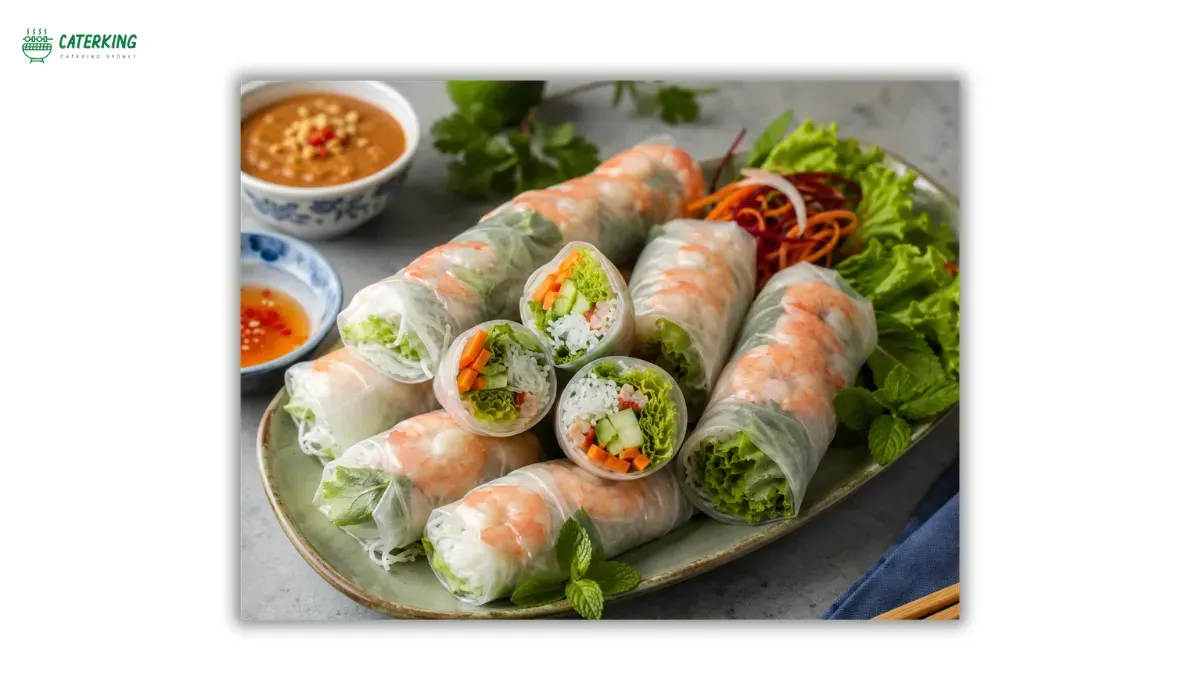
Rice paper rolls withstand refrigerated storage for 4-6 hours when protected by damp tea towels preventing wrapper dehydration. Professional caterers complete roll assembly during morning production windows for afternoon/evening events, covering completed rolls immediately with moistened clean kitchen towels then refrigerating until transport timing. This advance preparation enables sequential production avoiding last-minute assembly chaos while maintaining optimal textural characteristics.
Pinwheel wraps maintain quality for 6-8 hours refrigerated, though final slicing occurs 2-3 hours pre-service preventing filling moisture migration into tortilla wrappers. Caterers prepare complete rolls (unsliced) during morning sessions, refrigerate wrapped in plastic film, then execute final portioning during mid-day production periods supporting afternoon event service.
2-Hour Final Assembly Checklist:
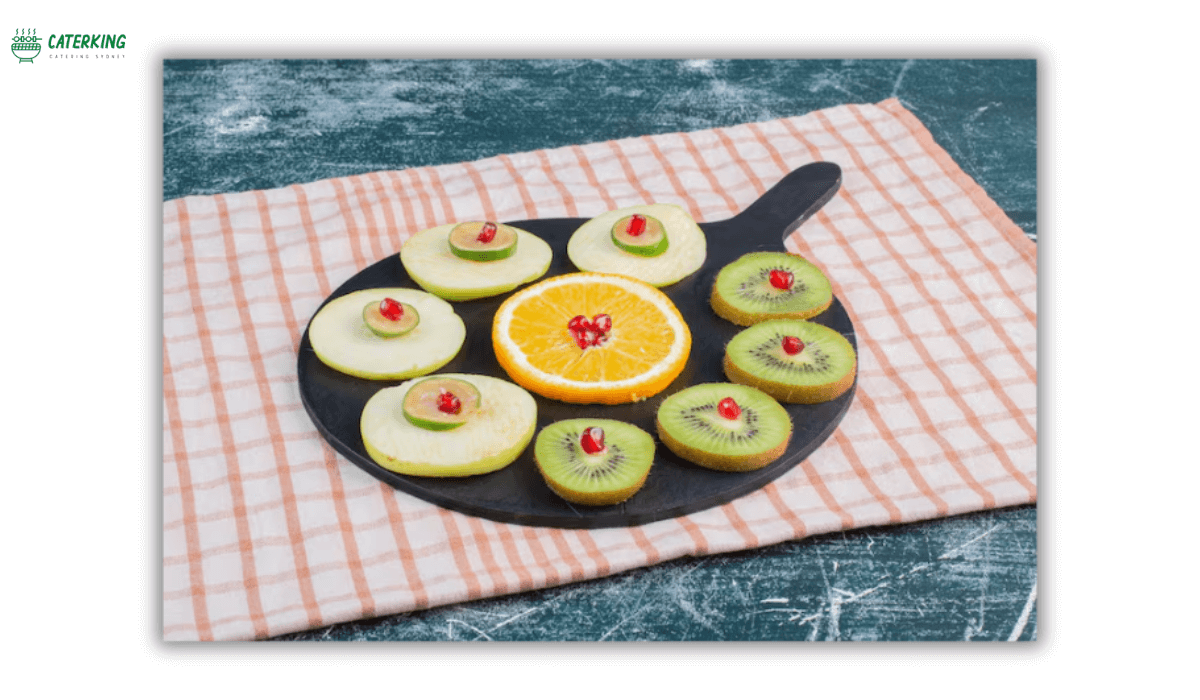
Fresh fruit platters require immediate pre-service preparation preventing oxidation browning and moisture loss - caterers complete cutting and arrangement 60-90 minutes before guest arrival, covering presentations with plastic wrap minimizing air exposure. Citrus juice sprays (lemon-water solutions) provide additional oxidation protection for susceptible fruits (apples, pears, bananas) when included in summer presentations.
Delicate seafood preparations demand final assembly within 2 hours of service - smoked salmon on cucumber rounds receives cream cheese application, microgreen garnish, and plating 90-120 minutes before event commencement. Earlier assembly risks moisture transfer from cucumber to salmon compromising textural quality and visual presentation standards expected in premium catering contexts.
Professional catering operations extend beyond kitchen preparation to encompass comprehensive service execution protocols. These systematic approaches ensure consistent quality delivery while addressing real-time operational challenges inherent in outdoor summer events.
How Should Service Execution Checklists Address Summer Time Finger Foods Quality Maintenance?
Service execution checklists coordinate staff responsibilities, timing protocols, and quality monitoring procedures throughout event duration. Systematic service management maintains presentation standards while responding to dynamic conditions (guest traffic patterns, temperature fluctuations, unexpected service extensions) characteristic of outdoor summer gatherings.
Pre-Service Setup Checklist:
Venue reconnaissance identifies optimal service station locations considering shade availability, guest traffic flow patterns, and proximity to kitchen/preparation areas. Professional caterers position cold items in maximum shade zones, utilizing venue structures (buildings, trees, marquee installations) providing natural temperature moderation. Hot item stations locate near power sources supporting heating equipment while maintaining safe distances from guest congregation areas preventing accidental contact injuries.
Table configuration follows strategic layouts maximizing visual impact while supporting operational efficiency - double-sided service arrangements enable simultaneous guest access reducing queue formation during peak service periods. Professional caterers implement 1.5m minimum table lengths per 10 platter positions, preventing overcrowding that compromises visual presentation and guest access convenience. Backup table space (20% additional capacity) accommodates platter rotation requirements as fresh presentations replace depleted items.
Service Staff Coordination Checklist:
Staff assignments designate specific responsibilities preventing operational confusion - cold item attendants monitor ice bed conditions, refresh presentations, and maintain temperature logs. Hot item staff manage chafer fuel replacement, platter replenishment, and guest service interactions. Roving attendants circulate with passed hors d'oeuvres maintaining service continuity beyond stationary buffet stations. Professional operations calculate 1 service staff per 20-25 guests for optimal coverage during cocktail-style events.
Communication protocols establish clear escalation procedures - staff identify temperature concerns, depleted ice supplies, or presentation quality issues immediately alerting event supervisors for remedial action. Backup supply locations receive clear documentation enabling rapid replacement retrieval without supervisor intervention during high-volume service periods.
Quality Monitoring Checklist:
Temperature verification proceeds at 30-minute intervals throughout service - staff probe multiple cold items per measurement cycle, documenting readings on temperature logs demonstrating regulatory compliance. Items exceeding 8°C receive immediate retirement regardless of remaining quantity, with replacement platters staging from refrigerated reserves. Hot items below 55°C similarly receive prompt replacement maintaining food safety standards across service duration.
Visual presentation monitoring identifies garnish wilting, condensation accumulation, or color degradation signaling presentation refresh requirements. Professional caterers implement 90-minute maximum display durations for most items independent of temperature readings, maintaining premium visual standards throughout event progression. Fresh garnish applications, platter rearrangements consolidating remaining items, and strategic lighting adjustments preserve presentation quality as service hours accumulate.
With systematic service execution protocols established, attention shifts to specific menu selections optimized for summer conditions. These curated finger food options combine heat stability, visual appeal, and flavor profiles aligned with warm-weather guest preferences while supporting operational efficiency across extended outdoor service periods.
What Specific Summer Time Finger Foods Items Should Appear on Catering Checklists?
Strategic menu item checklists balance guest appeal, operational feasibility, and dietary accommodation requirements across cold preparations, room temperature items, and minimal-heat selections. Professional caterers structure summer offerings around proven performers demonstrating consistent success across diverse event types and guest demographics.
Cold Preparation Checklist:
Vietnamese rice paper rolls filled with vermicelli noodles, prawns or chicken, fresh herbs (mint, coriander, basil), and julienned vegetables deliver transparent ingredient visibility supporting dietary verification. Professional caterers calculate 2-3 rolls per guest for substantial menu presence, preparing rolls in 4-6 hour advance windows with damp towel protection preventing wrapper dehydration. Sweet chilli dipping sauce accompaniment (30ml per guest) complements fresh flavors while adding visual color contrast supporting presentation aesthetics.
Smoked salmon cucumber rounds provide elegant presentations with minimal preparation complexity - Lebanese cucumber slices (1cm thickness) topped with herbed cream cheese (10g), smoked salmon ribbons (15g), and microgreen garnish create restaurant-quality finger foods. Caterers portion 3-4 pieces per guest for premium menu inclusions, assembling presentations 90-120 minutes pre-service maintaining optimal texture characteristics. Dill-infused cream cheese variations enhance flavor complexity while supporting premium positioning expectations.
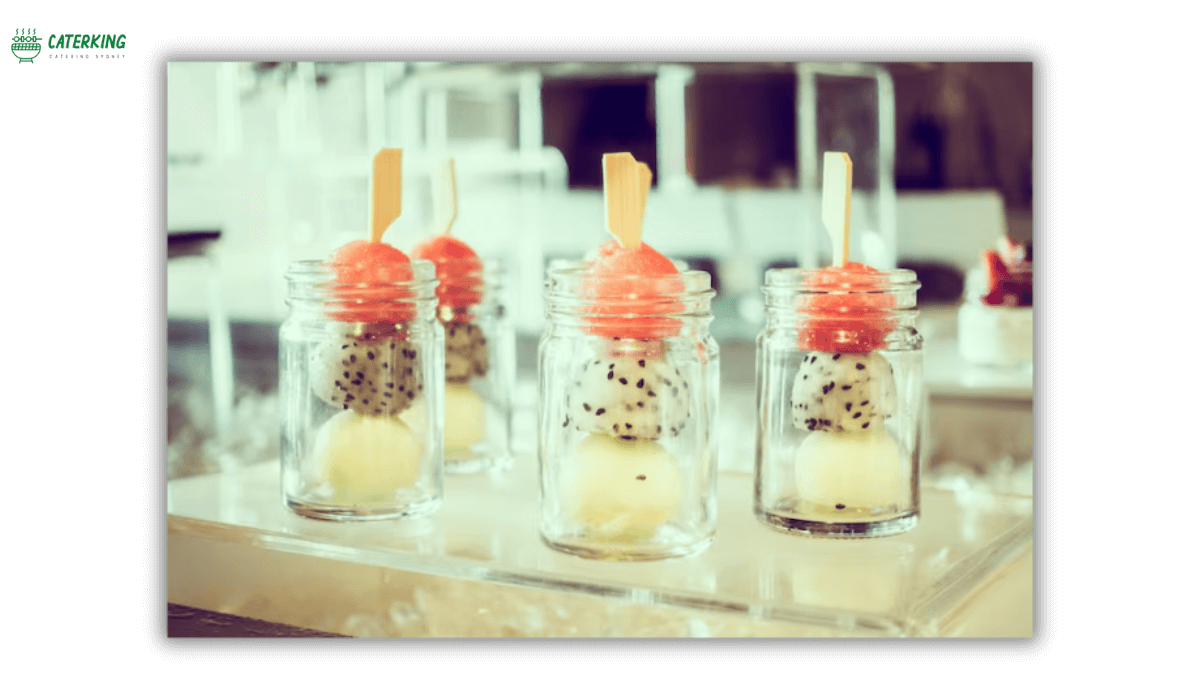
Watermelon feta skewers combine hydrating fruit with salty cheese and fresh mint creating iconic summer flavor profiles - 2.5cm watermelon cubes alternate with feta chunks (15g) and mint leaves on 15cm bamboo skewers. Professional operations calculate 2-3 skewers per guest, preparing presentations 2-3 hours advance with refrigerated storage preventing feta softening. Balsamic glaze drizzle immediately pre-service adds visual sophistication and tangy flavor accent complementing sweet-salty base combination.
Room Temperature Checklist:
Caprese skewers maintain quality at ambient temperatures for 90-120 minutes - cherry tomatoes, bocconcini mozzarella (15g), and basil leaves thread onto skewers with balsamic glaze finishing. This Italian-inspired preparation appeals across demographic ranges while accommodating vegetarian requirements, calculated at 3-4 skewers per guest for popular menu inclusions. Professional caterers maintain mozzarella at cool room temperature (18-20°C) rather than refrigeration, optimizing flavor expression and textural characteristics.
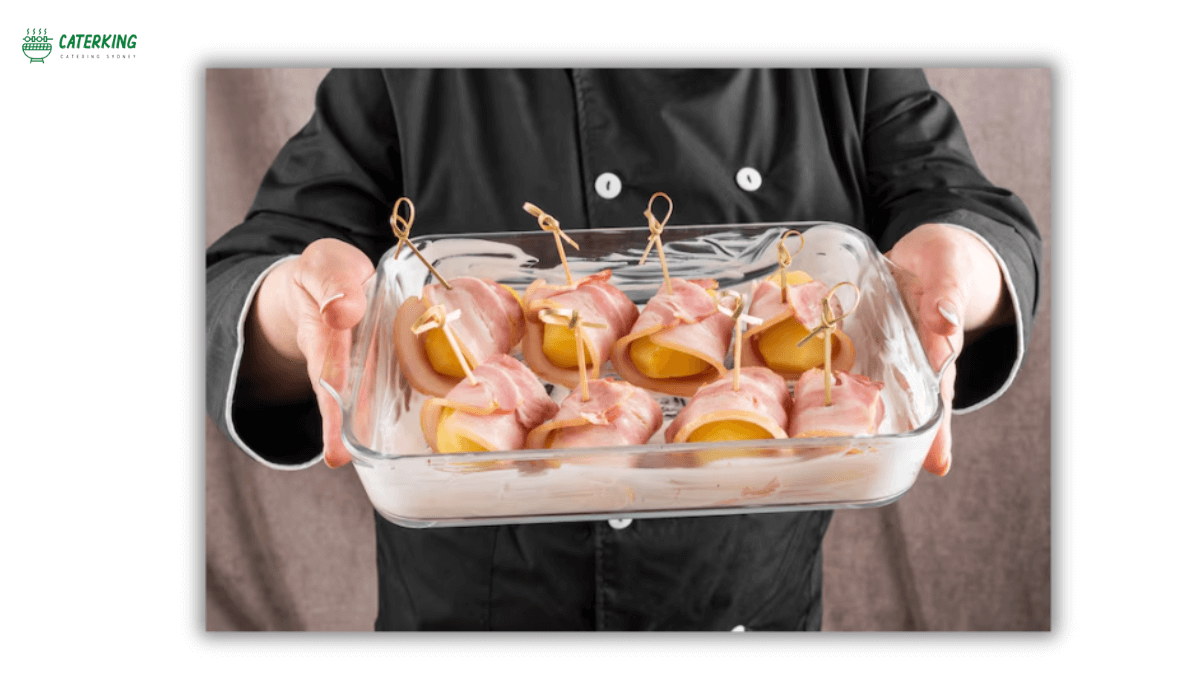
Prosciutto-wrapped items leverage cured meat's heat stability - asparagus spears (blanched then chilled), melon wedges, or grissini breadsticks wrapped in prosciutto deliver elegant presentations with simple preparation requirements. Caterers portion 2-3 wrapped items per guest, preparing presentations 2-4 hours advance with refrigerated storage then ambient display during service. The salt-curing process preserves prosciutto quality across 2-3 hour room temperature exposure supporting extended service scenarios.
Antipasto skewers combine marinated artichokes, olives, cherry tomatoes, salami, and tortellini creating substantial Italian-themed offerings - 20cm bamboo skewers accommodate 5-6 component pieces delivering satisfying portion sizes. Professional operations calculate 2-3 skewers per guest for hearty menu compositions, preparing presentations 12-24 hours advance enabling marinade flavor development. Room temperature service actually enhances flavor expression compared to chilled alternatives, with oil-based marinades remaining fluid rather than solidifying.
Minimal-Heat Selections for Catering Menus:
Grilled chicken satay skewers deliver familiar Southeast Asian flavors through peanut-based dipping sauce accompaniments - 80g chicken portions marinated in coconut-lime combinations then grilled and chilled support professional presentation standards. Caterers calculate 2-3 skewers per guest for protein-forward menu compositions, maintaining presentations on ice beds during service preserving food safety compliance. Peanut satay sauce (40ml per guest) serves from room temperature vessels, eliminating heating equipment requirements while delivering authentic flavor profiles.
Arancini balls (Italian risotto fritters) provide warm finger food options when served fresh from kitchen production rather than extended buffet display - 40g portions deliver satisfying textures with crispy exteriors and creamy interiors. Professional caterers prepare arancini during final 60-90 minute pre-service windows, maintaining presentations in warming chafers at 60-65°C for 90-120 minute service periods. Traditional flavoring variations (mushroom, pesto, bolognese) accommodate diverse taste preferences while supporting vegetarian options through strategic filling selections.
Transitioning from specific menu items, professional caterers must address comprehensive dietary accommodation checklists ensuring inclusive menu compositions. These systematic approaches prevent guest exclusion while demonstrating cultural sensitivity and regulatory compliance across increasingly diverse Australian event demographics.
What Dietary Accommodation Checklist Items Support Inclusive Summer Finger Food Menus?
Dietary accommodation checklists identify menu items addressing religious requirements, medical restrictions, ethical choices, and lifestyle preferences characteristic of contemporary Australian event demographics. Comprehensive inclusion strategies prevent guest alienation while demonstrating professional catering competency across diverse cultural contexts.
Allergen Management Checklist:
Gluten-free alternatives replace wheat-based components throughout menu compositions - rice crackers substitute traditional wheat crackers for cheese presentations, corn chips replace flour tortillas for dip accompaniments, and rice paper rolls provide naturally gluten-free substantial options. Professional caterers calculate 30-40% gluten-free item representation across total menu selections, exceeding actual gluten-intolerant population percentages (approximately 1% medical celiac diagnosis, 6% non-celiac gluten sensitivity) ensuring adequate availability throughout service duration.
Dairy-free preparations utilize coconut-based alternatives (coconut cream, coconut yogurt), cashew cream substitutions, or complete dairy elimination from specific menu items. Vegetable-forward preparations (crudité platters, fruit skewers, grilled vegetable antipasto) inherently exclude dairy supporting multiple dietary requirements simultaneously. Professional operations clearly label all dairy-free items preventing guest confusion while enabling confident selection by lactose-intolerant or vegan attendees.
Nut allergies demand complete ingredient declaration and rigorous cross-contamination prevention - separate preparation equipment, dedicated storage areas, and distinct service vessels prevent nut protein transfer to declared nut-free items. Satay items containing peanut sauce require physical separation from nut-free menu selections, with minimum 1.5m buffer distances between service stations and prominent allergen warnings on menu cards. Professional caterers implement toothpick colour-coding systems (red picks designate nut-containing items) enabling rapid visual identification across buffet presentations.
Religious and Cultural Dietary Checklist:
Halal compliance addresses Australian Muslim demographic requirements (approximately 2.6% national population) through certified protein sourcing and preparation protocols. Halal-certified chicken, lamb, and beef receive separate cutting boards, utensils, and preparation areas preventing cross-contamination with non-halal products. Professional caterers source proteins from certified suppliers (Australian Halal Authority approved), maintaining documentation supporting religious compliance verification by event hosts and guests.
Kosher requirements, while less prevalent than halal needs in Australian contexts, receive accommodation through vegetarian and pescatarian menu selections avoiding meat-dairy combinations prohibited under kashrut dietary laws. Fish-based items (smoked salmon preparations) and completely vegetarian options (hummus platters, vegetable skewers) provide kosher-friendly alternatives requiring no specialized certification while supporting Jewish guest participation.
Vegan selections exclude all animal products including honey, gelatin, and animal-derived food colorings often overlooked in conventional menu planning - professional caterers verify ingredient sources for seemingly plant-based items (some balsamic vinegars contain animal products, certain wine-based reductions use animal-derived fining agents). Clear vegan labeling prevents inadvertent consumption while supporting ethical eating commitments increasingly prevalent across younger Australian demographics.
Medical Dietary Restriction Checklist:
Low-sodium options accommodate cardiovascular health requirements and hypertension management - fresh vegetable preparations without added salt, fruit-based items leveraging natural sugars, and minimal seasoning applications support medical dietary restrictions. Professional caterers prepare 15-20% menu items specifically addressing low-sodium requirements, positioning these selections prominently supporting guest identification.
Diabetic-friendly items emphasize complex carbohydrates, protein-rich preparations, and limited simple sugar content - vegetable-based options, protein skewers, and cheese presentations provide stable blood sugar impact compared to fruit-heavy or refined carbohydrate alternatives. Professional operations avoid honey-based glazes, sugary sauces, and high-glycemic index components in designated diabetic-friendly selections, enabling confident consumption by glucose-monitoring guests.
Low-FODMAP requirements address irritable bowel syndrome and digestive sensitivities - specific vegetable selections (cucumber, carrots, zucchini) avoid high-FODMAP alternatives (onions, garlic, mushrooms) in designated menu items. Professional caterers maintain ingredient documentation enabling specific FODMAP content verification when requested by guests managing digestive health conditions through dietary interventions.
The comprehensive approach to summer finger food catering extends beyond menu selection and dietary accommodation to encompass systematic planning frameworks. Professional caterers integrate all checklist categories into cohesive operational protocols supporting consistent quality delivery across diverse event contexts and challenging outdoor service environments.
FAQs about Summer Time Finger Foods
Below are common questions Australian event planners ask when developing summer finger food menus and implementing professional catering checklists for outdoor gatherings.
How Many Different Summer Time Finger Foods Should Appear on Event Menus?
Professional caterers recommend 8-10 different finger food varieties for 2-hour cocktail events serving 50-100 guests. This diversity ensures flavor variety, dietary accommodation, and visual interest while preventing operational complexity. Events exceeding 3 hours benefit from 12-15 selections supporting extended grazing patterns. Menu composition balances cold items (50-60%), room temperature selections (25-30%), and minimal-heat options (15-20%) optimizing summer service conditions.
What Budget Range Supports Quality Summer Time Finger Foods Catering in Sydney?
Quality finger food catering in Sydney ranges from $25-$45 per person for standard offerings to $50-$80 per person for premium selections. Budget allocations covering $35-$50 per guest deliver professional presentations with diverse menu selections, fresh seasonal ingredients, and proper temperature control equipment. Corporate event catering typically allocates higher per-person budgets supporting elevated presentation standards and comprehensive service protocols.
How Far in Advance Should Summer Finger Food Catering Be Booked?
Summer represents peak catering season in Australia - professional services recommend booking 8-12 weeks advance for wedding catering and major events. Corporate functions and birthday parties require 4-6 weeks notice ensuring menu customization and equipment availability. December-February periods demand earliest possible booking as premium caterers reach capacity 3-4 months prior to peak summer weekends.
Which Summer Finger Foods Work Best for Children's Birthday Parties?
Kids party catering emphasizes familiar flavors and simple presentations - mini sausage rolls, cheese and crackers, fruit skewers, and vegetable sticks with dip appeal to young palates. Avoid complex flavor combinations, spicy elements, and unfamiliar ingredients that reduce consumption rates. Professional caterers calculate 6-8 pieces per child for 2-hour parties, structuring menus with 70% familiar items and 30% adventurous selections supporting varied taste preferences.
How Do Summer Finger Foods Differ from Breakfast Catering Requirements?
Summer finger foods emphasize cold preparations, hydration-rich ingredients, and minimal dairy exposure compared to breakfast catering featuring warm pastries, hot proteins, and dairy-heavy items. Service timing differs significantly - breakfast catering concentrates delivery within compressed morning windows while summer events extend across afternoon/evening periods requiring sustained quality maintenance. Temperature stability drives ingredient selection variations between service contexts.
What Backup Plans Should Summer Outdoor Event Checklists Include?
Comprehensive outdoor event checklists incorporate weather contingency protocols - marquee rental contacts, indoor venue backup arrangements, and rain date coordination with caterers and vendors. Equipment redundancy addresses operational failures - backup refrigeration units, additional ice supplies (150% calculated requirements), and duplicate serving vessels prevent service disruptions. Professional caterers maintain last-minute catering capacity supporting unexpected guest count increases or extended service duration requests.
How Should Summer Finger Food Checklists Address Vegetarian Catering Requirements?
Professional vegetarian menus require 40-50% total menu composition supporting increasing plant-based dietary preferences across Australian demographics. Vegetarian checklists specify protein-rich alternatives (legume-based dips, cheese selections, egg-based items), preventing nutritional deficiency concerns during events, replacing formal meals. Menu labeling clearly identifies vegetarian option,s preventing guest confusion while supporting confident selection by vegetarians, vegans, and flexitarian attendees exploring plant-based options.
Let Catering Sydney elevate your catering experience - Get in touch with us now!
You might also like